Category Archives: Edinburgh Poetry Tours

A second Edinburgh Alphabet (R-Z)

Back in 2017 I posted an A-Z of Edinburgh poetry. This summer I thought I’d do another, so in the run-up to this year’s Fringe poetry walks I started posting on instagram and Facebook. This post summarises the last letters; click through if you want to the posts for A-H and I-Q.
R is for Ransford
S is for Snow
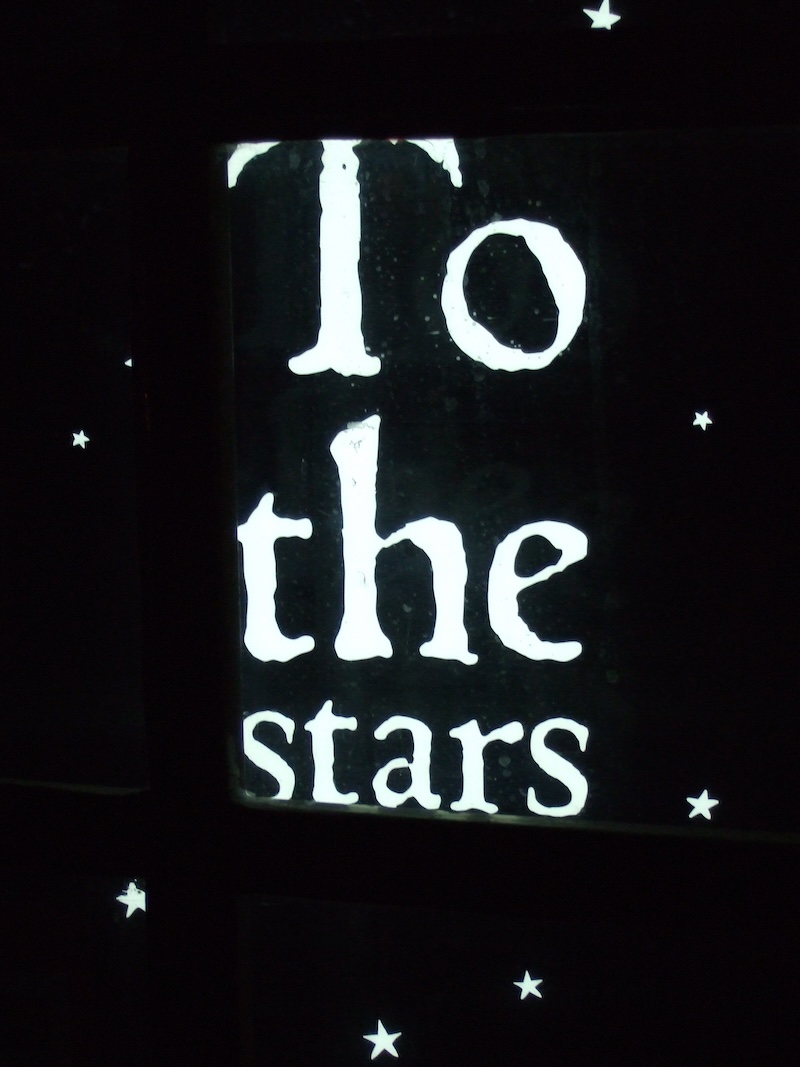
T is for To / two / Time
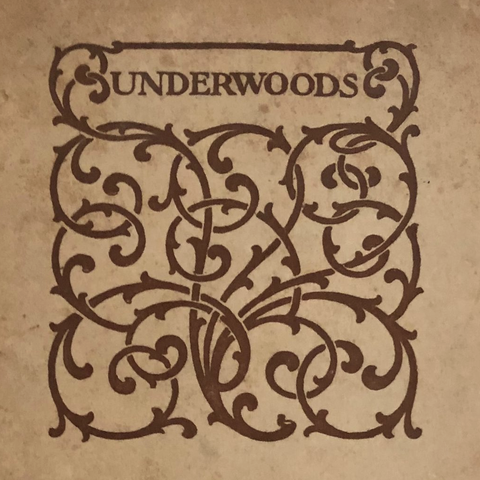
U is for Underwoods
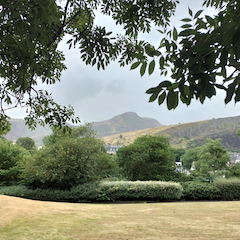
V is for Views and Vistas
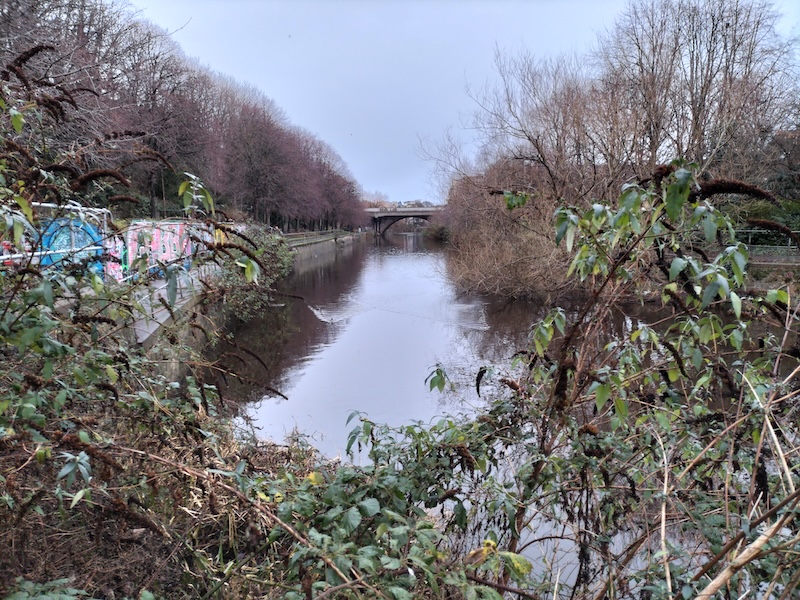
W is for Water of Leith
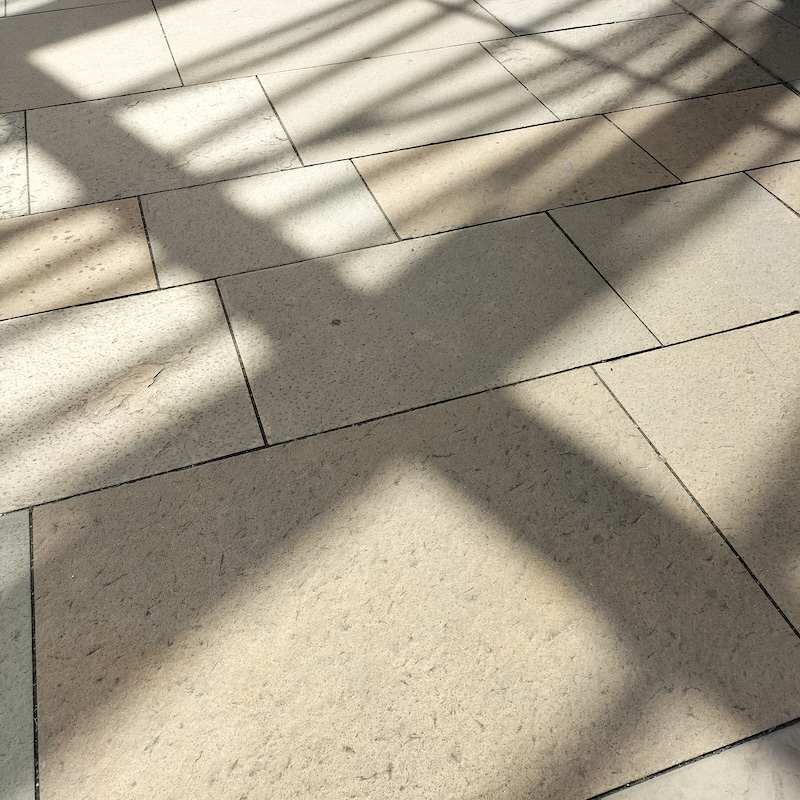
X is for a crisscross shadow
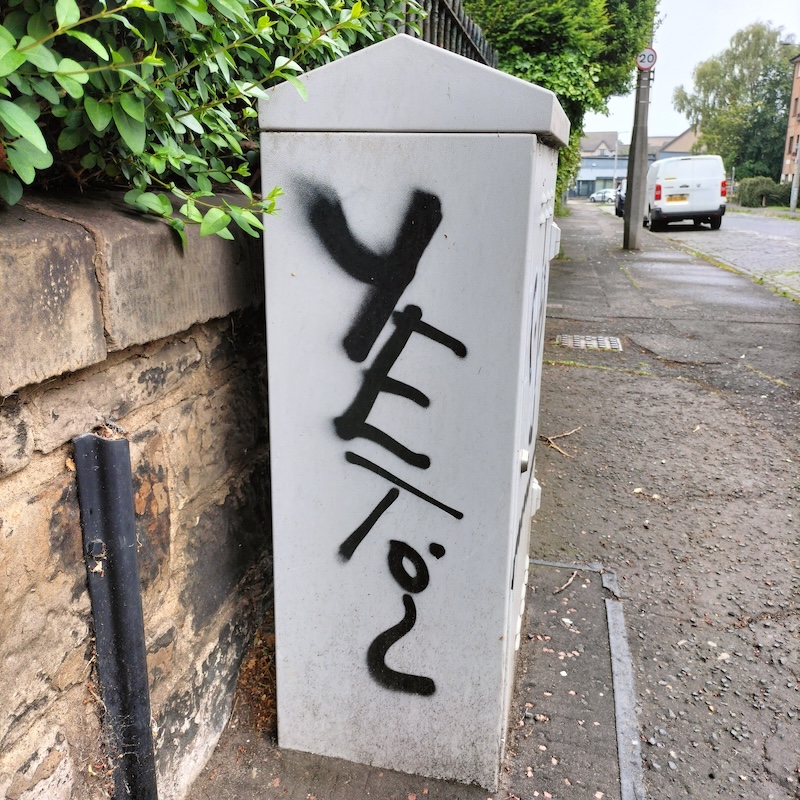
Y is for Yet
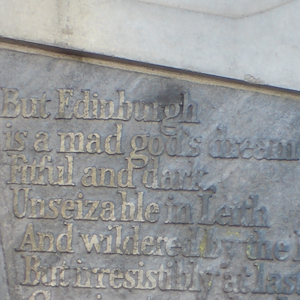
Z is for unseiZable

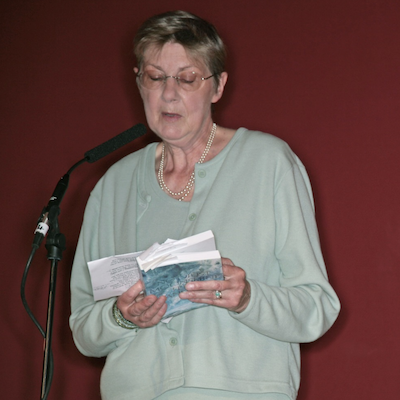
Tessa Ransford was a poet and founder of the Scottish Poetry Library. She was its its first Director from 1984-1999.
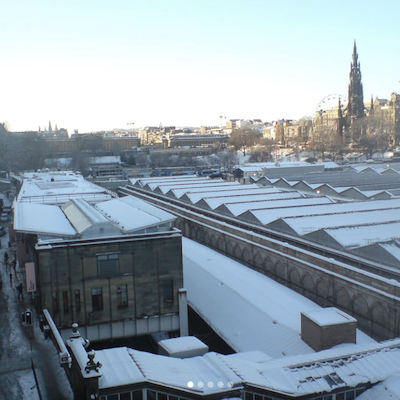
S is for Snow. The photos are from the chill winter of 2010-11.
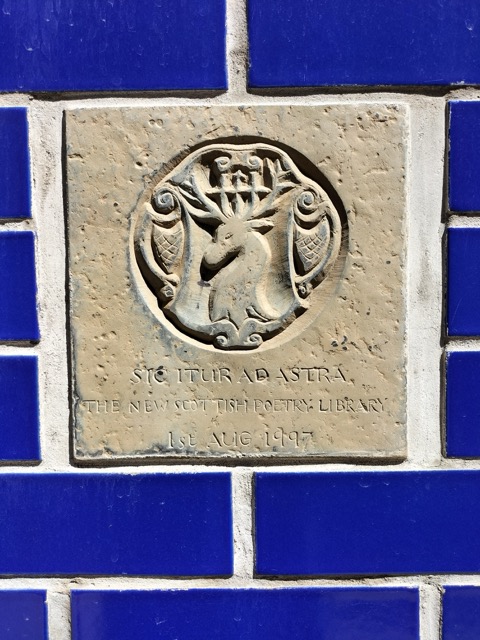
To the stars’: The Canongate’s historic motto is sic itur ad astra from Virgil’s Aeneid. In his Chronicles of the Canongate, Sir Walter Scott translated the motto as ‘this is the path to heaven’ and it is elsewhere rendered as ‘thereby shall we go to the stars.’

Underwoods, an 1887 book of poems by Robert Louis Stevenson, borrowed its title from Ben Jonson, whose own ‘Underwoods’ gathered ‘lesser poems of later growth’, which, according to the critic (and RLS’s friend) Edmond Gosse, had sprung up ‘between the more massive timber of his plays’.
V is for Views or Vistas; here, Arthur’s Seat seen from Regent Road Park.
The Water of Leith, Edinburgh’s modest river, skirts the centre; here is a stretch not far from its mouth at Leith.

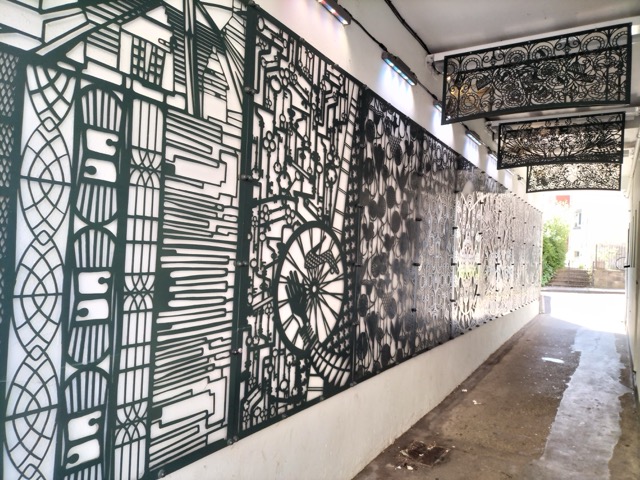
This X appeared outside the Scottish parliament building yesterday: a monochrome Saltire, a vote, a marking of the spot, a Muskless redemption.
Y is for YET, a graffiti tag followed by lines from poems relating to the Old Town which happen to contain the word.
I picked out the Z in a MacDiarmid poem, ‘Edinburgh’, inscribed on the Canongate Wall at the Scottish parliament building, which includes the lines ‘But Edinburgh is a mad god’s dream, / Fitful and dark, / Unseizable in Leith / and wildered by the Forth’.
A second Edinburgh Alphabet (I-Q)

Back in 2017 I posted an A-Z of Edinburgh poetry. This summer I thought I’d do another, so in the run-up to this year’s Fringe poetry walks I’ve started posting on instagram and Facebook. Thus far I’ve done A-Q; you can find I-Q outlined below, and A-H in an earlier post here.

I is for Iain Crichton Smith
J is for Jacob’s Ladder
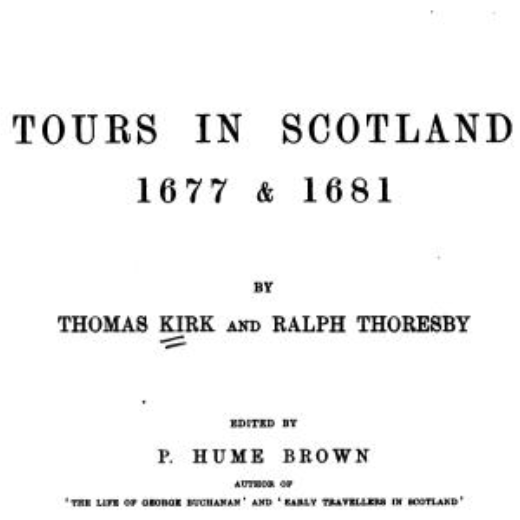
K is for Kirk, Thomas
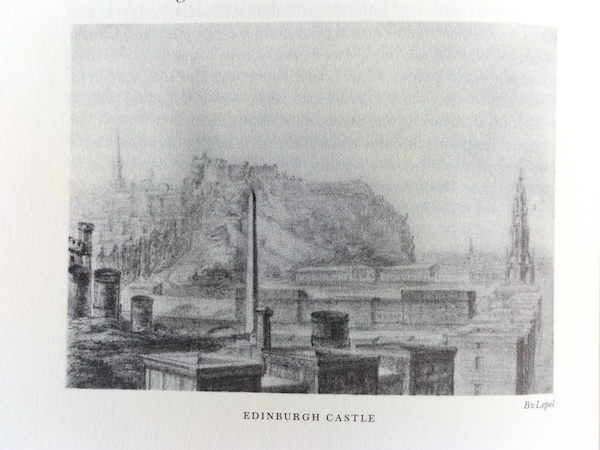
L is for Lepel, Benhard von
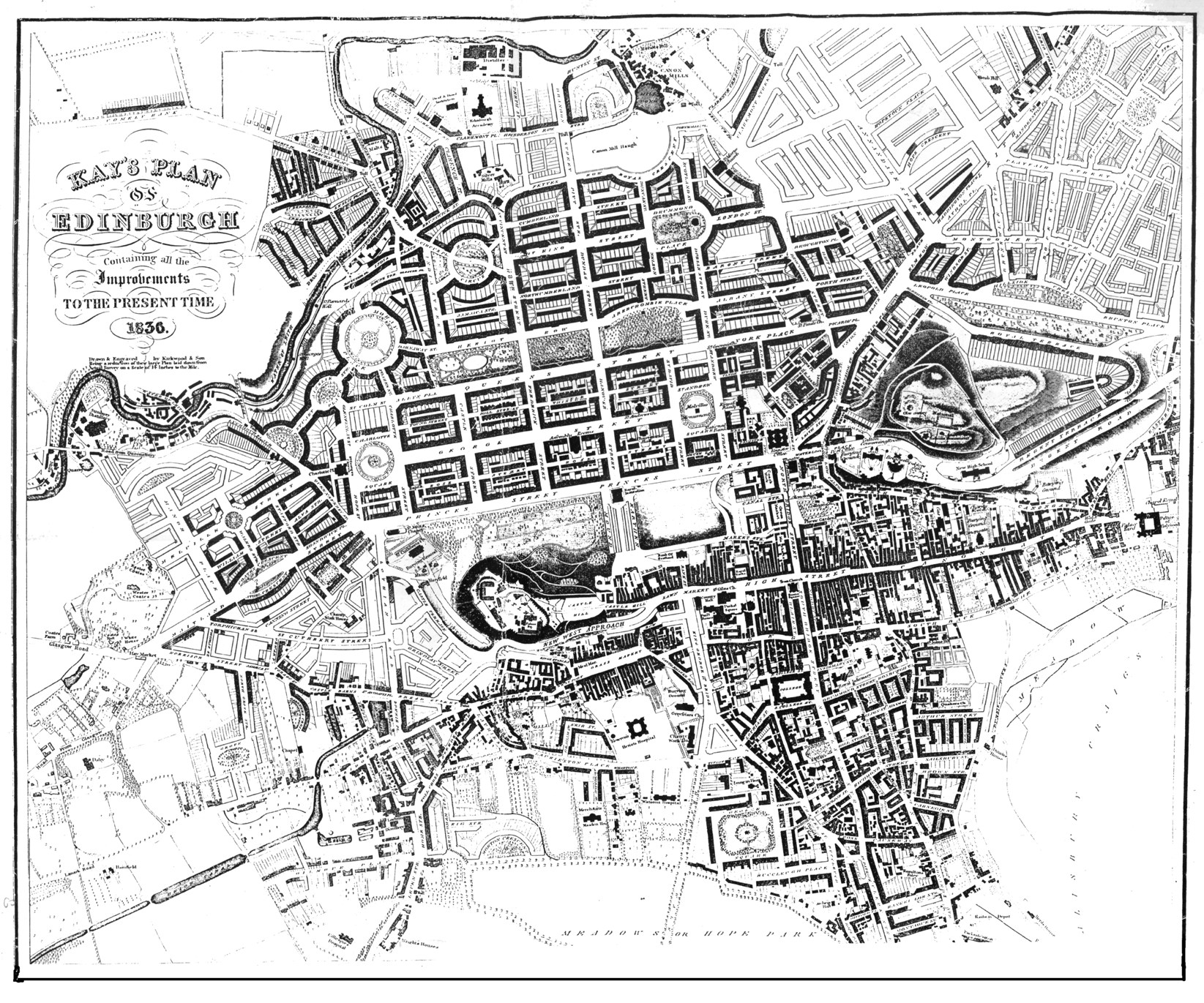
M is for Maps
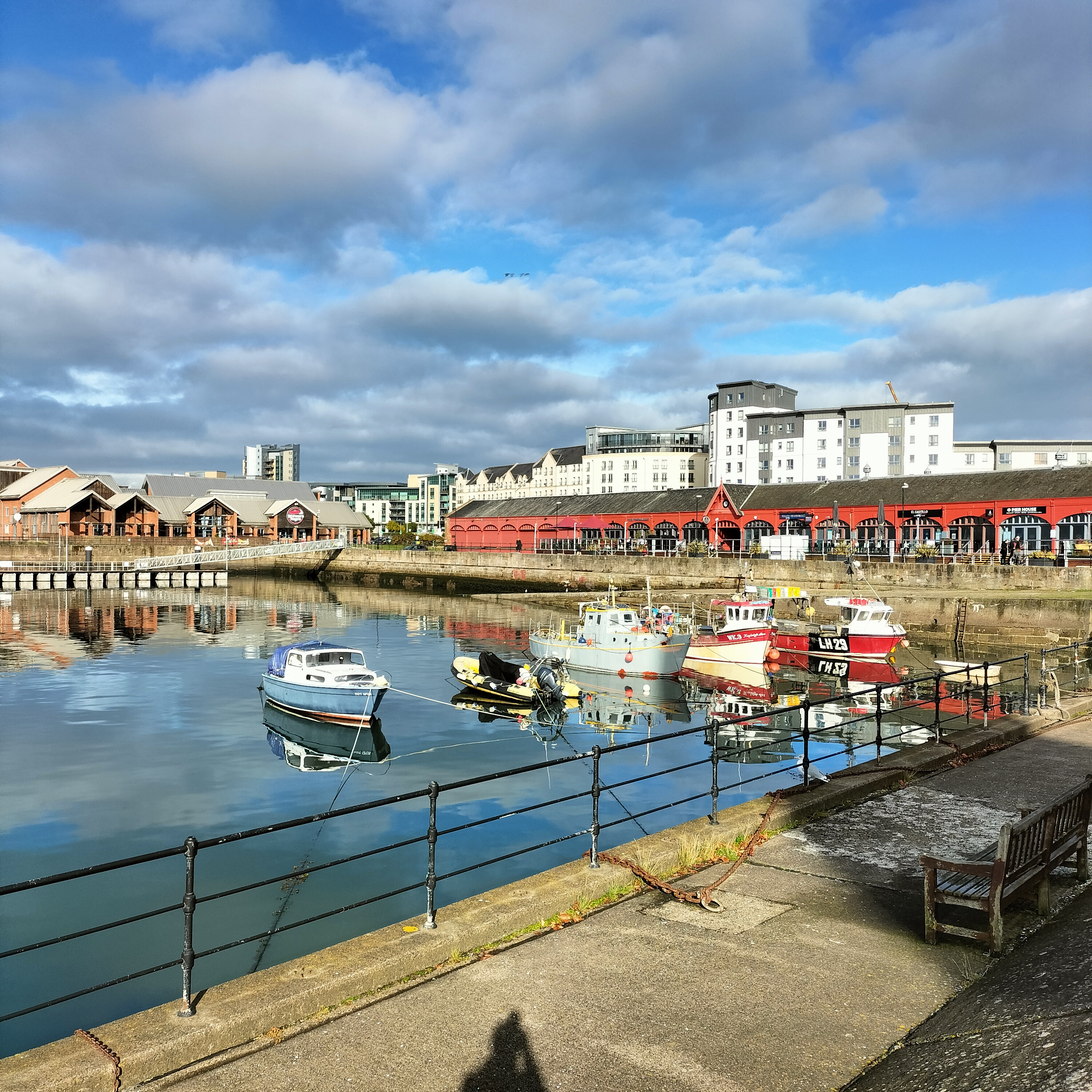
N is for Newhaven
O is for Outlander, Otway & Orphan
P is for Paolozzi
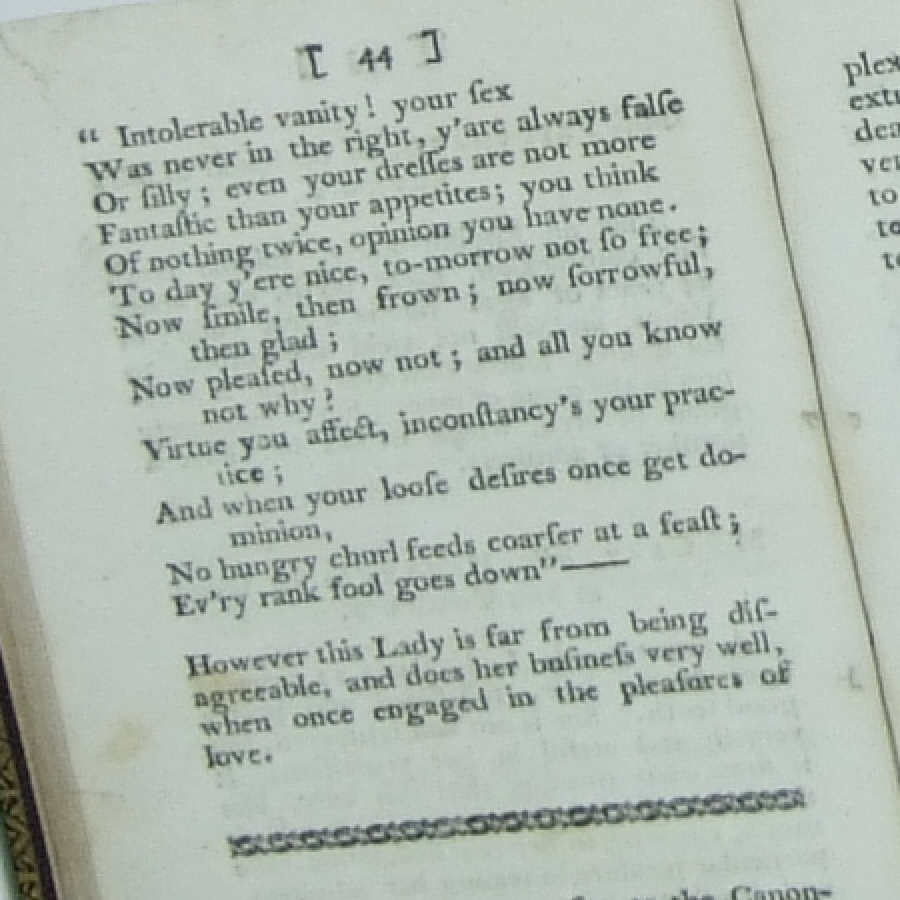
Q is for Quincey, Thomas De

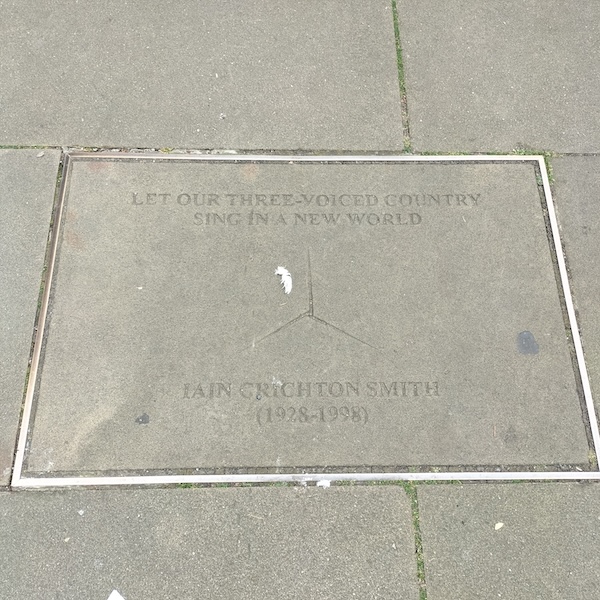
Iain Crichton Smith, from Lewis, and living much of his life in Argyll, wrote about Edinburgh, not always flatteringly. The image above shows an inscription in Makars Court: ‘Let our three-voiced country / Sing in a new world’ – from a poem read at the opening of the Scottish parliament in 1999.
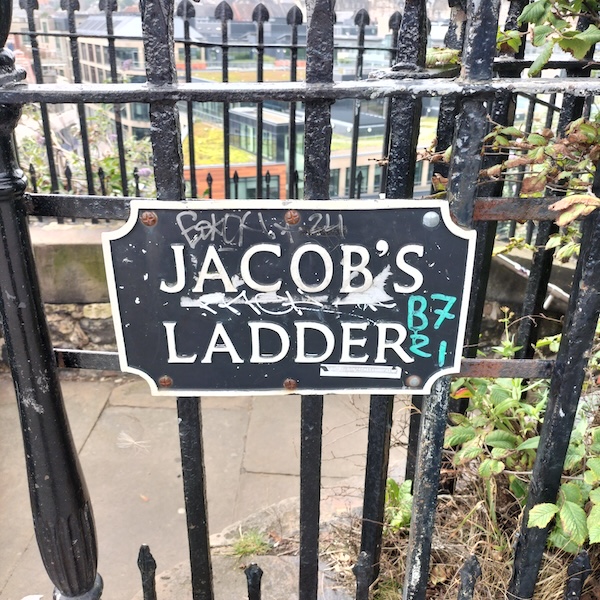
Jacob’s Ladder runs up steeply from the gloom of an overhead railway bridge on Calton Road to the open vistas of Regent Road.
Thomas Kirk was a Yorkshireman who kept a journal of a tour of Scotland made 1677. On May 29th he describes the pretty wild celebrations on the anniversary of Charles II’s restoration – a volatile mix of wine and gunpowder.

Bernhard von Lepel travelled to Scotland with Theodor Fontane in 1858. Fontane’s travel book Jenseits des Tweeds (Beyond the Tweed) appeared in 1860. A English edition features drawings made by von Lepel on their travels.
This map dates from 1836, when the grid of the New Town has extended the city to the north.
Newhaven is a former fishing village north of the city centre, between Leith and Granton.

Otway‘s play The Orphan is quoted in a court of Bakehouse Close, one of the locations for the tv series Outlander.
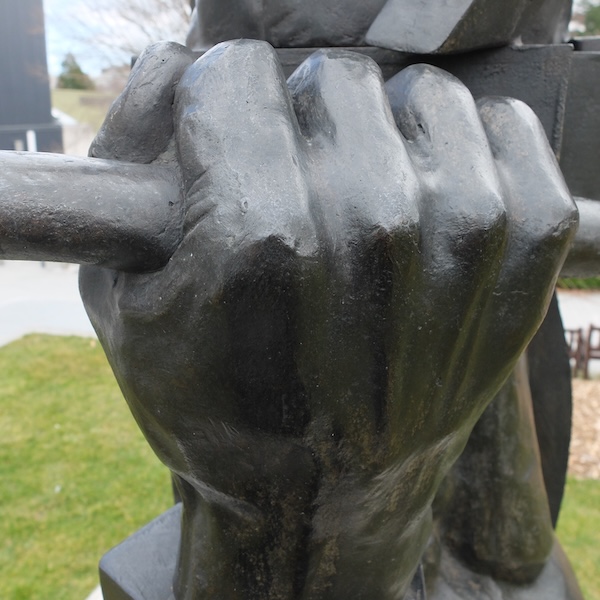
The artist Eduardo Paolozzi was born in Leith to Italian parents. Technology, science and pop culture became central to his work, and as his reputation spread he received an increasing number of public commissions, including several in Edinburgh. The hand is from Egeria, University of Edinburgh, Kings Building.
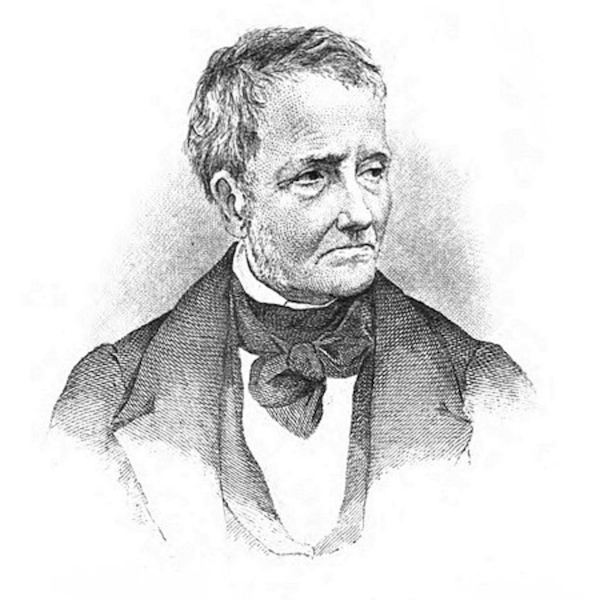
Thomas De Quincey, best know for Confessions of an English Opium-Eater, lived for many years in Edinburgh. For some time he lived in New Town grand surroundings, but unpaid debts meant he took advantage of the debtors’ sanctuary at Holyrood.

A second Edinburgh Alphabet (A-H)

Back in 2017 I posted an A-Z of Edinburgh poetry. This summer I thought I’d do another, so in the run-up to this year’s Fringe poetry walks I’ve started posting on instagram and Facebook. Thus far I’ve done A-H.

A is for the Adam Dome
B is for Bookshelf
C is for Connelly, & Cowgate
D is for Deacon Brodie
E is for Edinburgh etc
F is for Fringe
G is for Gododdin
H is for Hedrich

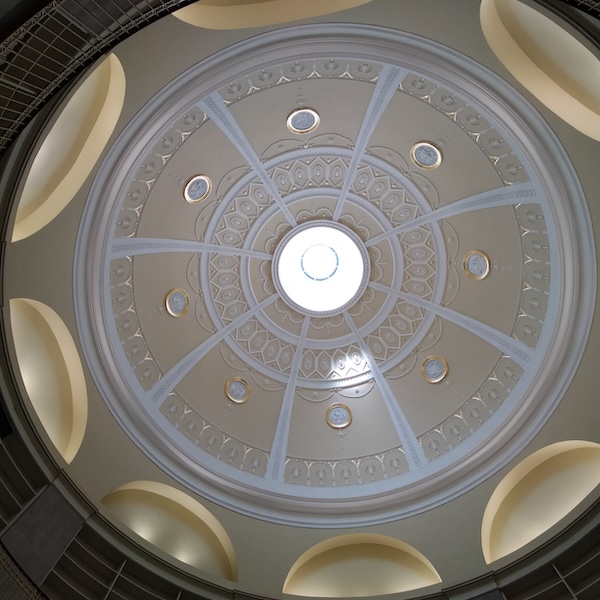
The Adam Dome is the spendid though somewhat redundant centrepiece of General Register House; ‘An elaborate theatre… an exquisite void.’
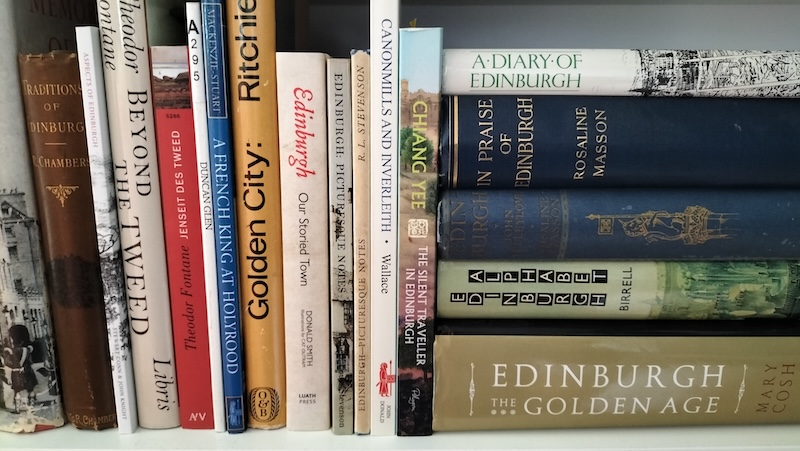
The Bookshelf shows some of the books about Edinburgh I’ve referred to regularly or occasionally to inform the poetry walks. Many of them were published and / or printed in Edinburgh too.
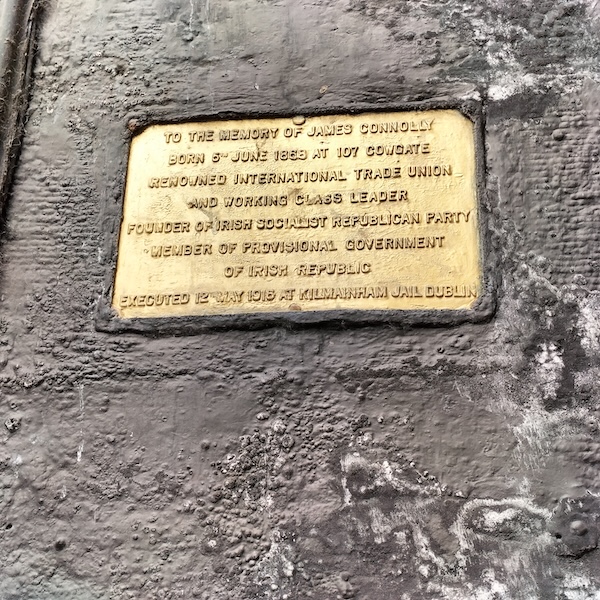
James Connolly was born in 1868 in Edinburgh’s Cowgate, and died (by firing squad) in Dublin in 1916, following the Easter Rising.

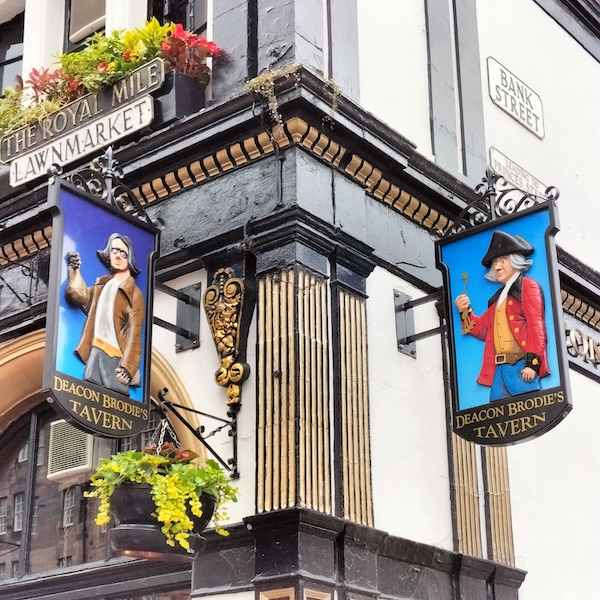
William ‘Deacon’ Brodie’s ‘cunning and audacity were unsurpassed’. On the Lawnmarket a pub is named after him, and he is said to be one of the models for Stevenson’s Jekyll and Hyde.
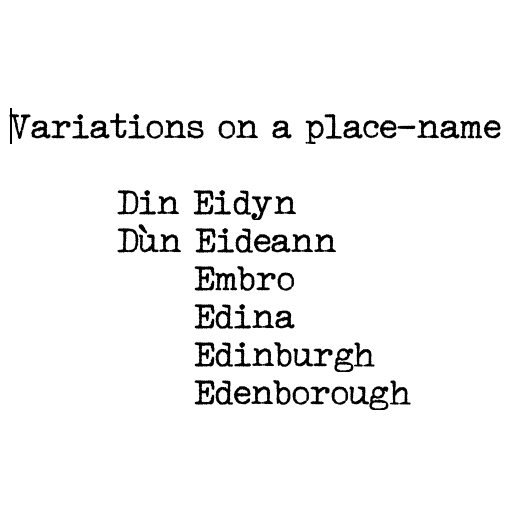
Edinburgh… and other names it has been known by over the centuries by speakers of Brittonic (Old Welsh), Gaelic, Latin, Scots and English.
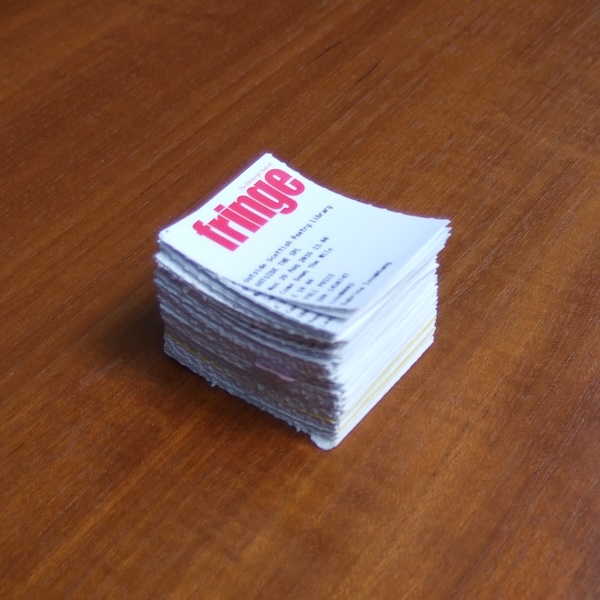
Some photos from Edinburgh Festival Fringes past, including these ticket stubs … remember them?

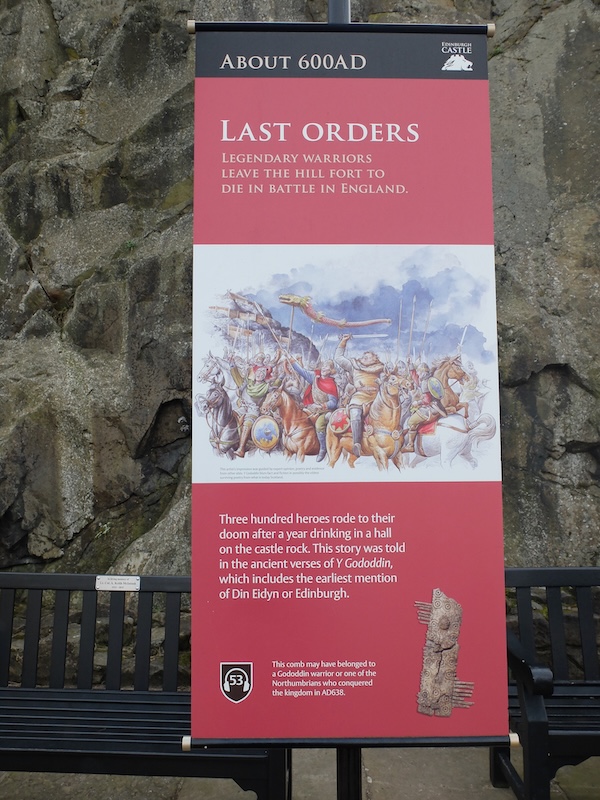
Gododdin were the one time residents of what’s now Edinburgh Castle. It didn’t end well…
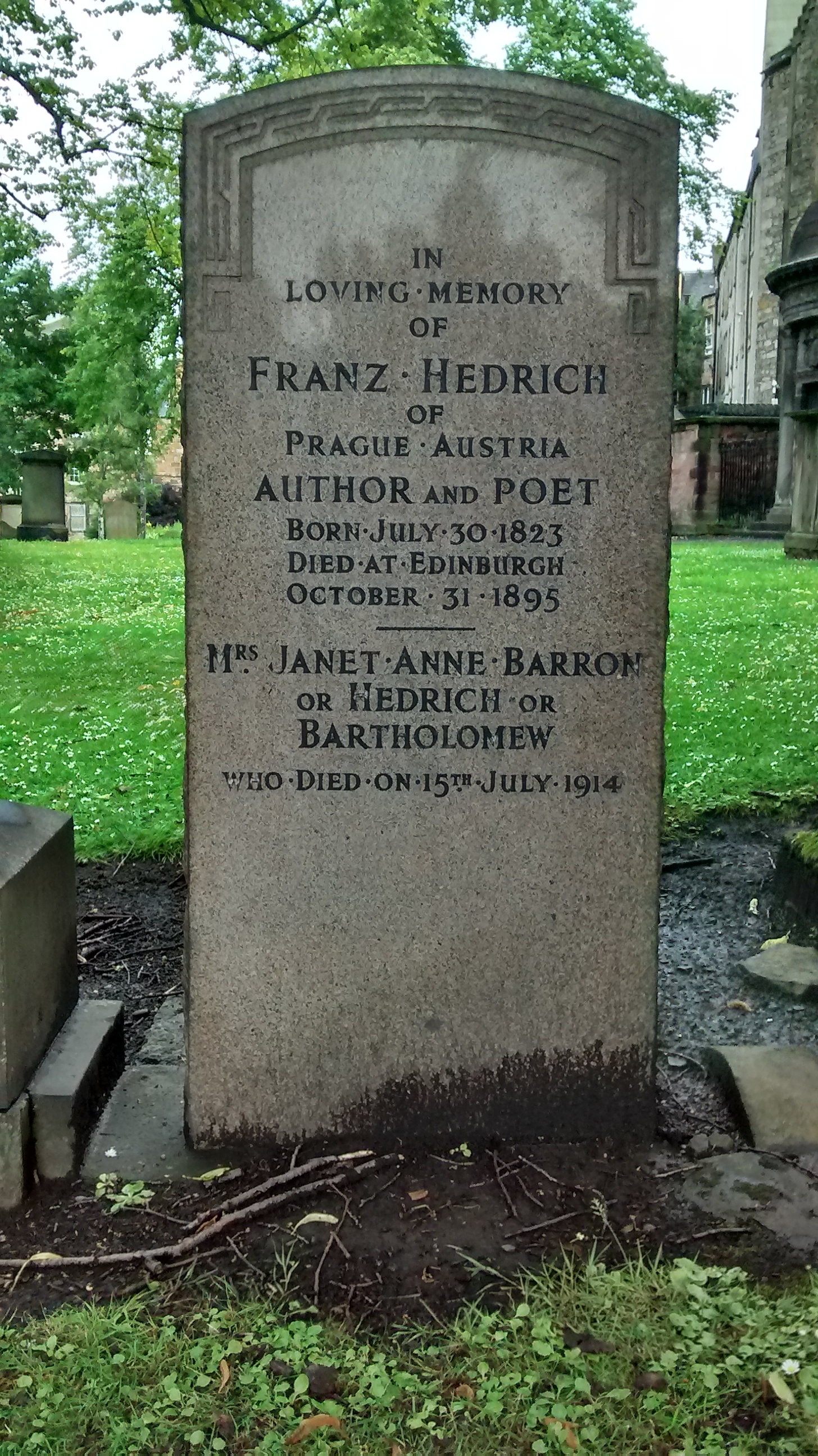
Franz Hedrich was a Austrian writer, buried in Greyfriars Churchyard, who caused a scandal by claiming with some justification another writer’s works as his own.

Poems around Edinburgh

I’ve been out taking photos of lines and stanzas from poems I read on the poetry walks, at the places where I read them.

I’ve been posting these on my Facebook and instagram pages, but thought I’d gather a few of them here.

S.T. Coleridge at the Black Bull, Grassmarket

Gavin Douglas at Gladstone’s Land, Lawnmarket. The ‘soir gled’ is the red kite; the surname of the man after whom Gladstone’s Land refers to a ‘gled stane’, or kite’s stone, hence the golden raptor on the building’s front.

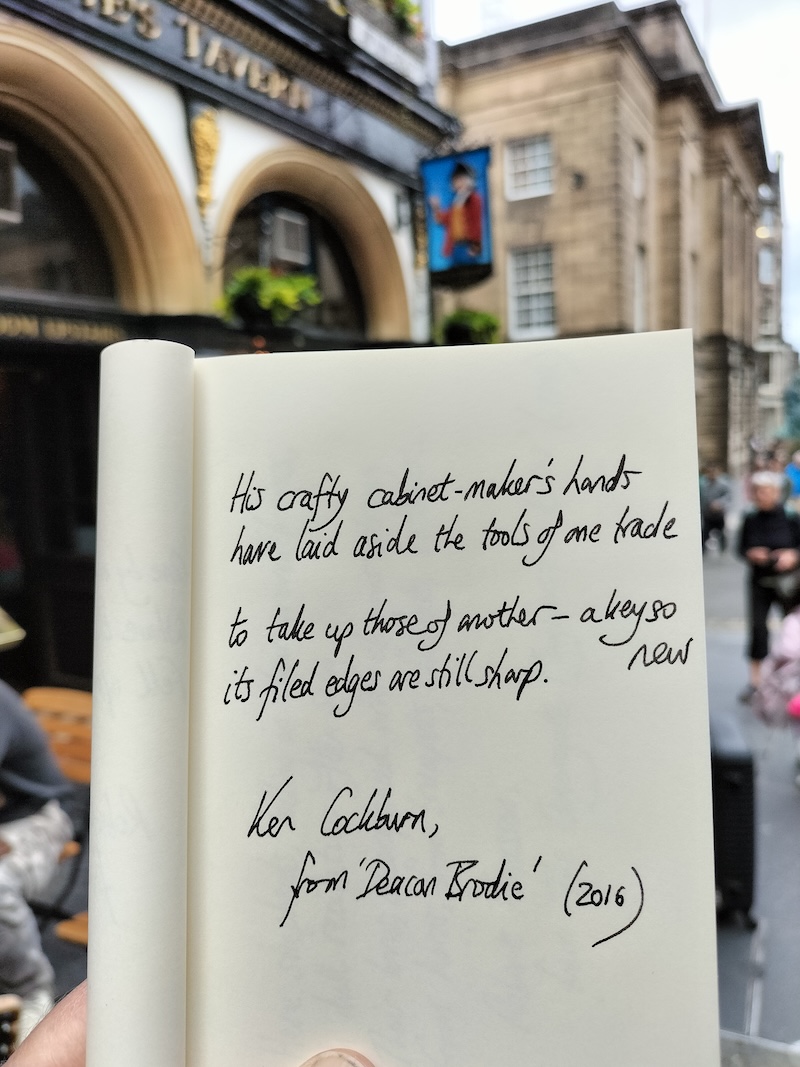
Ken Cockburn at Deacon Brodie’s pub, Lawnmarket

Angus Reid at The Scottish parliament building, Holyrood Road

Robert Fergusson at the Palace of Holyroodhouse

RLS at the High Kirk of St Giles, Parliament Square

John Taylor on Johnstone Terrace

News & updates, May 2025

I’m aware I haven’t posted here for quite a while, the main reason being that I’ve got into the habit of putting out my news in other ways, mainly regular posts on instagram, and an occasional newsletter sent out via Mailchimp.

You can find the last newsletter, which I sent out at the start of May, here. This is the introduction:

I’ll be leading poetry walks on the Edinburgh Fringe again this year, for the first time since 2019. – Along with Rod Burns and Becky Dwyer, I’ve become co-editor of Presence Haiku Journal, established by the late Martin Lucas and edited since 2014 by Ian Storr. – I have work in a forthcoming exhibition at MOCA Dunoon, paying tribute to Ian Hamilton Finlay whose centenary falls this year. – I’m leading a walking renga at Glasgow Botanic Gardens on Sunday 25th May, i.m Gerry Loose. – Plus a short poem published recently in Poetry Scotland.

If you want to read more about any of these, you can find the mailing here.

And if you want to sign up to receive future mailings, you can do so below.

If instagram is your thing, there I’m @kencockburnedinburgh Last year I took a different theme each month, which turned out to be a lot of work, and this year I’m posting on a more ad hoc basis.

Processing…
Success! You're on the list.

Poetry walks, summer 2024

I’m running more poetry walks in Edinburgh over the next few months, from 21 June to 12 October.

The June, July, September and October walks start outside St Giles Cathedral; the August walks by the Robert Fergusson statue outside the Canongate Kirk.

Full details here.

Column 1: St Anthony’s Chapel, Holyrood Park; The Scottish parliament building (staves and shadows); the old Royal High School, Calton Hill

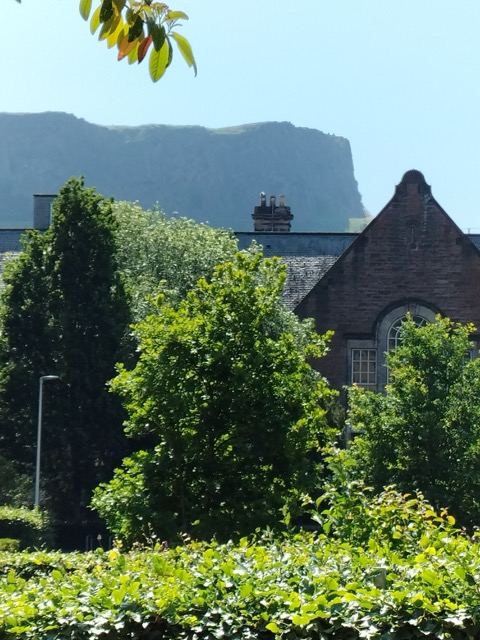
Column 2: Gullan’s Close, Canongate; Salisbury Crags, seen from Moray House gardens; 264 Canongate

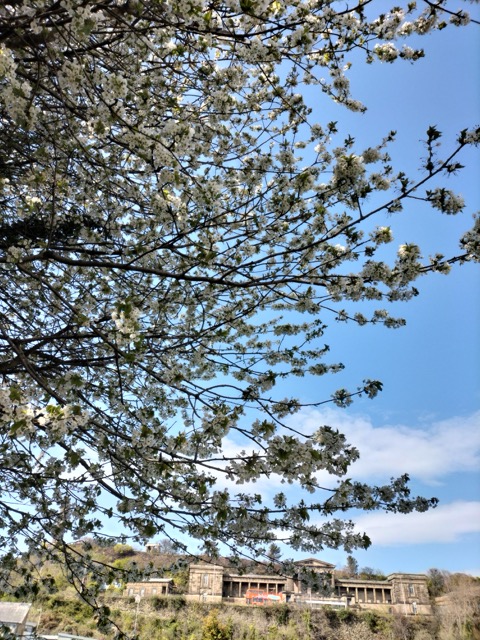
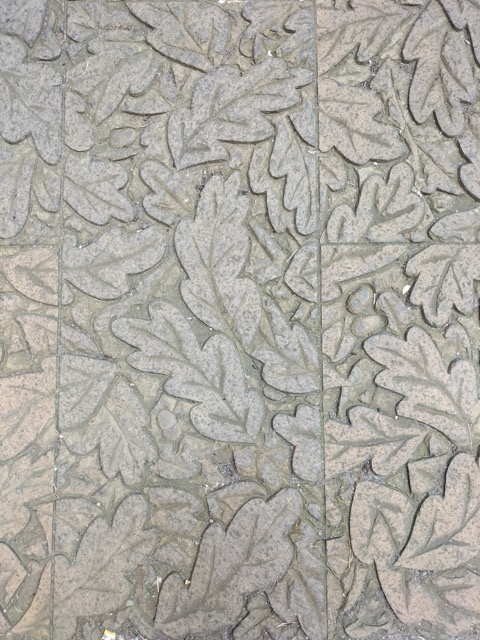
Colum 3: carved oak leaves, Riddle’s Court, Lawnmarket; Scottish Poetry Library; view from New Calton Burial Ground

Edinburgh (2nd edition)

Almost 18 months ago Barie Tullet’s Caseroom Press published the pamphlet Edinburgh: poems and translations. The first edition – hand-sewn, with covers in a wide range of colours – is now sold out, and last month a second edition appeared, with staples and a uniform cover. The contents remain the same – poems about the city written in 1996-97 and 2016, plus translations from Victor Hugo, Theodor Fontane and the 17th century Latin of Arthur Johnston.

The first sales were at last month’s Artists Book Fair at the Fruitmarket Gallery. Also on sale there were two new pamphlets, both featuring poems that would have made the cut for Edinburgh: poems and translations had they been written a little sooner.

They were commissioned by the first Push the Boat Out festival in autumn 2021, and again refer to sites in Edinburgh’s Old Town: ‘Jacob’s Ladder’ beneath the railways bridge at the junction of Calton Road and New Street, and ‘The Ballad of William Knox’ at the poet’s memorial stone in the New Calton Burial Ground, not far from the Stevenson vault, where Robert Louis’s grandfather, father, and uncle are all buried. (There are some photos of his memorial in an earlier blog, part of An Edinburgh Alphabet – scroll down to ‘K’.)

Edinburgh: poems & translations
ISBN 978-1-905821-35-8
210 x 125mm, 16 pages, soft covers

Jacob’s Ladder
No ISBN
282 x 99mm, 4pp, grey endpapers

The Ballad of William Knox
No ISBN
282 x 99mm, 4pp, blue endpapers

Edinburgh: poems & translations

It’s been a long time since I offered a poetry walk in the Old Town – almost two years. I gave some illustrated talks to U3A groups before the first lockdown, and since then have done a couple of online presentations.

In early 2020 I had a pamphlet of poems ready to publish with The Caseroom Press in early summer, with a view to promoting it during that year’s Edinburgh Fringe… but things didn’t go according to plan. For a while it seemed possible I could do something for the 2021 Fringe, but deadlines came and went.

It’s now ready, and I’m launching it in the days following National Poetry Day. First there’s a walk through the Old Town, from St Giles down the High Street and Canongate and into Holyrood Park, and then I’m also doing an online launch a few days later, for those unable (or unwilling) to venture into central Edinburgh and brave the autumn weather.

The walk is on Saturday 9 October at 11.00; the online launch on Tuesday 12 October at 19.00. For the latter I’ll be joined by Barrie Tullett, who designed and published the pamphlet for The Caseroom Press. You can book both the walk and the online launch via Eventbrite, and when booking you also have the option to buy a copy of the pamphlet.

Edinburgh: poems and translations includes original poems about Register House (and specifically the magnificent central dome designed by Robert Adam), the Scottish parliament building, and my then four-year old daughter running up and down Fleshmarket Close. There’s also a poem about Deacon Brodie who, despite being a legendary Edinburgh character, has been neglected by poets. The translations are of poems by Arthur Johnston, the 17th century Latin poet much admired by his near-namesake Samuel Johnson, by Victor Hugo, who conjures a romantically ruined Holyrood despite never visiting the city, and by Theodor Fontane, who did visit but whose ‘John Knox’s Death’ is full of anachronisms, all intentional no doubt

Edinburgh: Book Launch & Poetry Walk
Sat, 9 October 2021, 11:00 – 12:15 BST
Meet outside St Giles’ Cathedral, High Street, Edinburgh EH1 1RE

Edinburgh: online book launch
Tue, 12 Oct 2021 19:00-20.00
With Ken Cockburn & Barrie Tullett

Otherwise, if you’d like to buy a copy of the book get in touch! Until 12th October they cost £5.00 + P&P (thereafter £7.00 + P&P). As the photo above shows, the books are available in a variety of cover colours. If you have a preference, let me know.

Edinburgh: poems & translations
ISBN 978-1-905821-35-8
210 x 130mm, 16 pages, soft covers, saddle stitch binding

Duncan Ban MacIntyre

duncan ban mcintyre memorial greyfriars 1

Described on his grave memorial as ‘the celebrated Celtic bard’, Donnachadh Mac An t-Saoir (1724–1812) spent much of his long life in Edinburgh. Known in English as Duncan Ban MacIntyre, he moved from Breadalbane to Edinburgh in 1767, and was employed, like many Highlanders in the city, as a member of the City Guard. His wife ran a pub in the Lawnmarket. They lived in Roxburgh Close, off the north side of the High Street, where this plaque remembers him.

512px-Plaque_to_Duncan_Ban_MacIntyre,_Roxburgh_Close,_Edinburgh

Illiterate, he nevertheless published three editions of his poems as Orain Ghaidhealach (Gaelic Songs) in 1768, 1790 and 1804, assisted by his friend the Rev. John Stewart, ministers being at the time often the only people fully literate in Gaelic. Each edition was funded by subscription, and MacIntyre travelled across Scotland to persuade, with some success, potential readers to sign up.

Additional poems were added to second and third editions. ‘Oran Dhùn Eideann’ (Song to Edinburgh) first appeared in the third edition, and sings the praises of the poet’s adopted city. Below is the poem’s penultimate stanza in Gaelic, then in English and French (translated by, respectively, Angus MacLeod and Donald James Macleod).

Tha Dun-éideann boidheach
Air iomadh seòl na dhà,
Gun bhaile anns an rioghachd so
Nach deanadh striochdadh dha ;
A liuthad fear a dh’innsinn ann
A bélreadh cis do chach,
Daoin-uaisle casg’ an iota
Ag òl air fion na Spàinnt’.

Edinburgh is beautiful
in many diverse ways;
there is no city in this realm
but would yield it precedence.
How many men I could tell of there,
who would give others fee,
while gentlemen slake their thirst
by drinking Spanish wine.

Edimbourg est belle
En bien des façons ;
Il n’y a point de ville dans ce royaume,
Qui ne doive reconnaître sa supériorité ;
Il y a beaucoup de personnes que je pourrais nommer
Qui donnaient des revenus à d’autres,
Des messieurs qui étanchent leur soif
En buvant le vin d’Espagne.

He is buried in Greyfriars Kirkyard.

duncan ban mcintyre memorial greyfriars 2

Photo credits:

“File:Plaque to Duncan Ban MacIntyre, Roxburgh Close, Edinburgh.jpg” by Stephencdickson is licensed under CC BY-SA 4.0

“duncan ban mcintyre memorial greyfriars” by Gary Thomson is licensed under CC BY-NC-ND 2.0

“duncan ban mcintyre memorial greyfriars” by Gary Thomson is licensed under CC BY-NC-ND 2.0