Back in 2017 I posted an A-Z of Edinburgh poetry. This summer I thought I’d do another, so in the run-up to this year’s Fringe poetry walks I’ve started posting on instagram and Facebook. Thus far I’ve done A-Q; you can find I-Q outlined below, and A-H in an earlier post here.
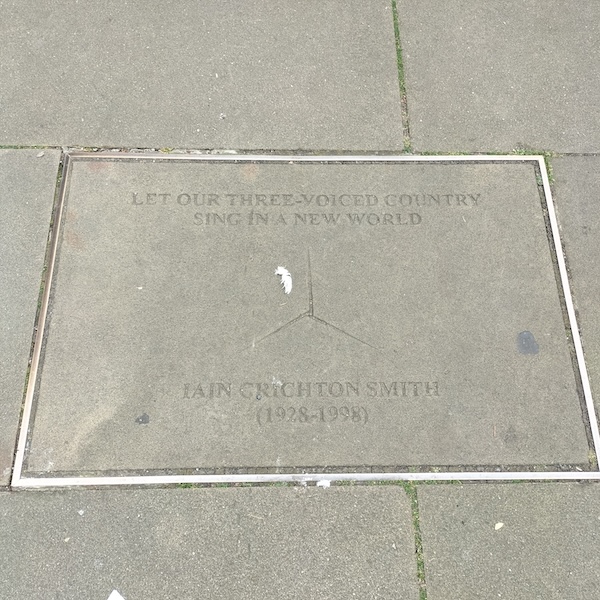
I is for Iain Crichton Smith
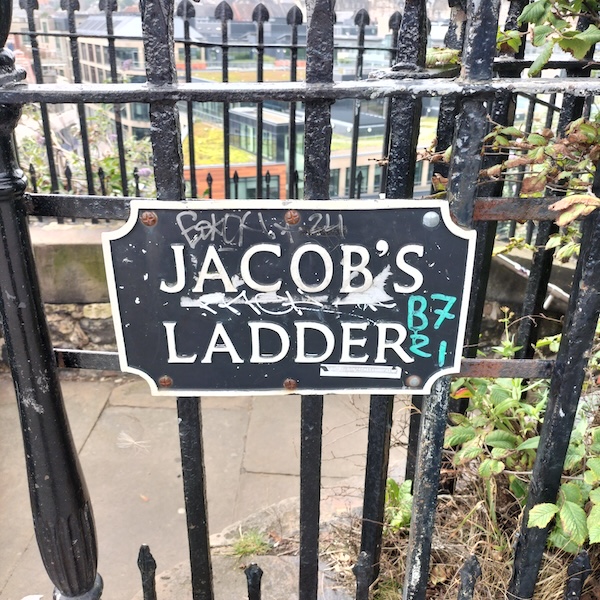
J is for Jacob’s Ladder
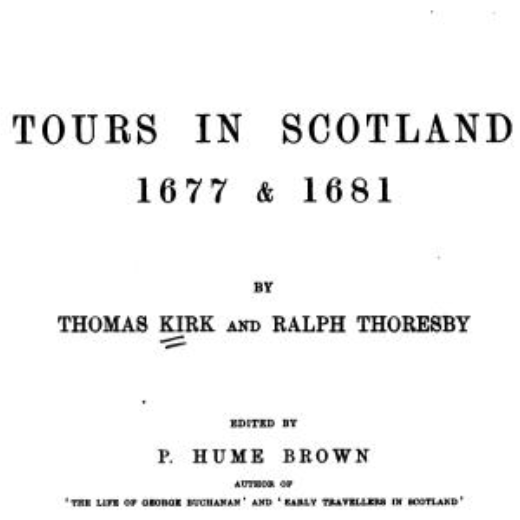
K is for Kirk, Thomas
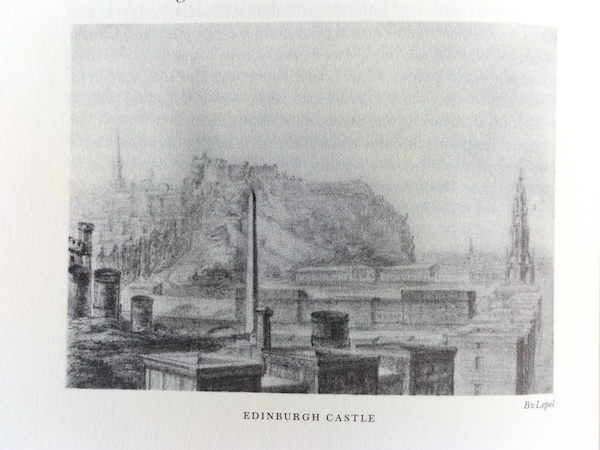
L is for Lepel, Benhard von
M is for Maps
N is for Newhaven
O is for Outlander, Otway & Orphan
P is for Paolozzi
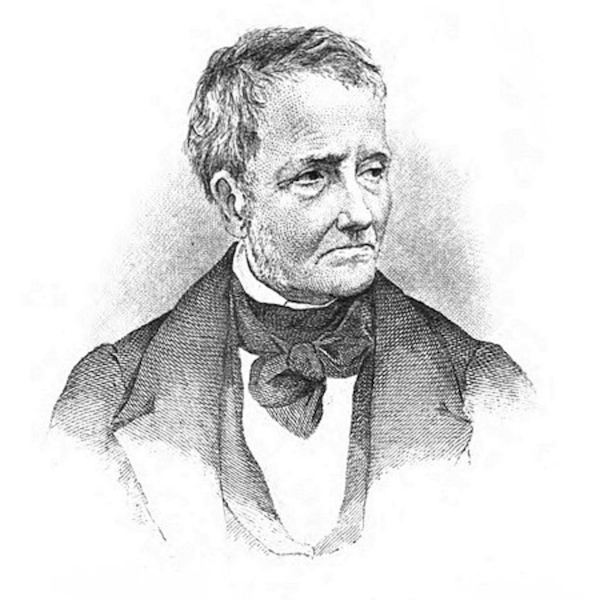
Q is for Quincey, Thomas De
Iain Crichton Smith, from Lewis, and living much of his life in Argyll, wrote about Edinburgh, not always flatteringly. The image above shows an inscription in Makars Court: ‘Let our three-voiced country / Sing in a new world’ – from a poem read at the opening of the Scottish parliament in 1999.
Jacob’s Ladder runs up steeply from the gloom of an overhead railway bridge on Calton Road to the open vistas of Regent Road.
Thomas Kirk was a Yorkshireman who kept a journal of a tour of Scotland made 1677. On May 29th he describes the pretty wild celebrations on the anniversary of Charles II’s restoration – a volatile mix of wine and gunpowder.
Bernhard von Lepel travelled to Scotland with Theodor Fontane in 1858. Fontane’s travel book Jenseits des Tweeds (Beyond the Tweed) appeared in 1860. A English edition features drawings made by von Lepel on their travels.
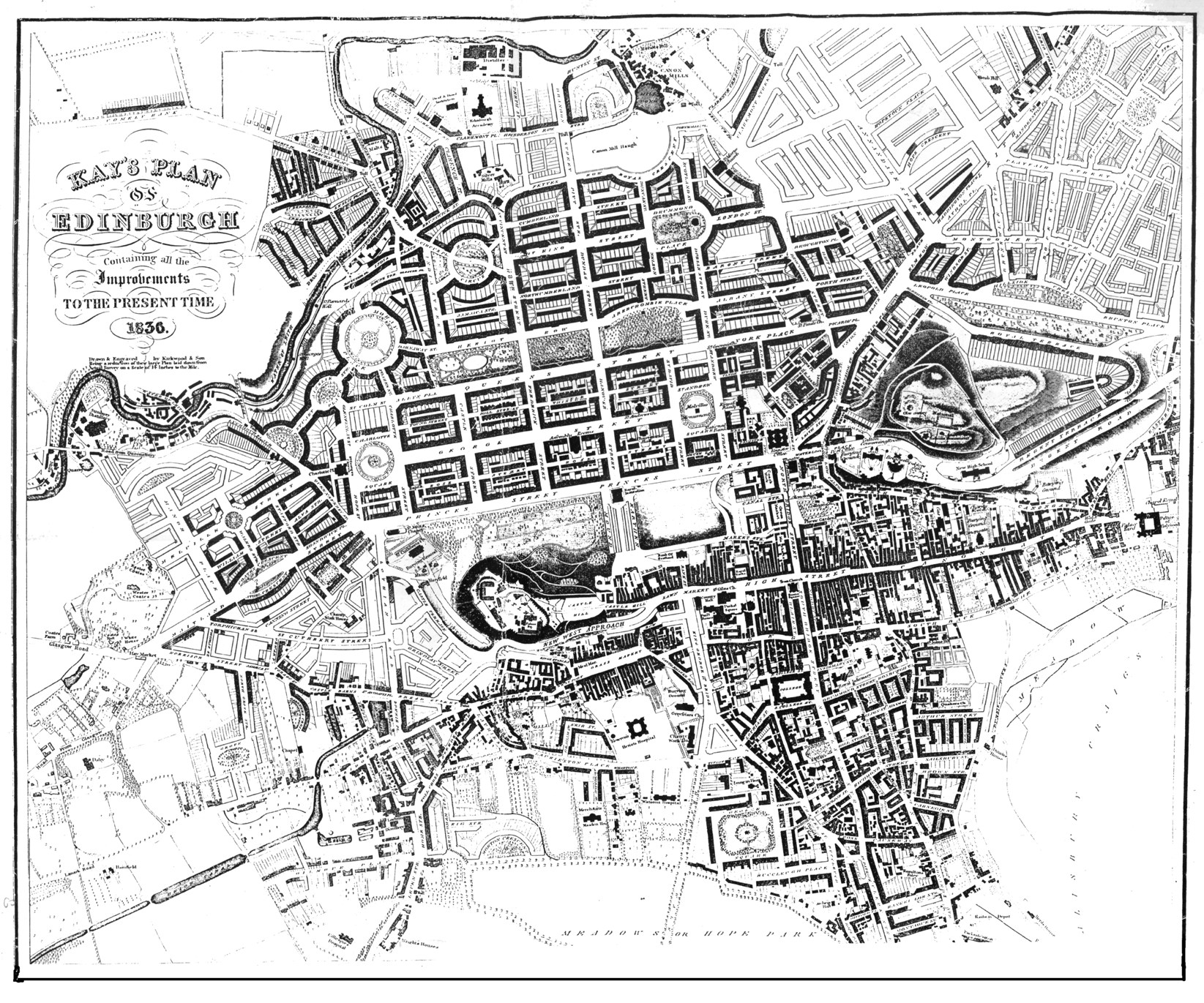
This map dates from 1836, when the grid of the New Town has extended the city to the north.
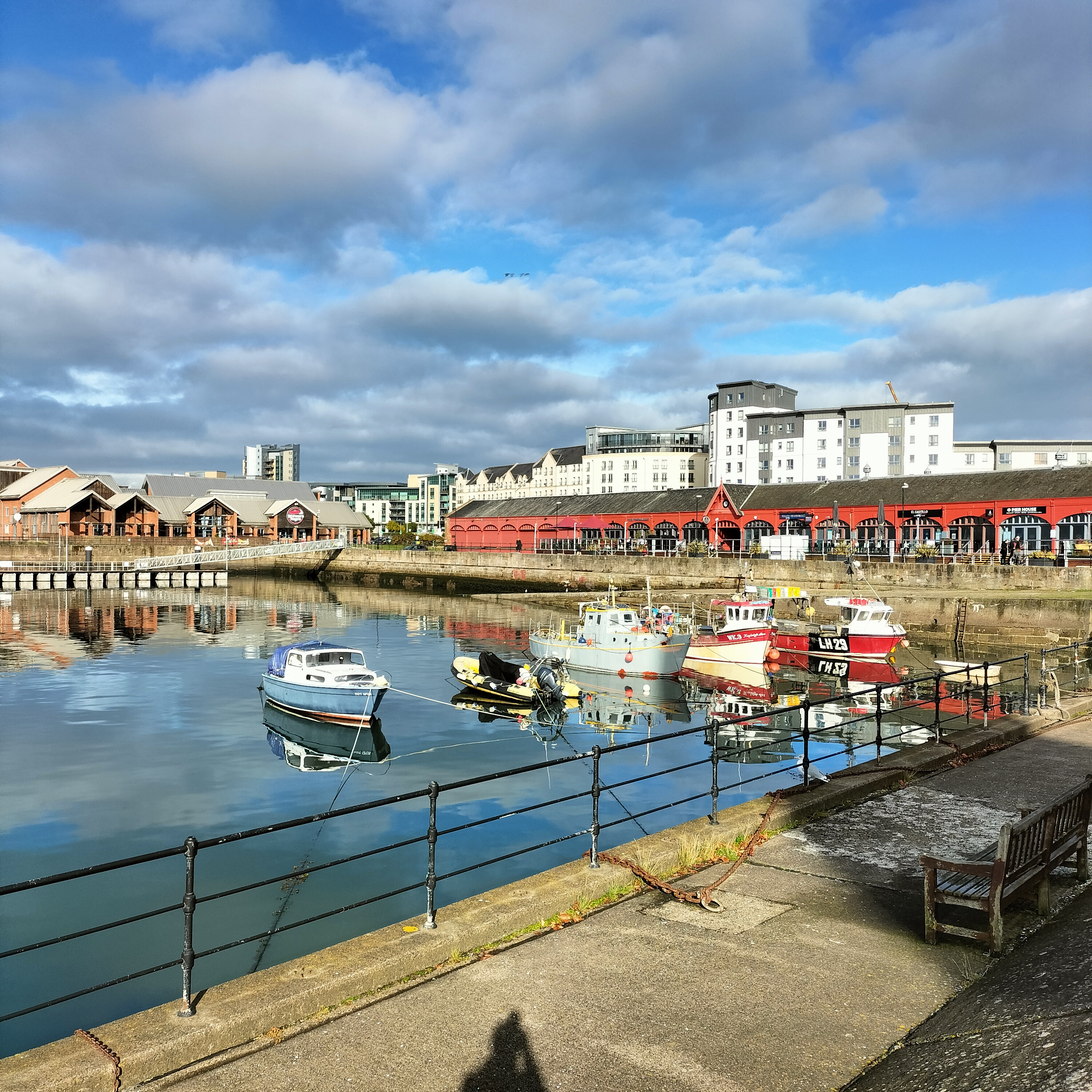
Newhaven is a former fishing village north of the city centre, between Leith and Granton.
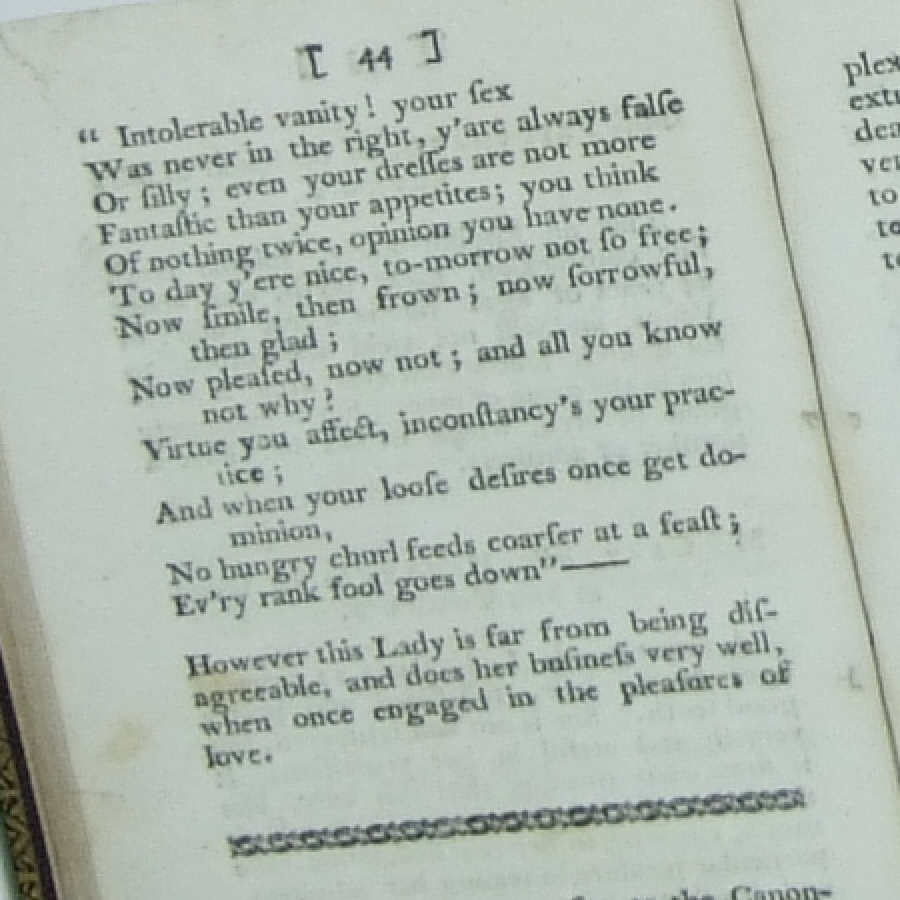
Otway‘s play The Orphan is quoted in a court of Bakehouse Close, one of the locations for the tv series Outlander.
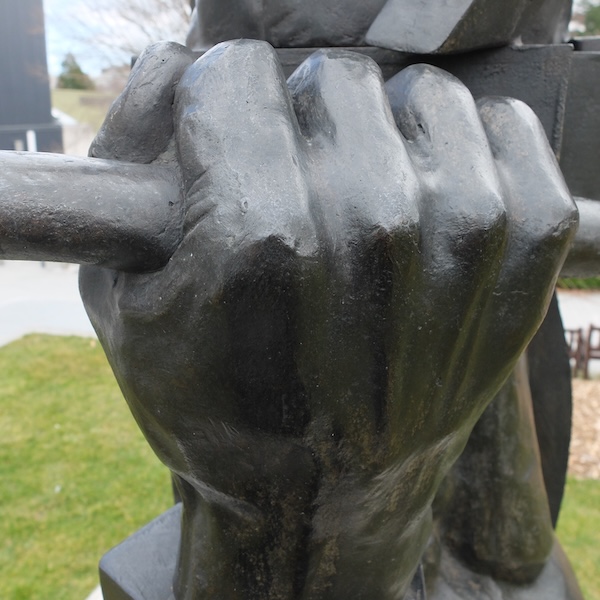
The artist Eduardo Paolozzi was born in Leith to Italian parents. Technology, science and pop culture became central to his work, and as his reputation spread he received an increasing number of public commissions, including several in Edinburgh. The hand is from Egeria, University of Edinburgh, Kings Building.
Thomas De Quincey, best know for Confessions of an English Opium-Eater, lived for many years in Edinburgh. For some time he lived in New Town grand surroundings, but unpaid debts meant he took advantage of the debtors’ sanctuary at Holyrood.


 Poems on the page and in the world