Category Archives: Edinburgh Festival Fringe

A second Edinburgh Alphabet (R-Z)

Back in 2017 I posted an A-Z of Edinburgh poetry. This summer I thought I’d do another, so in the run-up to this year’s Fringe poetry walks I started posting on instagram and Facebook. This post summarises the last letters; click through if you want to the posts for A-H and I-Q.
R is for Ransford
S is for Snow
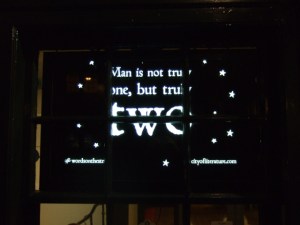
T is for To / two / Time
U is for Underwoods
V is for Views and Vistas
W is for Water of Leith
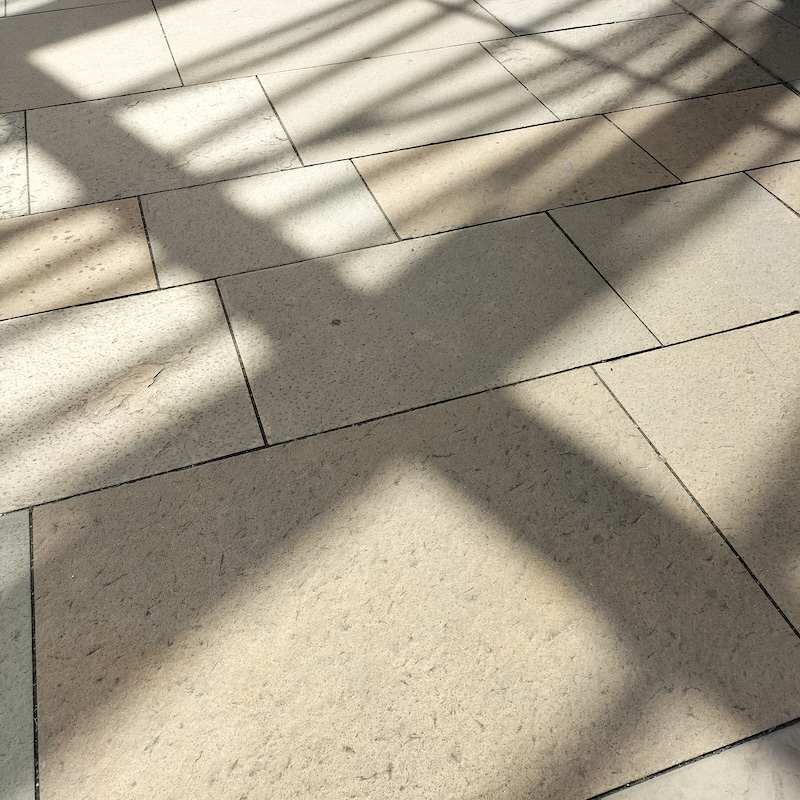
X is for a crisscross shadow
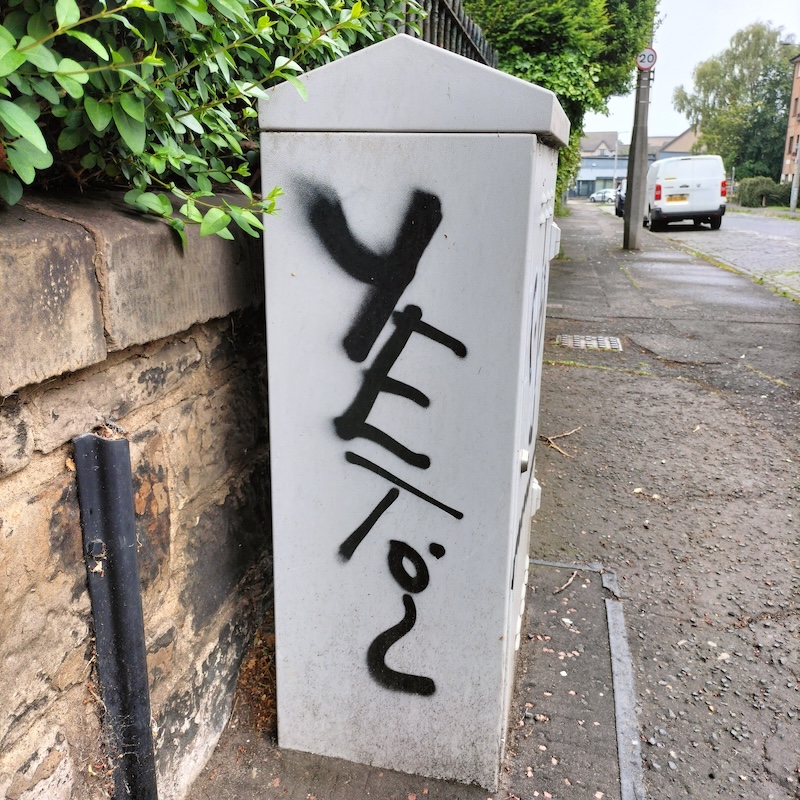
Y is for Yet
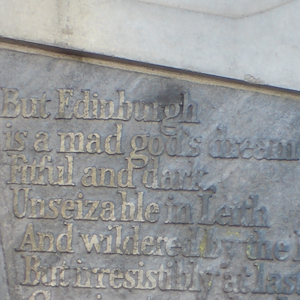
Z is for unseiZable

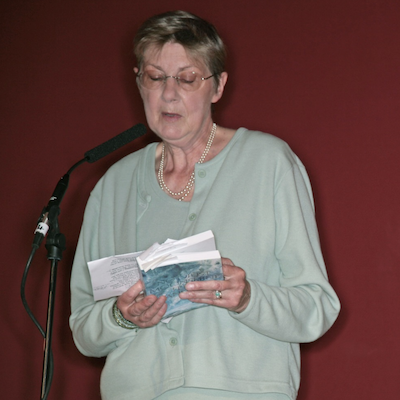
Tessa Ransford was a poet and founder of the Scottish Poetry Library. She was its its first Director from 1984-1999.
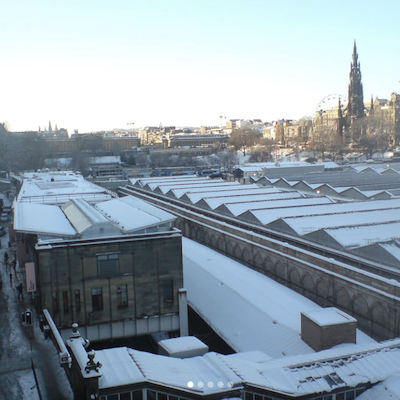
S is for Snow. The photos are from the chill winter of 2010-11.
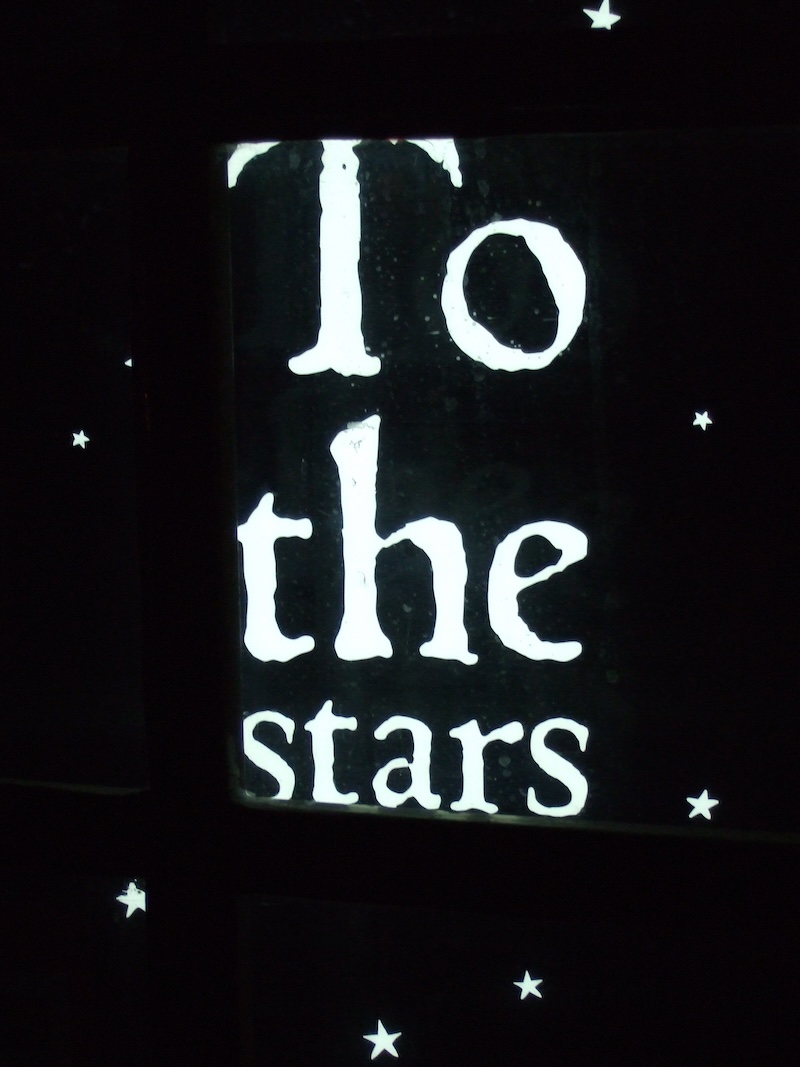
To the stars’: The Canongate’s historic motto is sic itur ad astra from Virgil’s Aeneid. In his Chronicles of the Canongate, Sir Walter Scott translated the motto as ‘this is the path to heaven’ and it is elsewhere rendered as ‘thereby shall we go to the stars.’

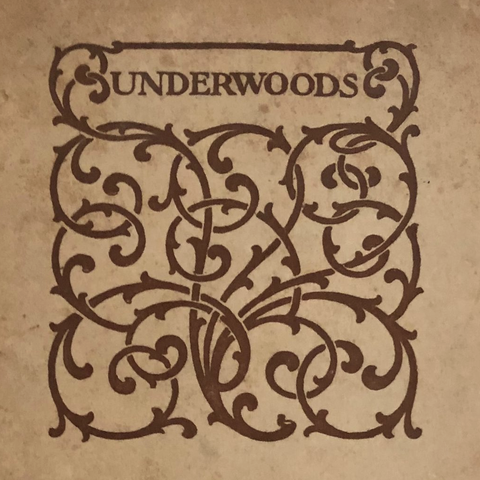
Underwoods, an 1887 book of poems by Robert Louis Stevenson, borrowed its title from Ben Jonson, whose own ‘Underwoods’ gathered ‘lesser poems of later growth’, which, according to the critic (and RLS’s friend) Edmond Gosse, had sprung up ‘between the more massive timber of his plays’.
V is for Views or Vistas; here, Arthur’s Seat seen from Regent Road Park.
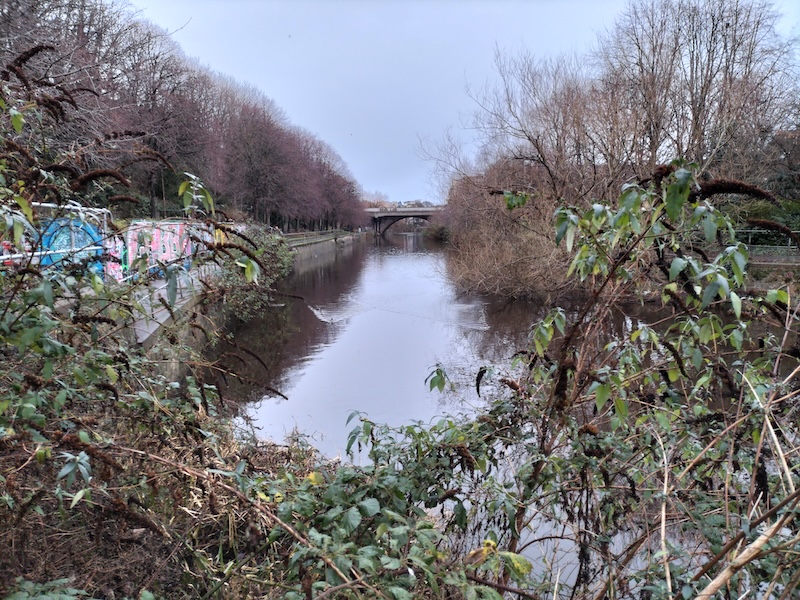
The Water of Leith, Edinburgh’s modest river, skirts the centre; here is a stretch not far from its mouth at Leith.

This X appeared outside the Scottish parliament building yesterday: a monochrome Saltire, a vote, a marking of the spot, a Muskless redemption.
Y is for YET, a graffiti tag followed by lines from poems relating to the Old Town which happen to contain the word.
I picked out the Z in a MacDiarmid poem, ‘Edinburgh’, inscribed on the Canongate Wall at the Scottish parliament building, which includes the lines ‘But Edinburgh is a mad god’s dream, / Fitful and dark, / Unseizable in Leith / and wildered by the Forth’.
A second Edinburgh Alphabet (I-Q)

Back in 2017 I posted an A-Z of Edinburgh poetry. This summer I thought I’d do another, so in the run-up to this year’s Fringe poetry walks I’ve started posting on instagram and Facebook. Thus far I’ve done A-Q; you can find I-Q outlined below, and A-H in an earlier post here.

I is for Iain Crichton Smith
J is for Jacob’s Ladder
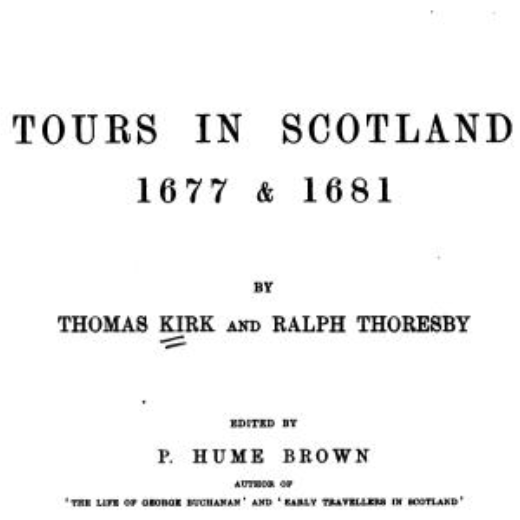
K is for Kirk, Thomas
L is for Lepel, Benhard von
M is for Maps
N is for Newhaven
O is for Outlander, Otway & Orphan
P is for Paolozzi
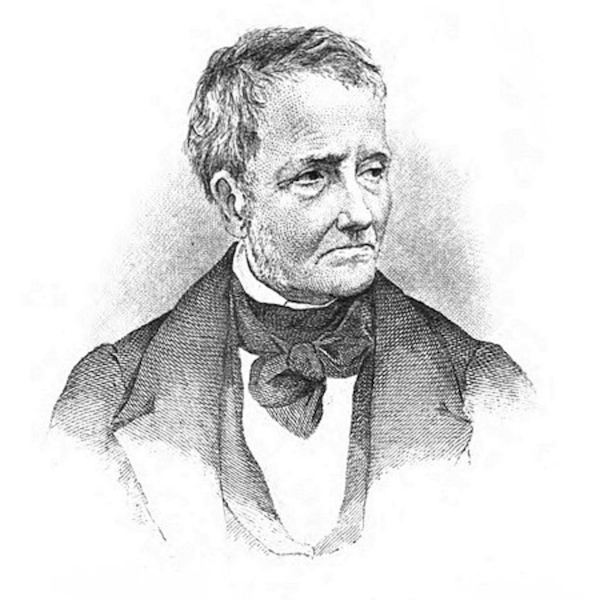
Q is for Quincey, Thomas De

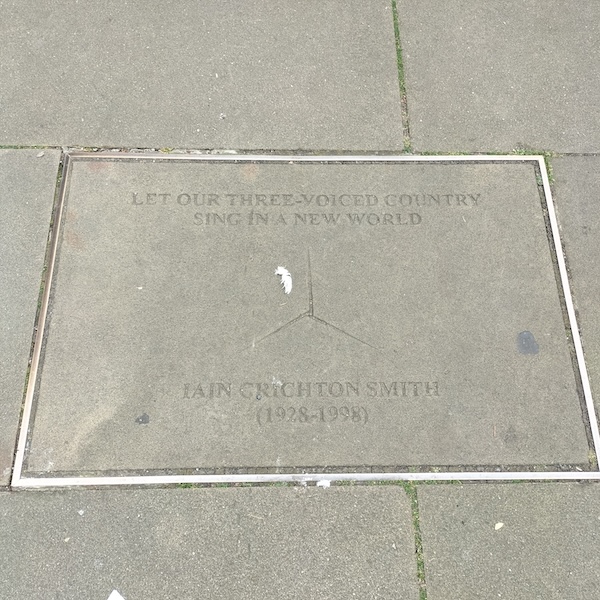
Iain Crichton Smith, from Lewis, and living much of his life in Argyll, wrote about Edinburgh, not always flatteringly. The image above shows an inscription in Makars Court: ‘Let our three-voiced country / Sing in a new world’ – from a poem read at the opening of the Scottish parliament in 1999.
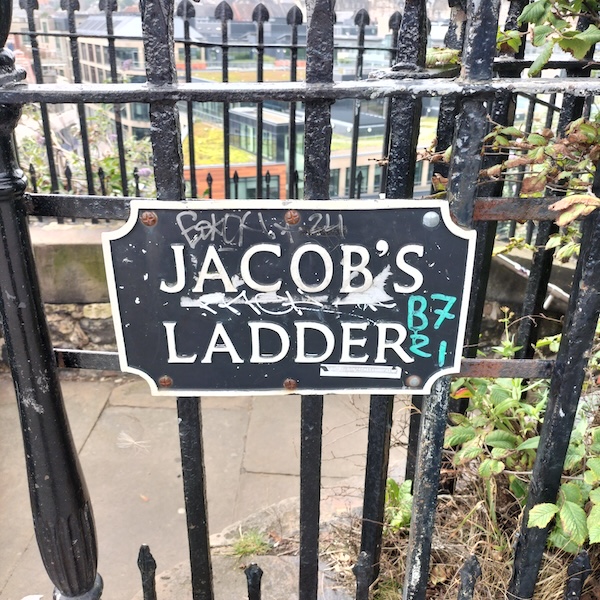
Jacob’s Ladder runs up steeply from the gloom of an overhead railway bridge on Calton Road to the open vistas of Regent Road.
Thomas Kirk was a Yorkshireman who kept a journal of a tour of Scotland made 1677. On May 29th he describes the pretty wild celebrations on the anniversary of Charles II’s restoration – a volatile mix of wine and gunpowder.

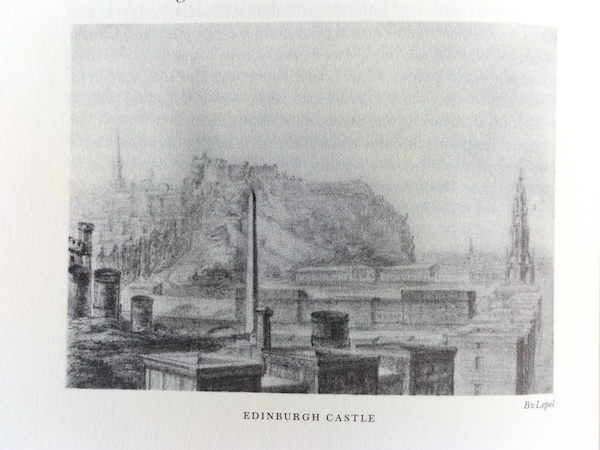
Bernhard von Lepel travelled to Scotland with Theodor Fontane in 1858. Fontane’s travel book Jenseits des Tweeds (Beyond the Tweed) appeared in 1860. A English edition features drawings made by von Lepel on their travels.
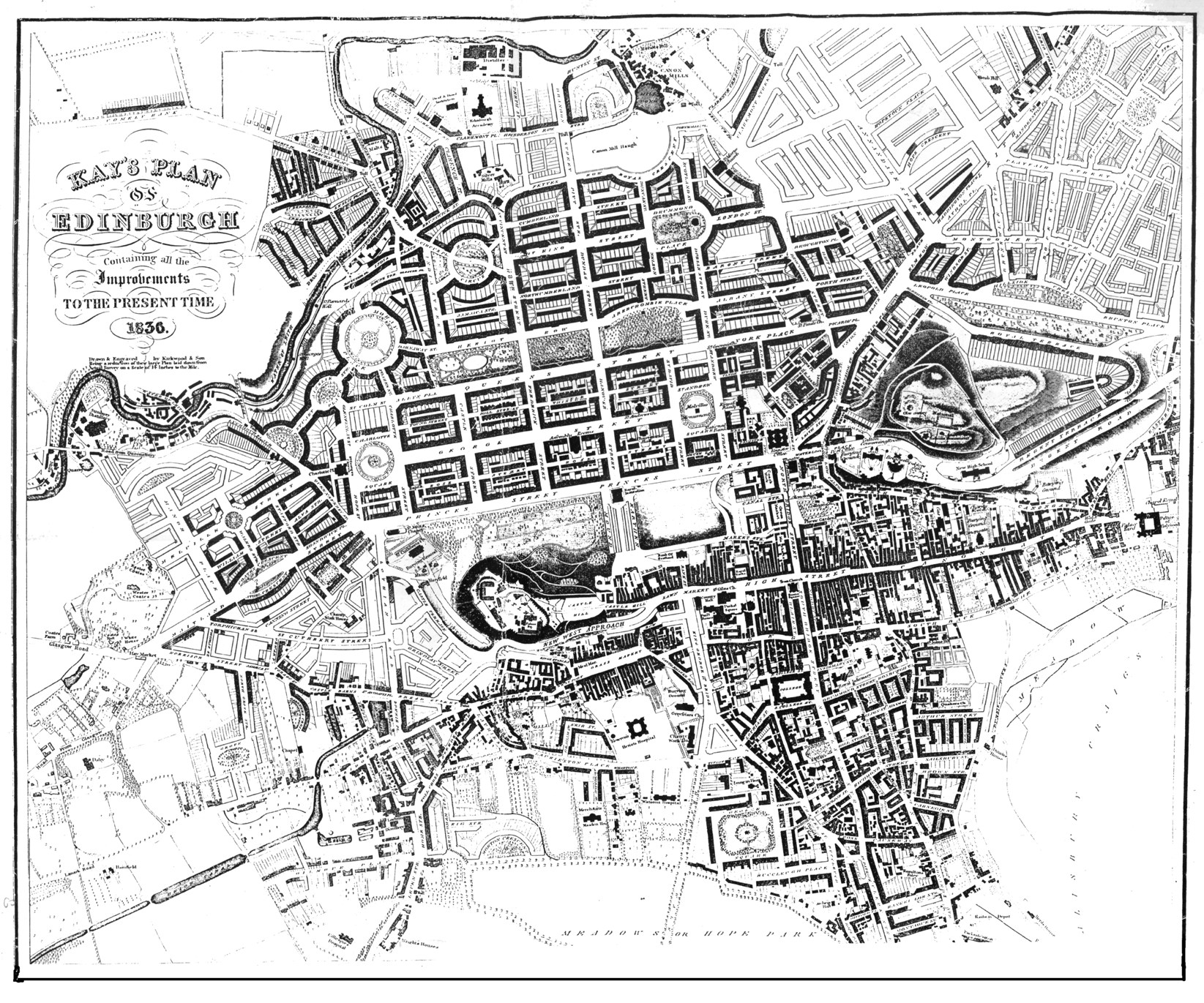
This map dates from 1836, when the grid of the New Town has extended the city to the north.
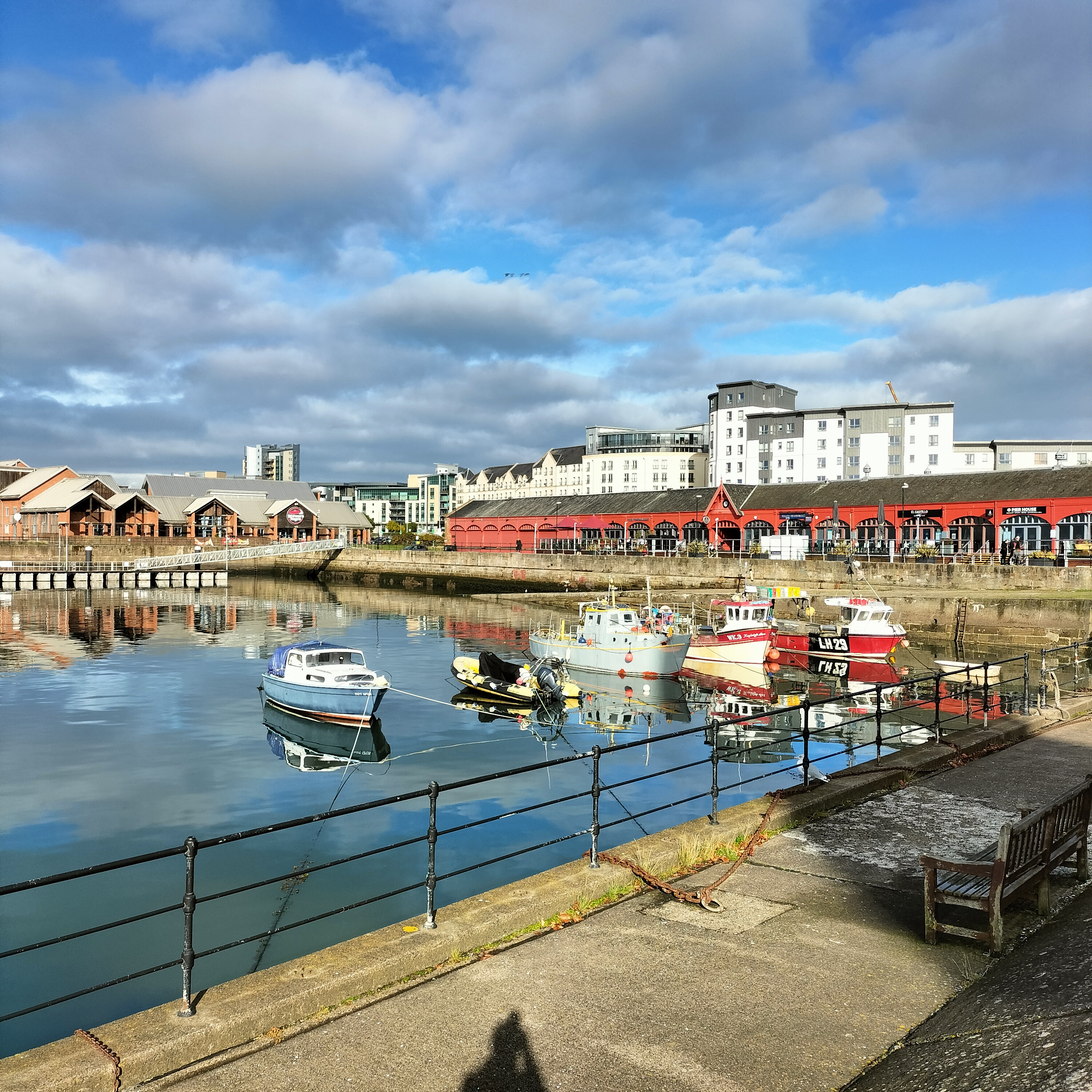
Newhaven is a former fishing village north of the city centre, between Leith and Granton.

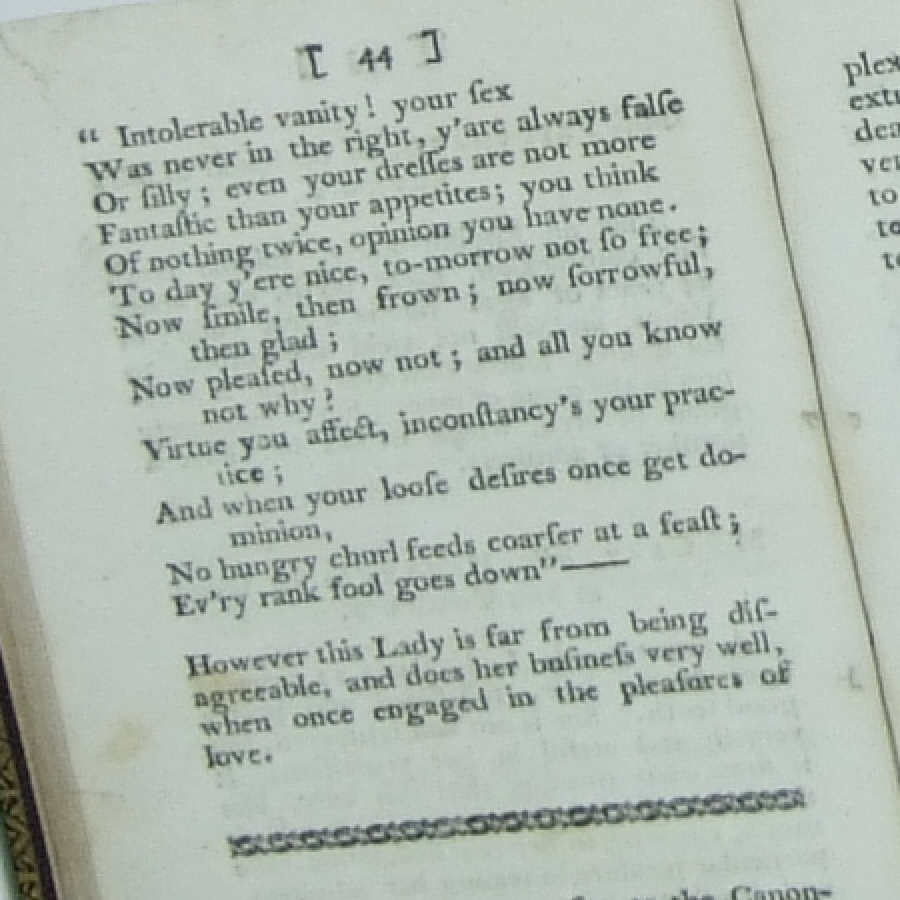
Otway‘s play The Orphan is quoted in a court of Bakehouse Close, one of the locations for the tv series Outlander.
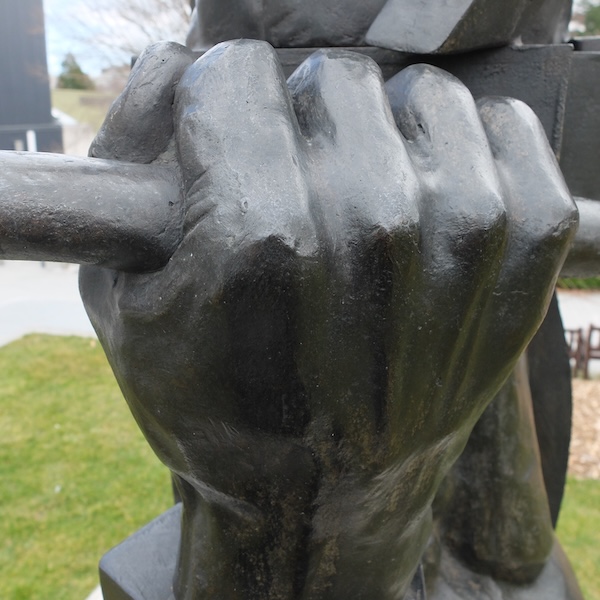
The artist Eduardo Paolozzi was born in Leith to Italian parents. Technology, science and pop culture became central to his work, and as his reputation spread he received an increasing number of public commissions, including several in Edinburgh. The hand is from Egeria, University of Edinburgh, Kings Building.
Thomas De Quincey, best know for Confessions of an English Opium-Eater, lived for many years in Edinburgh. For some time he lived in New Town grand surroundings, but unpaid debts meant he took advantage of the debtors’ sanctuary at Holyrood.

A second Edinburgh Alphabet (A-H)

Back in 2017 I posted an A-Z of Edinburgh poetry. This summer I thought I’d do another, so in the run-up to this year’s Fringe poetry walks I’ve started posting on instagram and Facebook. Thus far I’ve done A-H.

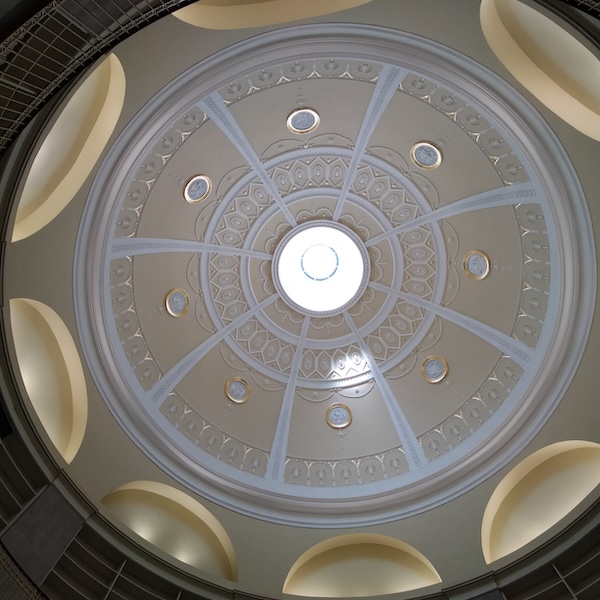
A is for the Adam Dome
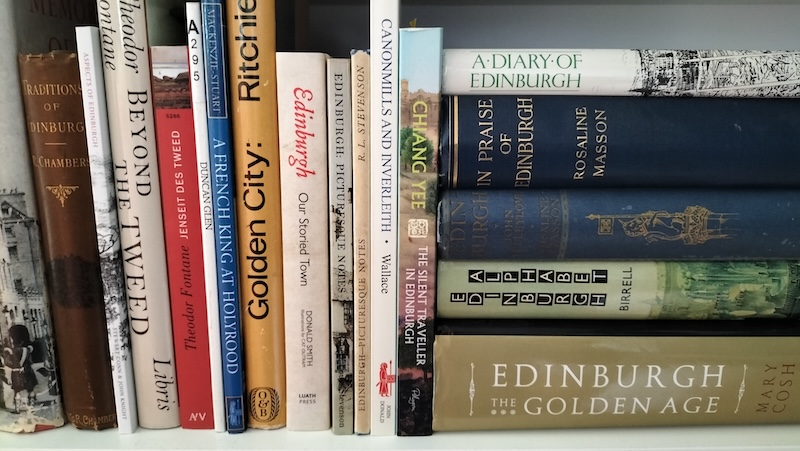
B is for Bookshelf
C is for Connelly, & Cowgate
D is for Deacon Brodie
E is for Edinburgh etc
F is for Fringe
G is for Gododdin
H is for Hedrich

The Adam Dome is the spendid though somewhat redundant centrepiece of General Register House; ‘An elaborate theatre… an exquisite void.’
The Bookshelf shows some of the books about Edinburgh I’ve referred to regularly or occasionally to inform the poetry walks. Many of them were published and / or printed in Edinburgh too.
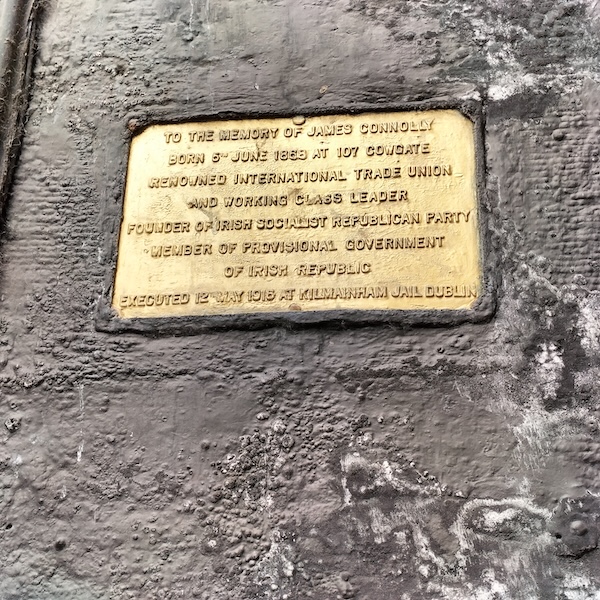
James Connolly was born in 1868 in Edinburgh’s Cowgate, and died (by firing squad) in Dublin in 1916, following the Easter Rising.

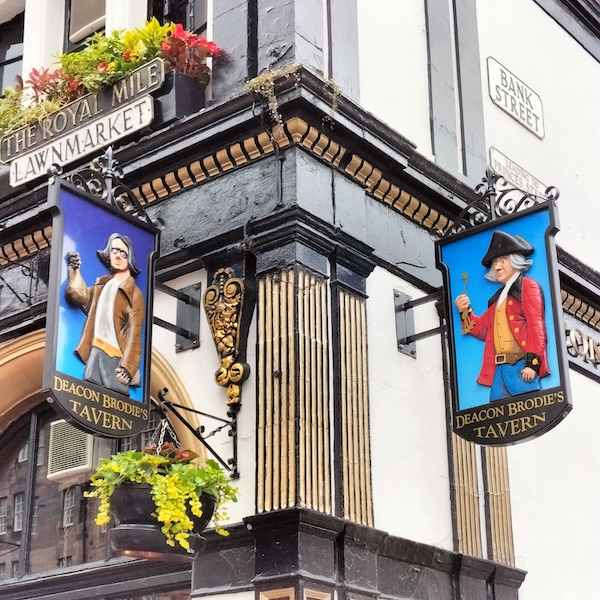
William ‘Deacon’ Brodie’s ‘cunning and audacity were unsurpassed’. On the Lawnmarket a pub is named after him, and he is said to be one of the models for Stevenson’s Jekyll and Hyde.
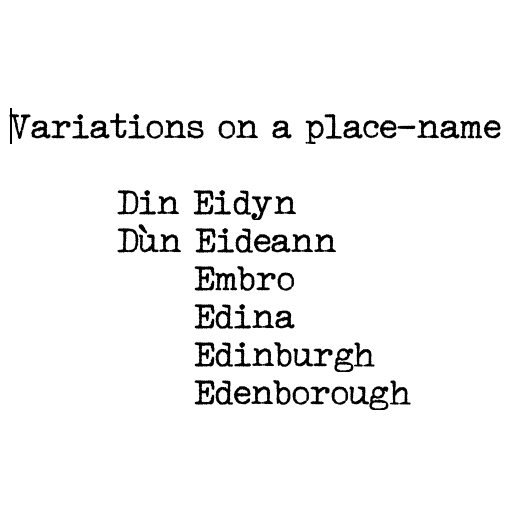
Edinburgh… and other names it has been known by over the centuries by speakers of Brittonic (Old Welsh), Gaelic, Latin, Scots and English.
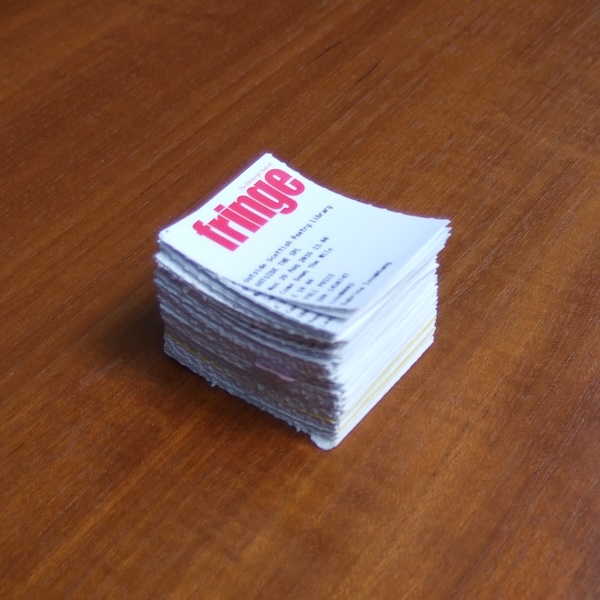
Some photos from Edinburgh Festival Fringes past, including these ticket stubs … remember them?

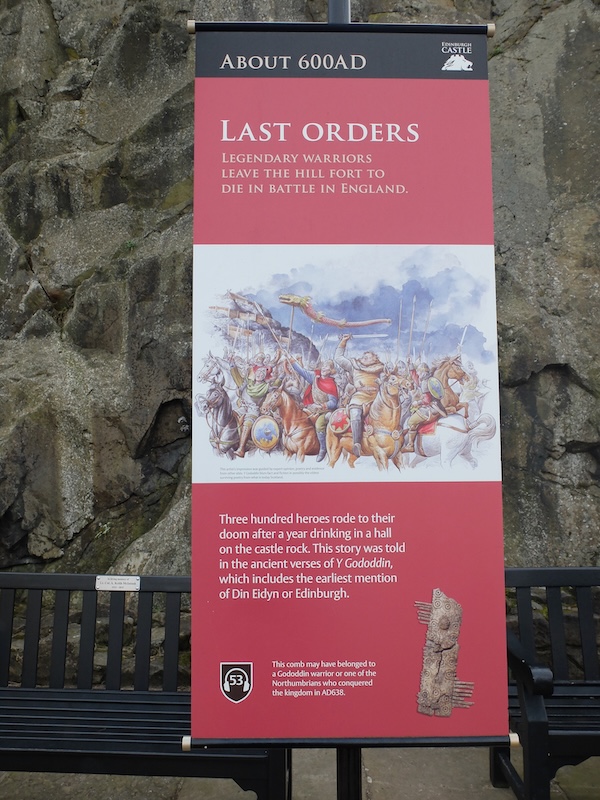
Gododdin were the one time residents of what’s now Edinburgh Castle. It didn’t end well…
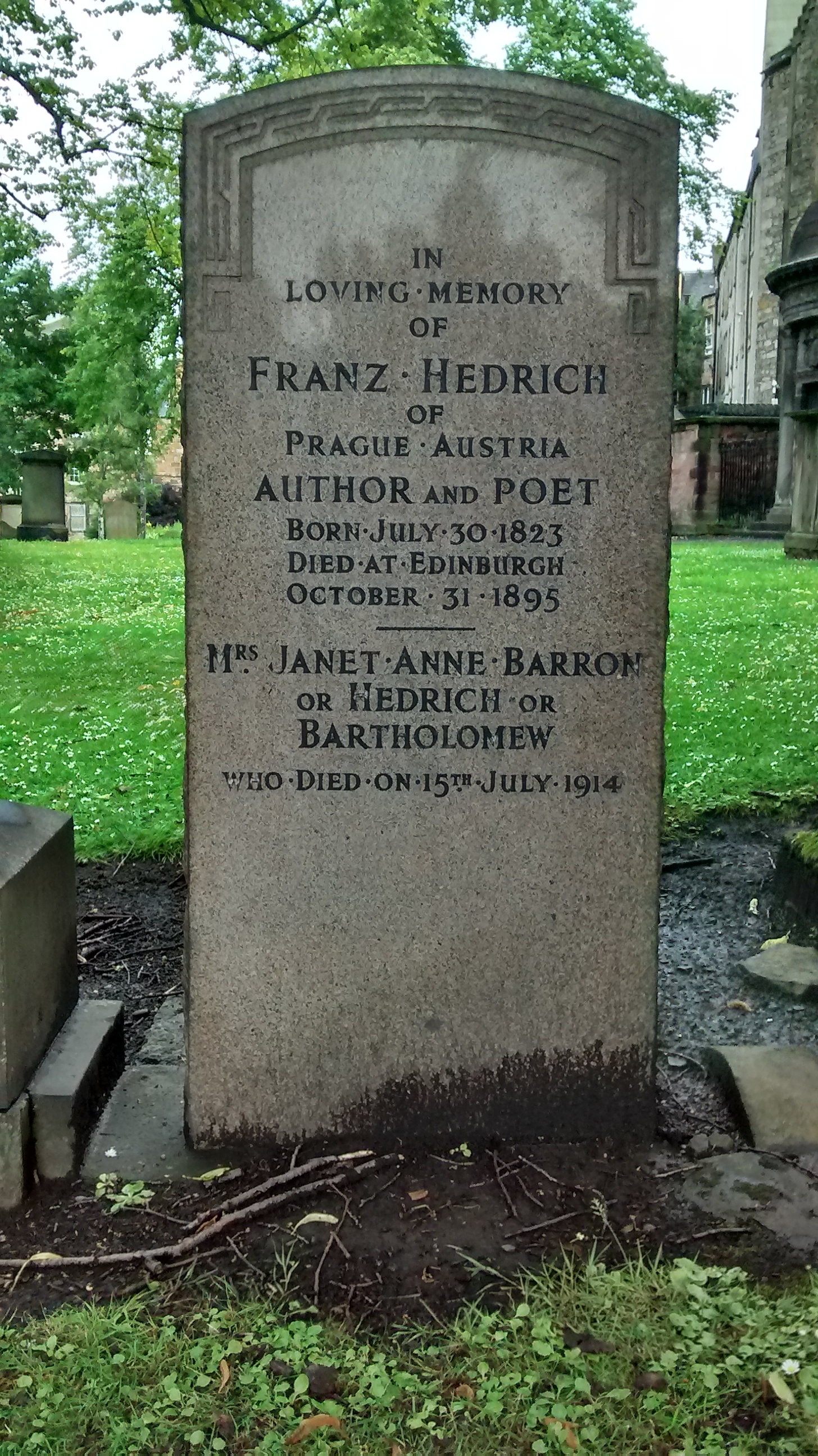
Franz Hedrich was a Austrian writer, buried in Greyfriars Churchyard, who caused a scandal by claiming with some justification another writer’s works as his own.

Edina Europa: after the Fringe

These are a few photos from the Edina Europa poetry walks, which took place during the Edinburgh Fringe Festival last month. They were taken by Alison Lloyd; my thanks to her for letting me use them here.

*IMG-5253
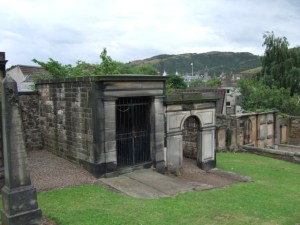
In the Canongate Kirkyard, looking towards the Nelson Monument on Calton Hill and the Old Royal High School.

*IMG-5257
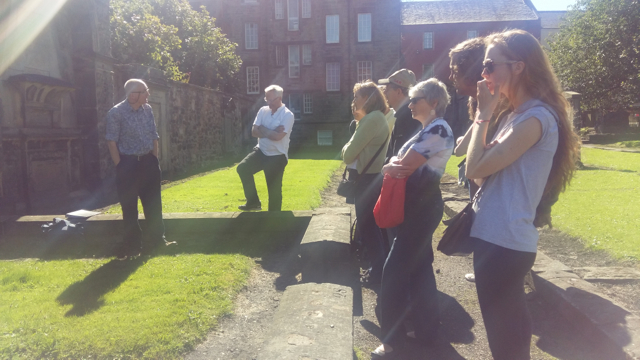
At the grave of Johann Friedrich Lampe (1703–1751), a composer and bassonist who came to Edinburgh in 1750 to play at the recently opened Canongate Playhouse. I read from Robert Fergusson’s poem, ‘On the Canongate Playhouse in Ruins’, written after the theatre closed in 1769, and which includes the lines evoking the sounds of the playhouse:

Here shepherds, lolling in their woven bowers,
In dull recitativo often sung
Their loves, accompanied with clangour strong
From horns, from trumpets, clarinets, bassoons;
From violinos sharp, or droning bass,
Or the brisk tinkling of a harpsichord.

*IMG-5265
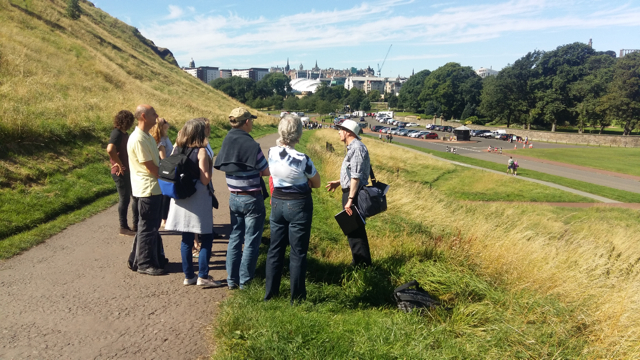
Reading from Burns, with the Burns Monument emerging from the trees in the background.

IMG-5269
Reading another Burns poem at the grave of Adam Smith.

IMG-5273
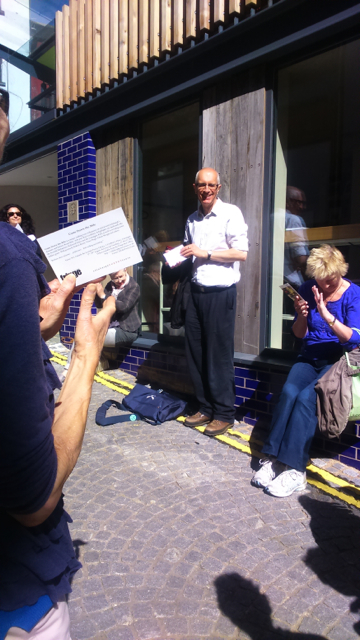
Taking advantage of having the poet on hand, I asked Angus Reid to read his ‘split sonnet’ about the Scottish parliament building, dedicated to Donald Dewar and beginning with the question:

And with what sign should     the gathering place
be shown…

Thanks to everyone who came on the walks – it was as ever a pleasure to share the poems with you, and the unfolding conversations.


Making POETRY for the Inspiration Machine

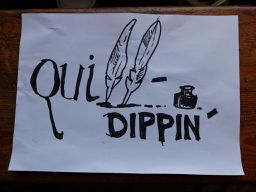
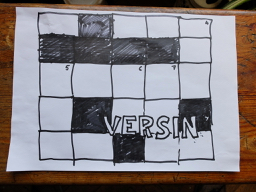
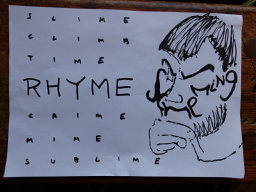
Thanks to Angus Reid for helping me make a 10-second video for the Edinburgh Fringe’s Inspiration Machine. It takes work to make something that short!  We used an old poem of mine, POETRY, which is based loosely on a Pepsi ad from the 70s. These are Angus’s drawings that we used in the video, throwaway style, like Dylan in ‘Subterranean Homesick Blues’. (Nothing like showing your age…)

DSCF5697
DSCF5698
DSCF5699
DSCF5700
DSCF5701
DSCF5702
DSCF5703
DSCF5704
DSCF5705

DSCF5707

Edina Europa: before the Fringe

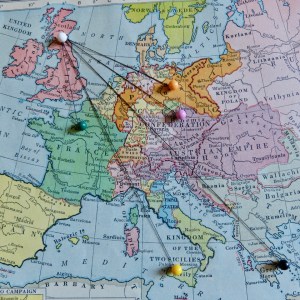
Edina Europa map light

I’ll be leading poetry walks as part of the Edinburgh Festival Fringe again this year. Edina Europa looks at the Scottish capital’s links with Europe over the centuries. I’m still compiling poems and working out the itinerary, but the walks will start and end at the Scottish Poetry Library, just off the Canongate near the Scottish Parliament.

The map above (taken from an old historical atlas, and showing Europe after 1815) links Edinburgh with cities it’s been compared to: it’s well known as the ‘Athens of the North’, but it’s also been compared favourably, and alliteratively, with Paris, Palermo, Prague and Potsdam.

Today I’ve been looking at James Hogg’s portrayal in The Queen’s Wake of the Italian David Rizzio, the ill-fated favourite of Mary Queen of Scots. I also discovered that the well-known ballad ‘Mary Hamilton’ (‘Yestreen the queen had four Maries’) has its roots in Russia…


Dunbar’s Close gardens

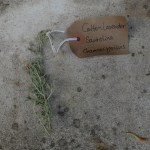
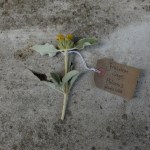
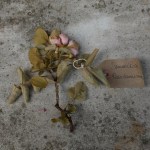
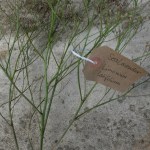
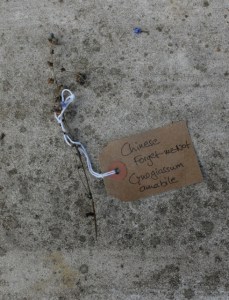
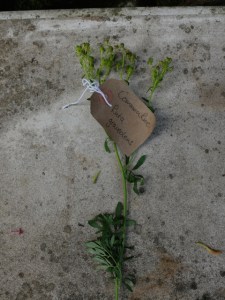
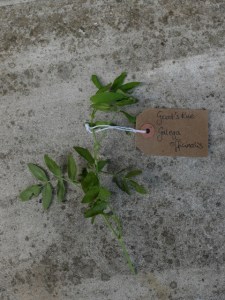
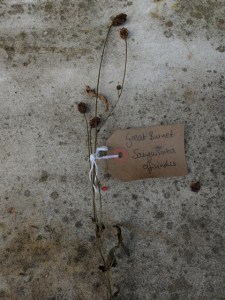
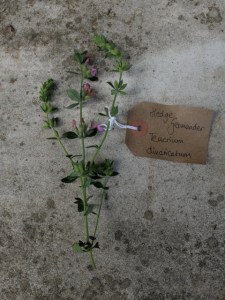
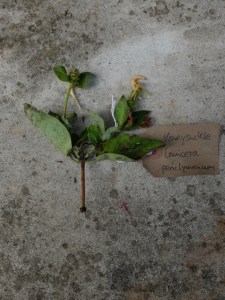
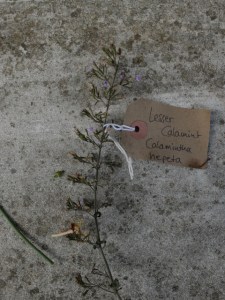
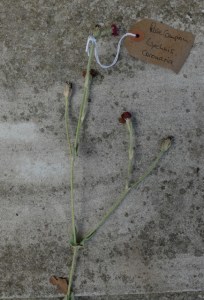
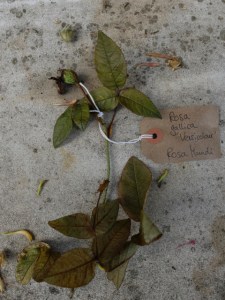
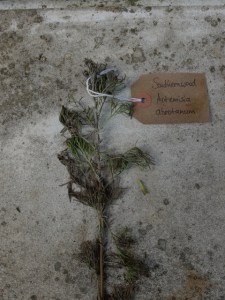
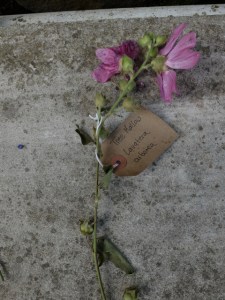
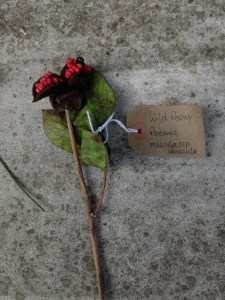
This year’s Fringe walks take in Dunbar’s Close gardens. Earlier this week I found, on one of the stone benches, cuttings of various plants with name-labels attached to them. Here is a selection, with thanks to whoever made them.

Canongate Dunbar's Close 180820 Cotton Lavender  Canongate Dunbar's Close 180820 Jerusalem Sage  Canongate Dunbar's Close 180820 Samask Rose

Canongate Dunbar's Close 180820 Sea Lavender  Canongate Dunbar's Close 180820 Wormwood  Canongate Dunbar's Close 180820 St John's Wort

Canongate Dunbar's Close 180820 Chinese Forget-Me-Not  Canongate Dunbar's Close 180820 Common Rue

Canongate Dunbar's Close 180820 Goat's Rue  Canongate Dunbar's Close 180820 Great Burnet

Canongate Dunbar's Close 180820 Hedge Germander  Canongate Dunbar's Close 180820 Honeysuckle

Canongate Dunbar's Close 180820 Lesser Calamint  Canongate Dunbar's Close 180820 Rose Campion

Canongate Dunbar's Close 180820 Rose gallica  Canongate Dunbar's Close 180820 Southernwood

Canongate Dunbar's Close 180820 Tree Mallow  Canongate Dunbar's Close 180820 Wild Peony


Cotton Lavender    Jerusalem Sage    Damask Rose

Sea Lavender    St John’s Wort    Wormwood

Chinese Forget-Me-Not    Common Rue

Goat’s Rue    Great Burnet

Hedge Germander    Honeysuckle

Lesser Calamint    Rose Campion

Rose Gallica    Southernwood

Tree Mallow    Wild Peony

Reading the Streets: Edinburgh Festival Fringe 2018

Canongate SPL 4
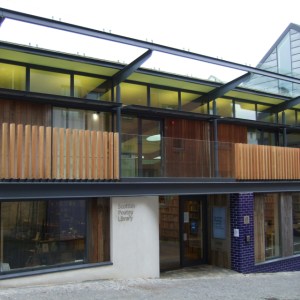
Scottish Poetry Library, Edinburgh

I’m presenting poetry walks on the Edinburgh Festival Fringe again this year, after doing so in 2016 and 2017.

Burns Monument
Burns Monument, Regent Road

As in previous years the walks start and end at the Scottish Poetry Library, off the Canongate near the foot of the Royal Mile. This year’s itinerary includes some sites visited in previous years, including the two nearby graveyards (havens of peace amid the roar of the festival!), while adding new locations, including the Burns Monument on Regent Road. I’ll read some poems I’ve read in previous years, while adding new pieces, including Coleridge’s ecstatic letter to Southey describing his visit in 1803.

Canongate Panmure House from Dunbar's Close garden 2
Panmure House seen from Dunbar’s Close garden

I’m grateful to Valerie Gillies and James Robertson for their permission to include poems they have written about the city. (You can read Valerie’s ‘To Edinburgh’ here.) As well as the linking script, I’ve written a new poem about the philosopher and economist Adam Smith, who lived in the area for the last 12 years of his life, and is buried in the Canongate Kirkyard. (Panmure House, where he lived, has just been renovated by Heriot-Watt University.)

rls-two
Stevenson, from The Strange Case of Dr Jekyll and Mr Hyde (1886)

This year’s walk has the title Reading the Streets, and has as its focus some of the contrasts Edinburgh keeps throwing up. The Old Town / New Town divide is the most obvious and present one, and we’ll cross from one to the other. But there are many others, including at this time of year City / Festival, Residents / Visitors and Local / International. The poems are written in two languages, English / Scots, and since I  include some extracts from diaries and letters there’s a Poetry / Prose contrast too.

Palace Park Parliament
Palace and Paliament against Arthur’s Seat

The new cheek-by-jowl neighbours Palace / Parliament form a contemporary divide, though they’re on the same side in the Historic Time / Geological Time contrast as they look out onto Arthur’s Seat and Salisbury Crags.

NCBG Stevenson vault 2
Stevenson family vault in the New Calton Burial Ground, Edinburgh

I’m also grateful to the Scottish Poetry Library for including the walks in its Fringe programme. They run from Saturday 4 – Monday 27 August, daily (not Thursdays, Fridays) starting at 11.00, and lasting 90 minutes.

Tickets are available from the Fringe box office, and from the SPL via Eventbrite.

Edinburgh Fringe 2016

ABC KC Clarinda grave

I’ve just finished three and a half weeks of walks as part of the Edinburgh Festival Fringe 2016. It was a new experience for me, and an enjoyable one – walking in the city, meeting people on the walks, running into old friends and acquaintances on the High Street while handing out postcards, and getting to know the poems, and the places I’d matched them with, better. And I enjoyed the buzz of checking each morning to see how many tickets I’d sold for that day’s walk.

ABC KC Fergusson statue 2

Highlights? The young couple from Rio, delighted the Olympics had shunted their winter holiday from July to August, which meant they could come to the Edinburgh Festival. Reading the poem ‘Intercession’, written twenty years ago about St Margaret’s Well in Holyrood Park, at the well, to the sound of its water falling. Getting my tongue around 16th century Scots, which turns out to sound less foreign than it looks. And not having to cope with any serious rain; drizzle, yes, but the heavy stuff, when it come, always fell an hour or two before or after the walk.

ABC KC Holyrood 3

Thanks to everyone who came on the walks, all 150 of you. Thanks to Alice and Tamsin for the photographs here. And now I have the next five months to mull over whether I’ll do it all again next August.

TG SPL