Back in 2017 I posted an A-Z of Edinburgh poetry. This summer I thought I’d do another, so in the run-up to this year’s Fringe poetry walks I started posting on instagram and Facebook. This post summarises the last letters; click through if you want to the posts for A-H and I-Q.
R is for Ransford
S is for Snow
T is for To / two / Time
U is for Underwoods
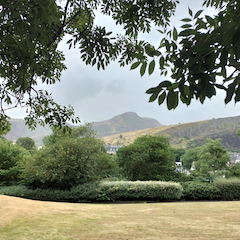
V is for Views and Vistas
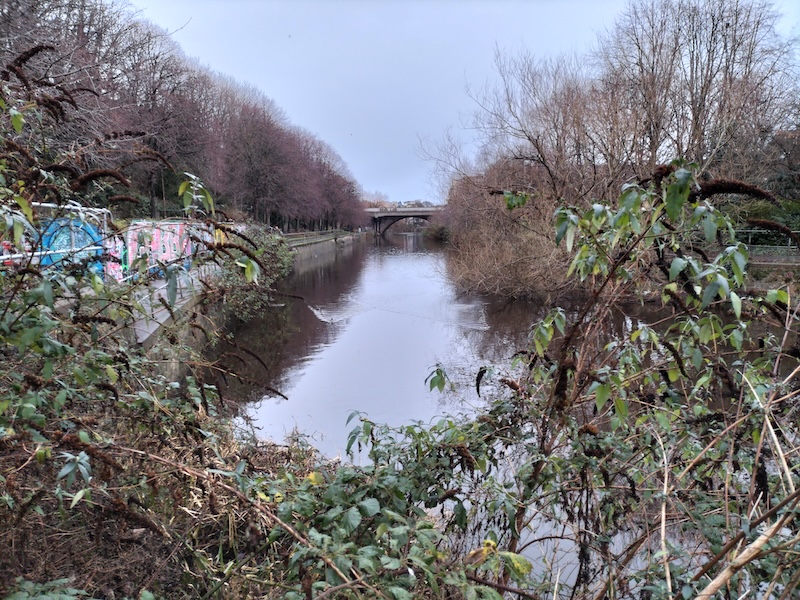
W is for Water of Leith
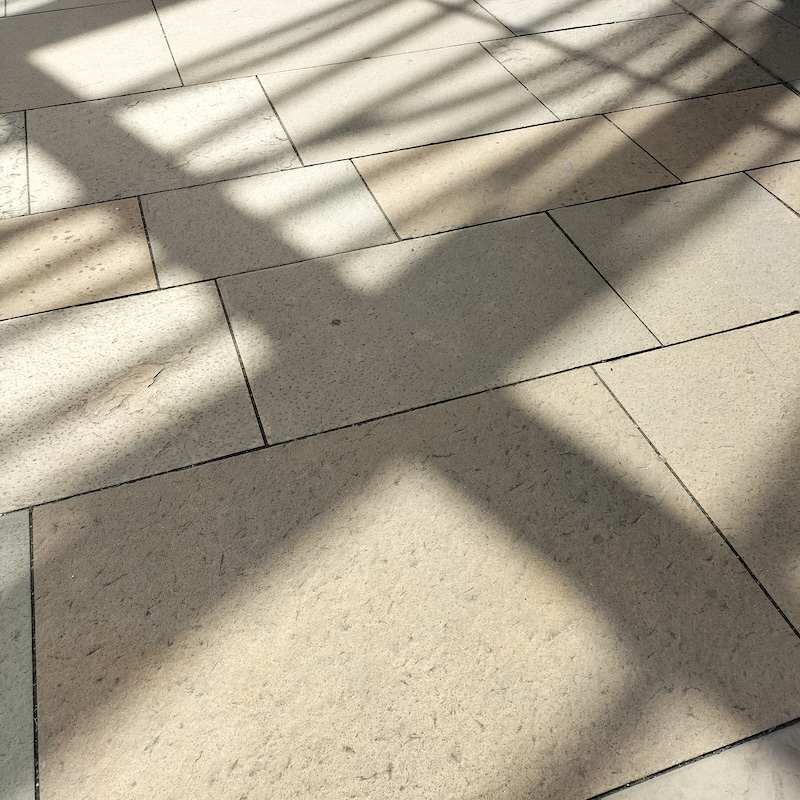
X is for a crisscross shadow
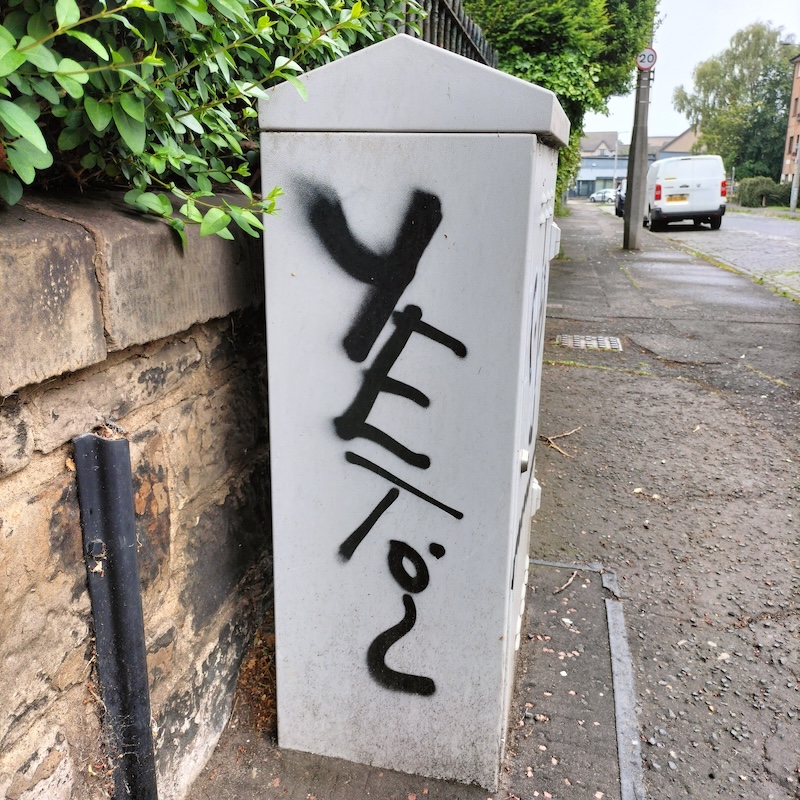
Y is for Yet
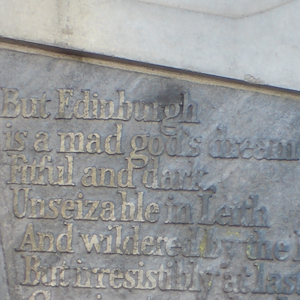
Z is for unseiZable
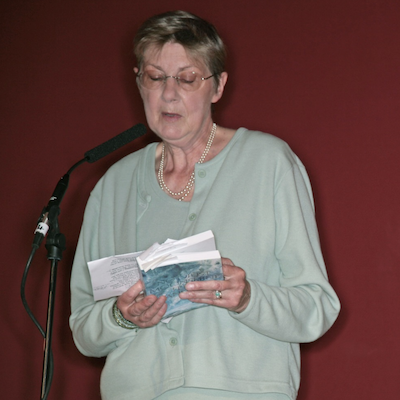
Tessa Ransford was a poet and founder of the Scottish Poetry Library. She was its its first Director from 1984-1999.
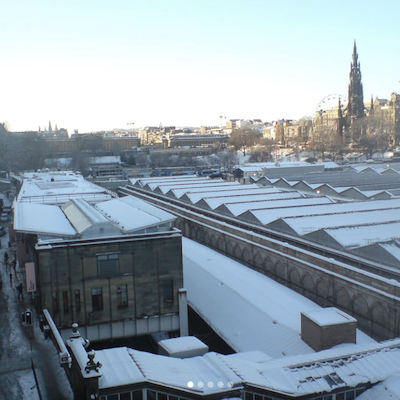
S is for Snow. The photos are from the chill winter of 2010-11.
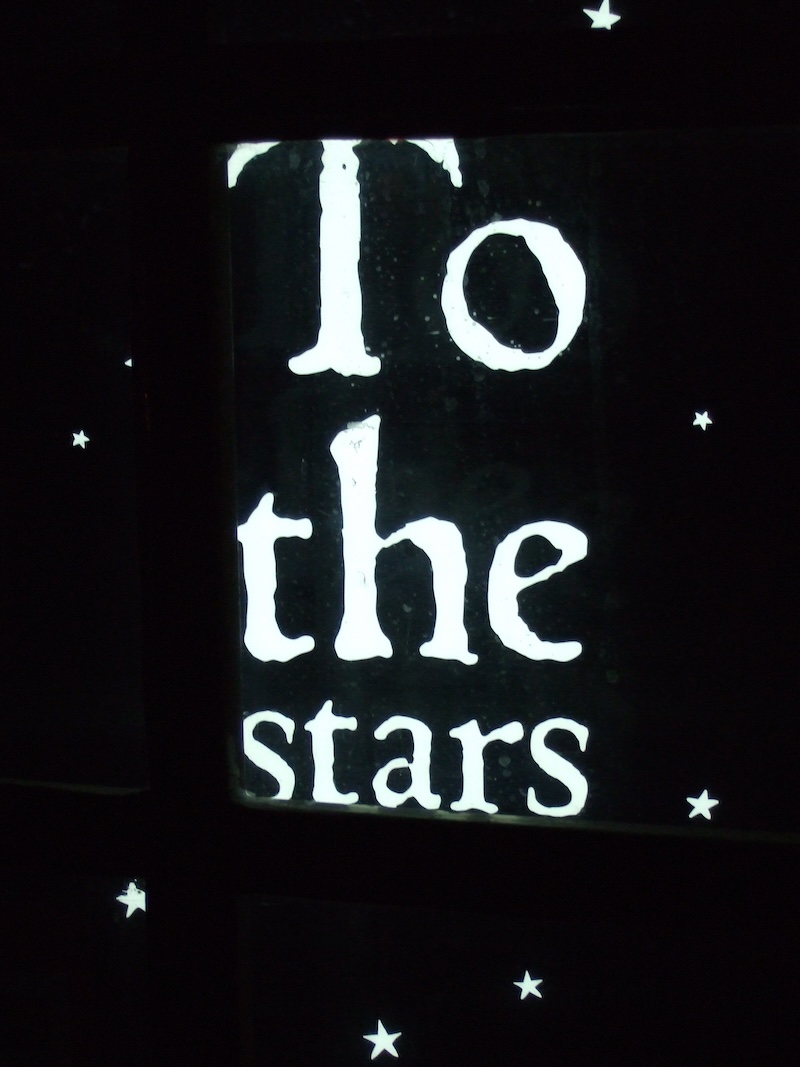
‘To the stars’: The Canongate’s historic motto is sic itur ad astra from Virgil’s Aeneid. In his Chronicles of the Canongate, Sir Walter Scott translated the motto as ‘this is the path to heaven’ and it is elsewhere rendered as ‘thereby shall we go to the stars.’
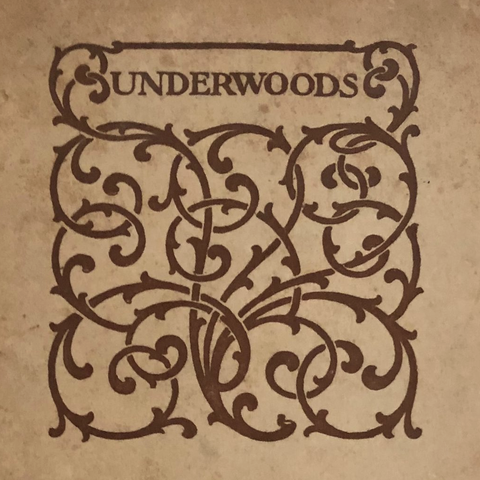
Underwoods, an 1887 book of poems by Robert Louis Stevenson, borrowed its title from Ben Jonson, whose own ‘Underwoods’ gathered ‘lesser poems of later growth’, which, according to the critic (and RLS’s friend) Edmond Gosse, had sprung up ‘between the more massive timber of his plays’.
V is for Views or Vistas; here, Arthur’s Seat seen from Regent Road Park.
The Water of Leith, Edinburgh’s modest river, skirts the centre; here is a stretch not far from its mouth at Leith.
This X appeared outside the Scottish parliament building yesterday: a monochrome Saltire, a vote, a marking of the spot, a Muskless redemption.
Y is for YET, a graffiti tag followed by lines from poems relating to the Old Town which happen to contain the word.
I picked out the Z in a MacDiarmid poem, ‘Edinburgh’, inscribed on the Canongate Wall at the Scottish parliament building, which includes the lines ‘But Edinburgh is a mad god’s dream, / Fitful and dark, / Unseizable in Leith / and wildered by the Forth’.
 Poems on the page and in the world