All posts by Ken Cockburn

Ken Cockburn is an Edinburgh-based poet, translator, editor and writing tutor.

Spring Shoots – Readings in April & May

After a long hibernation, the days are getting longer and several events in the diary are getting closer.

B&J approach Rasaay

First up is a launch event for Out of Books, with Alec Finlay, on Thursday 11 April at 6.30pm, at the Scottish Poetry Library, and a second event as part of the Boswell Book Festival at Auchinleck, Ayrshire, on Sunday 19 May. Out of Books is collaborative project inspired by Boswell and Johnson’s 1773 journey across the Scottish Highlands and Islands. Taking their texts as their guides, we’ll set out to revisit particular landscapes and recover particular views. Over the summer and along the route we will host a series of events inspired by their antecedents’ famous journey, with further events in and around Inverness, on the Isles of Skye, Coll and Mull, and in Inveraray.
snapdragon11-1

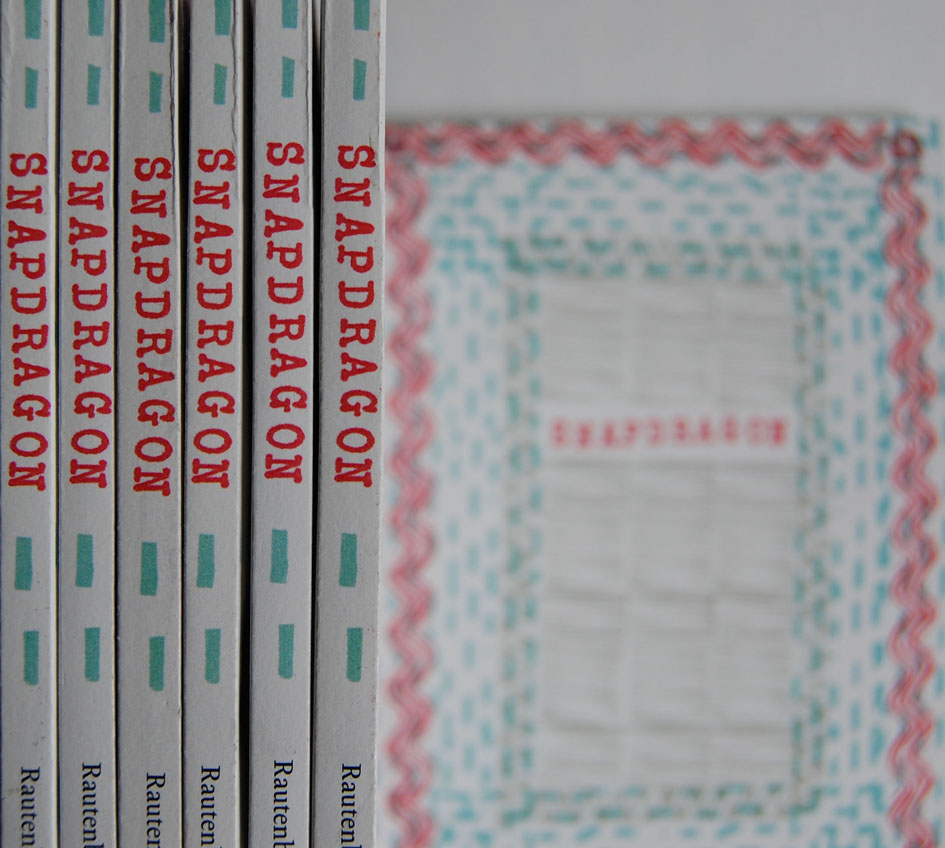
Barrie ‘Caseroom’ Tullett is visiting Edinburgh for the Fruitmarket Gallery Book Fair on Saturday 20 April. I’ll do a stint on the table as well, and read something from Snapdragon about 12.30.

Arne Rautenberg

Arne Rautenberg is visiting Scotland later in the month, and we’re doing two readings together – at the Goethe Institut in Glasgow on Tuesday 23 April at 6.30pm, and at the Edinburgh Bookshop the following day at 7.30pm (this is the Facebook page about it).

cherry blossom 2

In May, I’m leading two poetry walks in the Royal Botanic Garden Edinburgh, on Saturday 11 and Sunday 12, both at 2.00pm. Content still to be decided, but certainly some Chinese classics, haiku, maybe Burns in rural-floral mode, something from The Road North

Apollo shadows

And finally, a reading with Pierre Joris and Lila Matsumoto at Little Sparta on Sunday 26 May at 5.00pm, linked to the University of Glasgow’s Assembling Identities conference. Tickets are available here.

Perhaps the snow will have melted from the Pentlands by then.

Snowy Pentlands, April

Autumn leaves

Autumn seems to be the time translations appear – a smaller crop than last year’s, but there are two publications to mention. No Man’s Land, the online journal for German writing in English, has published my translations of Arne Rautenberg – several haiku, and ‘gingko leaf fairy tale’, about coming across a pressed leaf in a copy of Grimm’s Fairy Tales. Those poems, and many more, are included in Snapdragon.
The recent issue (3:18) of Modern Poetry in Translation is on the theme of Transitions. It’s the last to be edited by David and Helen Constantine, who share this issue with their successor, Sasha Dugdale. I’ll be sad to see them go – they have consistently published work of interest from a generous range of poets and translators, and have been very supportive of my work, taking versions of Thomas Brasch, Thomas Rosenlöcher and Heiner Müller. This issue features translations of three poems by Heinz Czechowski (1935–2009), a writer I’ve just discovered this year, and who skillfully interweaves his private and public selves, the historical and the contemporary, the literary and the mundane. You can read one of the poems here.

Beside them are other translations of Czechowski by Ian Hilton, a former professor of Germany at Bangor University, who has known his work for much longer than I have, and who many years ago met the poet on the eastern side of the Berlin Wall.

Letterpress & Typewriters

I spent Saturday at the Scottish Poetry Library in Edinburgh. They were running their annual bookfair, By Leaves We Live, and it must have been one of the best attended ever. I was mostly at The Caseroom Press table with Barrie Tullett, who brought a small selection from his typewriter collection to display, and be used. They were joined by Edwin Morgan’s Blue Bell (part of his archive held by the SPL), and a red Olivetti Valentine, which Angus Reid had bought for his daughter in a Stockbridge charity shop for a tenner, but which drew admiring and even covetous looks from those that know about typewriters.

Barrie recently drew on the old Pepsi advert to write a text about LETTERPRESSIN’, which he letterpressed as a poster, and asked if I’d contribute something similar about POETRY. I obliged, and the result is above. It’s in an edition of 25, at £25.00 each, and copies are still available from the SPL.

A good day of conversations, rounded off with a party for Hamish Whyte’s Mariscat Press, now thirty years young and still going strong.

Mine, Mayfield, Midlothian

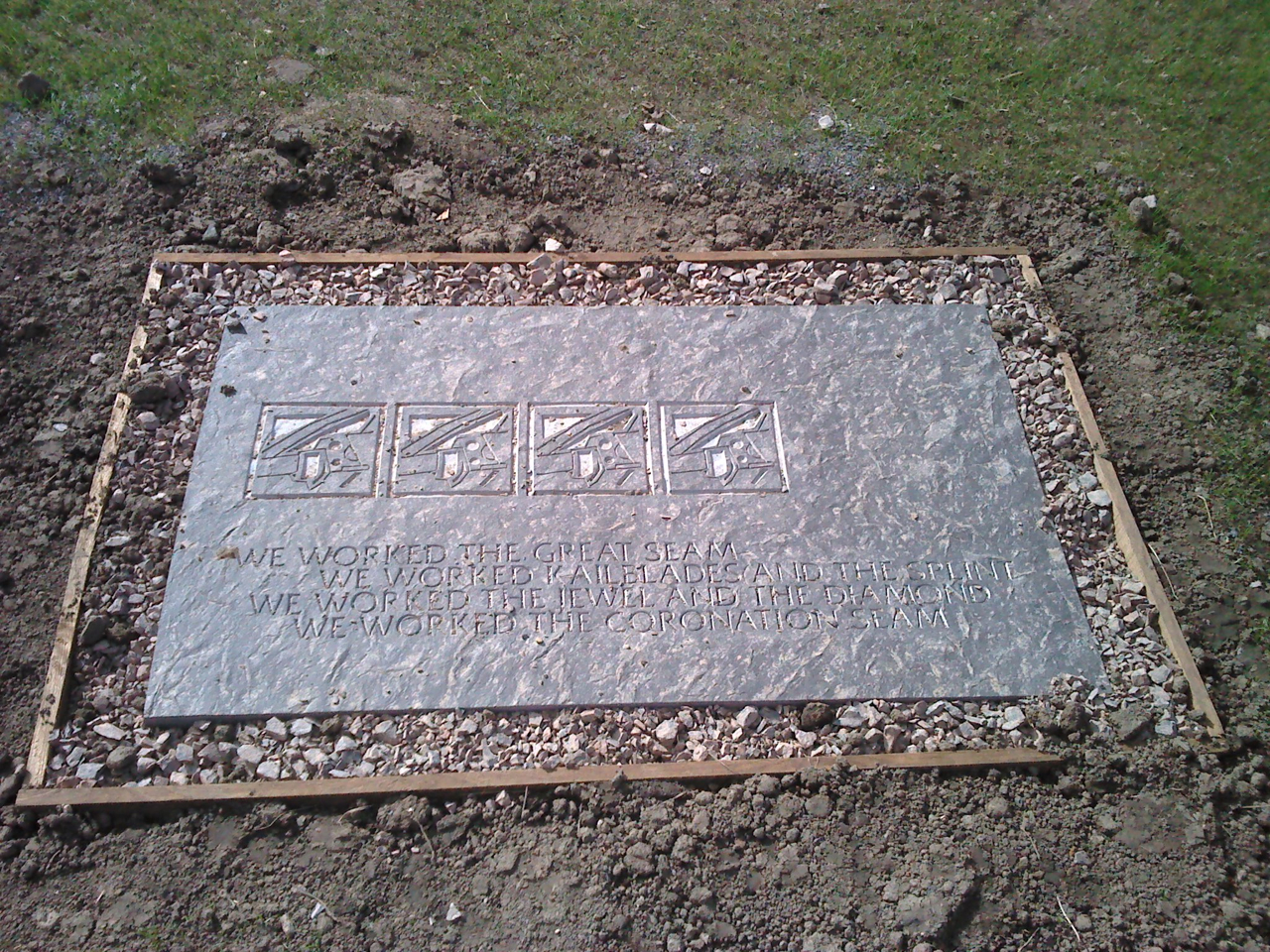
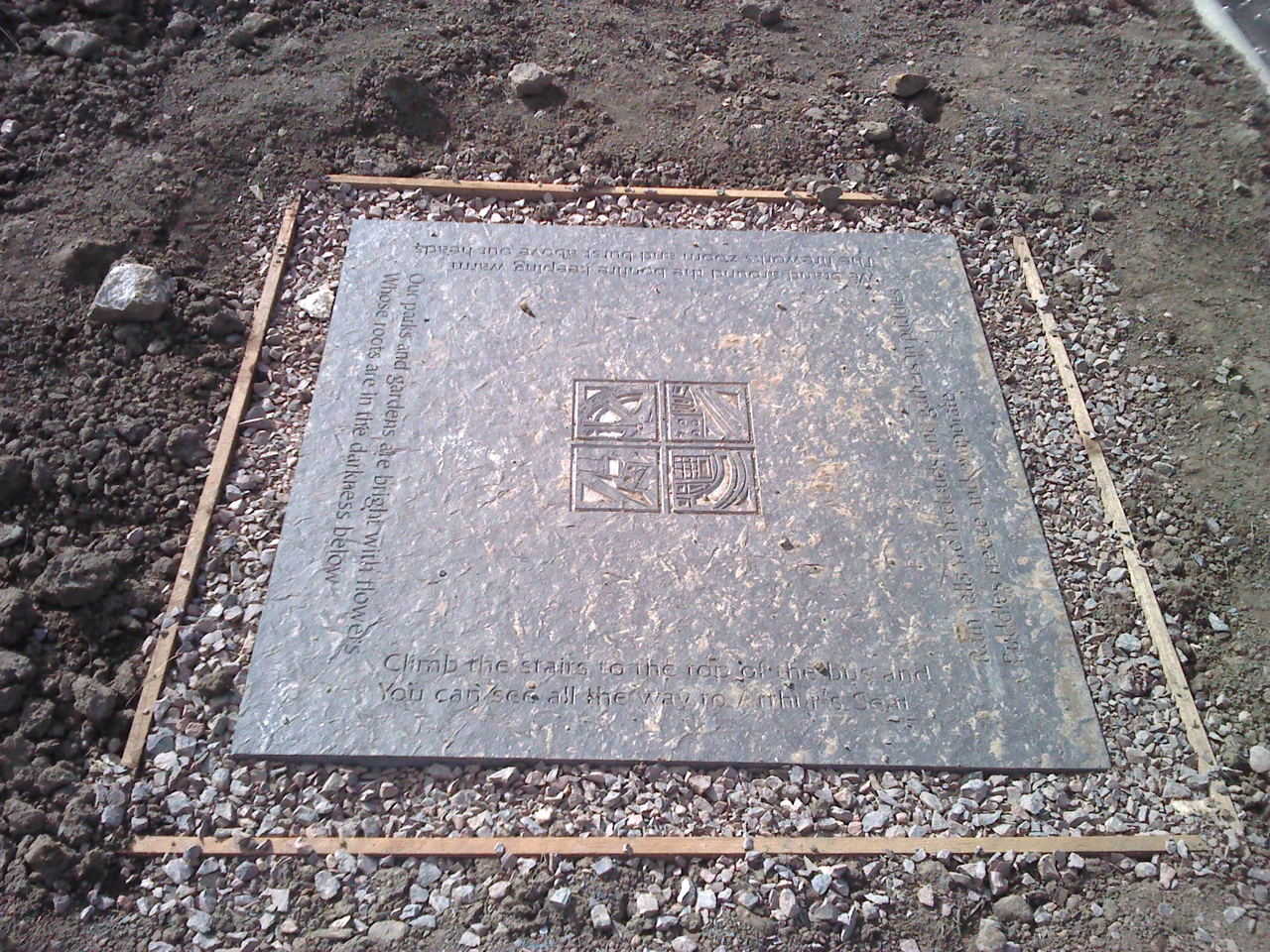
Mine was a recent commission from Melville Housing Association for a new housing development at Langlaw Road, Mayfield, Midlothian. I worked on it with sculptor Susheila Jamieson, and P7 pupils from Lawfield Primary School. (This is a new building – the housing development is on the site of the old school.) The work was to be on the theme of mining, once the main industry in the area, and back in May Susheila and I visited the Scottish Mining Museum at nearby Newtongrange with the pupils.

Back at school we worked with the kids on drawings and texts, based on what they’d seen at the museum, especially some of the big pieces of equipment.

Stone : Four Elements (detail)

For the works, Susheila settled on five works in stone featuring texts I’d written, along with details from the drawings.

The texts were based either on work by the pupils, or on historical sources. Four of these were made using Caithness flagstone; three of these are laid flat on the ground, and one is a letter-day standing stone. ‘The wisp’ was a piece of lit straw, which at one time was the simplest way of letting those down below know their shift was over.

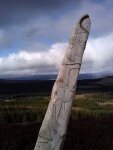
The fifth uses a boulder found on site, the top of which has been smoothed flat. It sits in an as yet unfinished playpark, with views across the estate to the Pentland Hills in the distance.


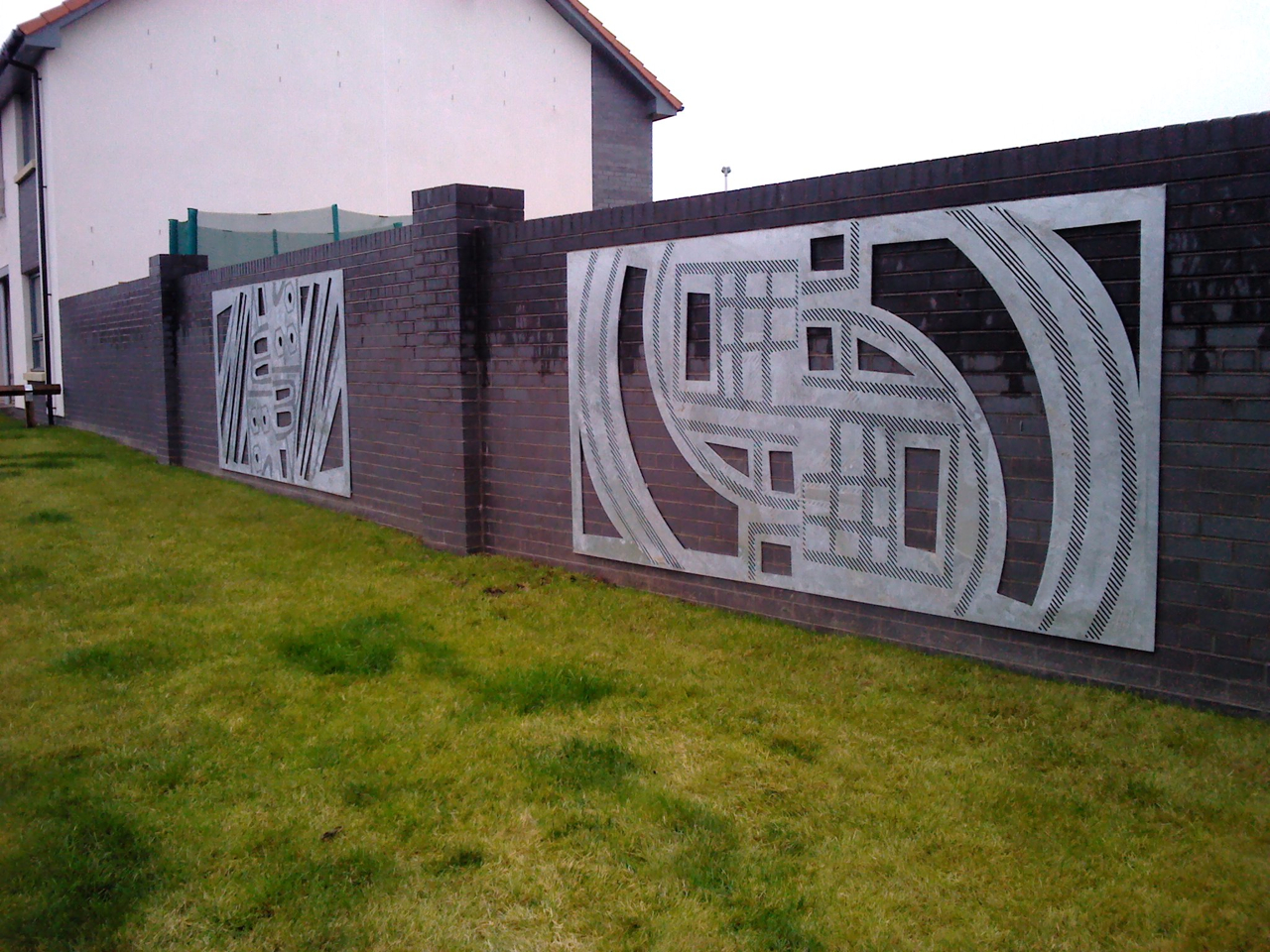
Susheila also made large metal panels to be hung on walls either side of the main entrance, and smaller panels for walls inside the estate, based on drawings of machine parts the kids had made at the museum.

Mine was opened on Tuesday 18 September by Margaret Burgess MSP, Minister for Housing and Welfare.

Snapdragon

Snapdragon is a newly published collection of my translations of poems by the German writer Arne Rautenberg, made over the past decade. Arne lives in Kiel, where I’ve visited him on several occasions, and he has been to Scotland twice, in 2003 and 2007.

As all books are, it is a collaborative effort. I was introduced to Arne by Alec Finlay, who has written the cover blurb above; Stewart Conn heard Arne and me read in Edinburgh and 2003, and his poem ‘Translations’ describing that occasion is included; the book is designed and laid out by Barrie Tullett, with whom I’ve worked on many projects over the years; and the cover was designed by Jantze Tullett, Barrie’s wife.

The ladybird
On the hibiscus flower
In the ashtray

(Haiku)

The poems are fomally varied: monologues, lists and fairy tales – haiku, double haiku and football haiku – one-word poems, nudges and inversions. They are presented as parallel text, German on the left and English on the right.

Between turbulence
And the monstrous rivets
A beckoning home.

His gaze deep in the
Rear wheel of a juggernaut
Thundering on by.

(from ‘Kiel After Rain’)

I mention my choice of title in the Afterword: “I settled on Snapdragon as it seemed to sum up much of Arne’s work: a flower-name, so a word that’s rooted in the real, something delicate and beautiful; yet also with outlandish and unsettling associations.”

The formal details are:
published by The Caseroom Press, 180 x 125 mm, 64 pages, ISBN 978-1-905821-21-1, cover price £5.00.

A review by Lesley Harrison has appeared in Northwords Now, no.22 (if you download the pdf, it’s on p.22). “I don’t speak German, but the English versions conjured very clearly a city-world still recovering from war, and Cockburn’s clipped, wry translations seem to be a perfect window to it, both clever and compelling.”

Arne Rautenberg, Glasgow, 2003
Alec Finlay & Arne Rautenberg, Newcastle-upon-Tyne, 2007
Ken Cockburn & Arne Rautenberg, Kiel, 2008 (photo by Birgit Rautenberg)

~in the fields

After our collaboration on Ink, I’ve had the pleasure of working again with ~in the fields, and written texts for two works in their current show at New Media Scotland, Inspace, part of the Edinburgh Art Festival 2012.

Yen To See Distant Places features ‘3D’ images – images literally made up of three layers, that is background, middleground and foreground, or ‘The Sublime’, ‘The Beautiful’ and ‘The Picturesque’. There are fifteen of each, so 45 in total, presented in the gallery on stands, and they can be physically moved. When three are placed in a particular spot on the floor, they are ‘read’ by sensors, which create on a screen a three-part composite image.

from steep and solitary rocks, to
groves deep and high—
an air of majesty and dejection
*****
from gloomy raptures, to
the lonely down—
sepulchral yew

Each ‘ground’ also has its own associated line of text, and beneath the composite image a composite three-line text appears. Just as the ‘grounds’ are adapted from 19th century engravings drawn mainly from Sir Walter Scott’s ‘Provincial Antiquities and Picturesque Scenery of Scotland’, so the lines are drawn from 19th century texts, especially Scott’s. I think of these little three-liners as ‘Romantic haiku’. The composite images (though not, sadly, the texts) are then transmitted to St. Andrew Square where they can be viewed through a telescope located by the Edinburgh Art Festival pavilion.

Drifts Through Debris is a modern take on the 16th century book wheel of Agostino Ramelli. Ramelli’s wheel was made to allow comparisons to be made between different texts – you could have several books open at a time, and by turning the wheel you could compare and contrast their contents.

This wheel features video screens, and draws attention to the growing problem of oceanic plastic pollution. Footage includes archive material from the 1940s extolling the virtues of plastic as a way of utilising what would otherwise be waste products, and responses by two dancers – Sue Hawksley and Tony Mills – to images of sea-creatures constrained in various ways by plastic debris.

I wrote texts to the same images, and extracts from these are presented as part of the soundtrack to the video loops. The wheel is made of steel, with spaces at the hub for small projectors – a clever piece of contemporary design – but you turn it by pulling on handles made of driftwood, so it also has a nice tactile element to it.

The third work in the show is A Diagram of Floating Stones – in tall, thin aquariums, lace-knit wrapped stones from Shetland beaches are given buoyancy by plastic found on the same beaches.

I think it’s a great show – conceptually and visually strong, a fascinating mesh of old and new technologies, and acknowledging the gallery visitor as active participant rather than passive consumer. There are pictures of the opening, and of the works, here.

Sixteens

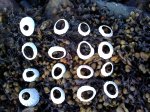
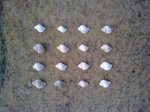
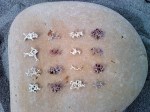
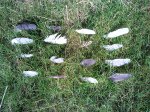
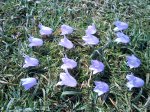
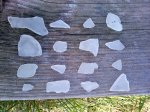
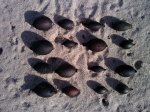
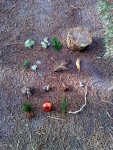
Sixteens: for Isobel is a project featuring simple, formal arrangements of related found objects, made for Northlight Dunbar 2012, and presented at the Beach Hut, Dunbar Harbour.

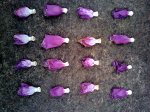
I developed the practice of making Fourteens in summer 2010 as part of The Road North. On my daughter’s fourteenth birthday I was on Skye while she was in Edinburgh, so to mark the occasion I picked, arranged and photographed fourteen yellow ragwort heads, and e-mailed her the image. This soon became a way of enabling Alec Finlay and myself to focus on things we came across – including berries, flowers and mushrooms.

Two years on, and I’ll be with my daughter on her birthday. But I’ve been making Sixteens anyway, sixteen related found objects arranged as a four by four grid, and photographed in situ. I’ve made sixteen such arrangements and photographs, retaining one item from each, which is displayed in the beach hut alongside the photos. The items compose a seventeenth Sixteen, derived from its predecessors (just as in a ‘crown of sonnets’ the fifteenth sonnet is composed of one line from each of the previous fourteen).

I made eleven Sixteens before my week in Dunbar, on recent trips to Moray and Orkney, and the remaining five were made on a walk along the John Muir Way east from Dunbar towards Torness power station.

With thanks to Angus Reid and Lorna Irvine for their contributions.

Northlight Dunbar

I’ve been working in East Lothian this week, at Dunbar. As part of the Northlight ‘creative season’, I have mini-residency at the beach hut by the harbour.

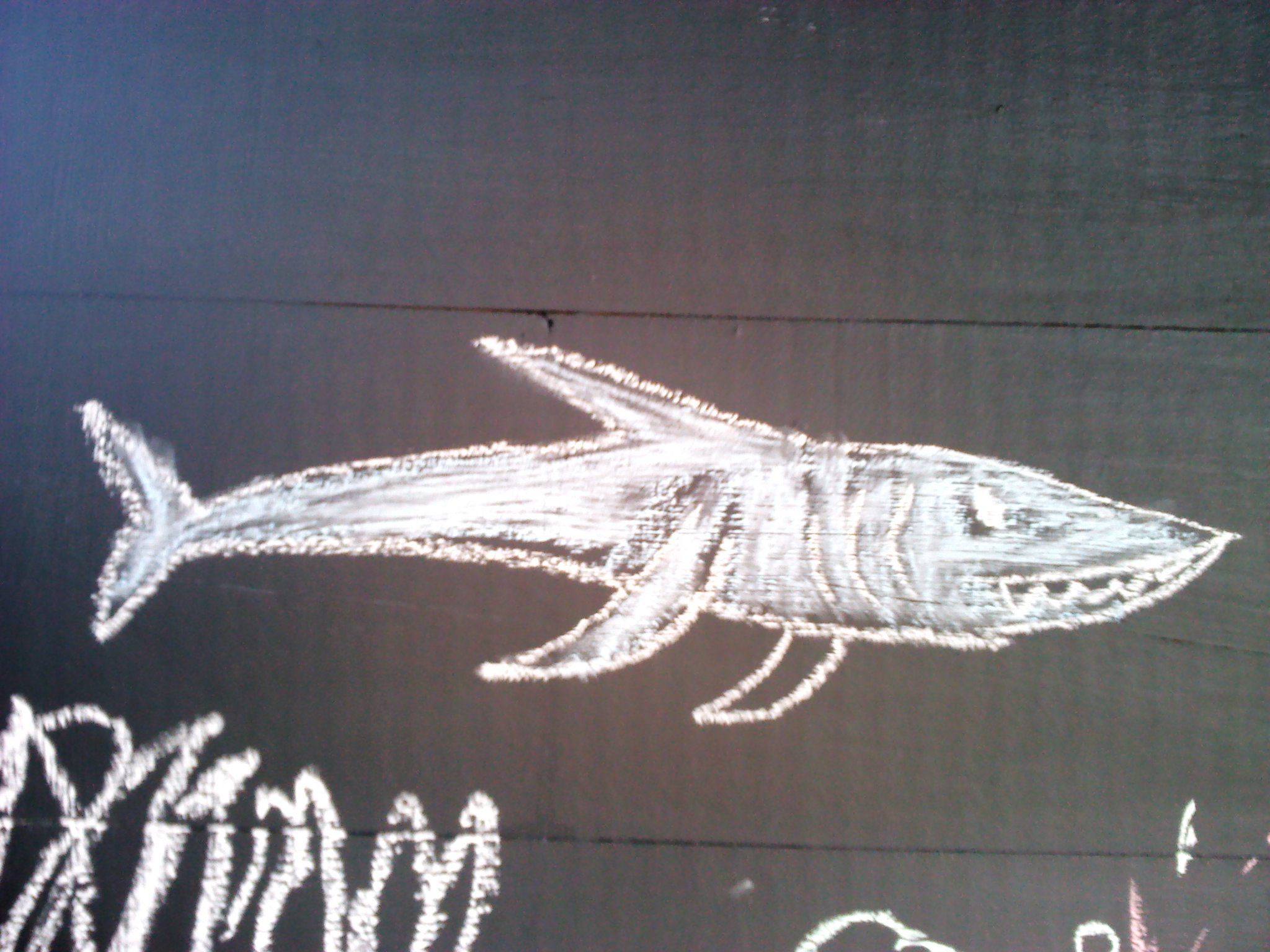
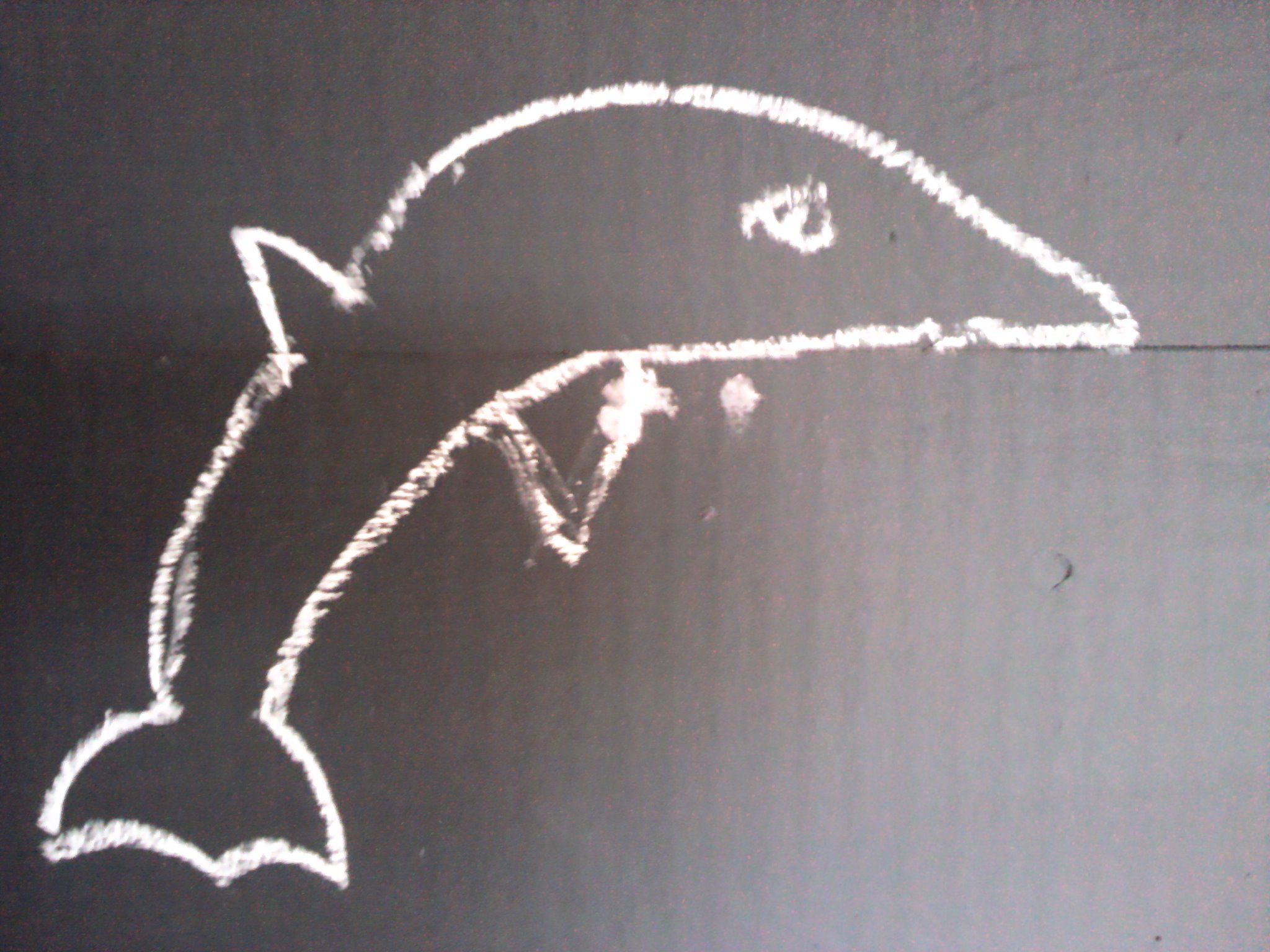
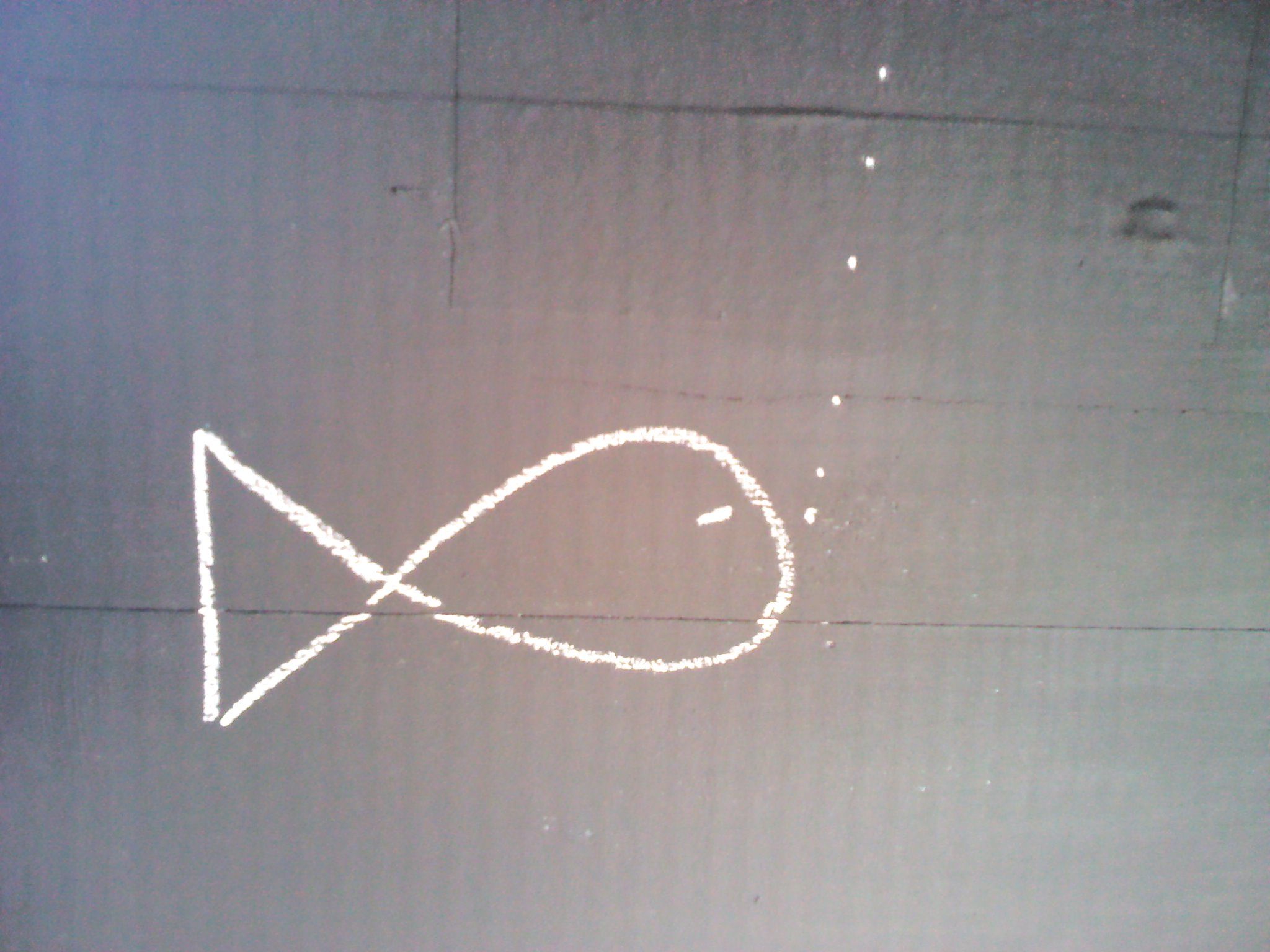
These sea-creatures were drawn last week, and sadly are no more.

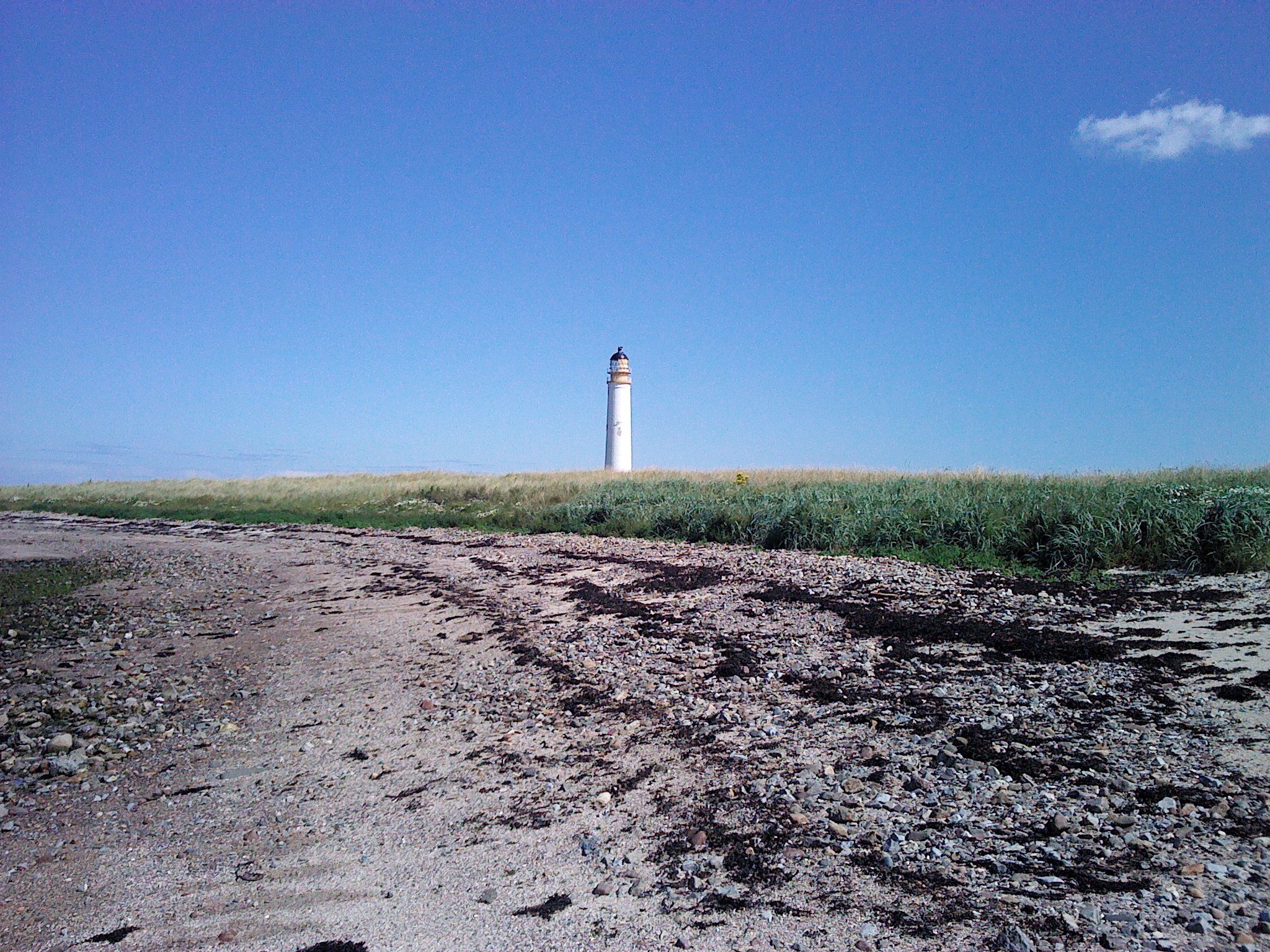
In the hut I’m showing ‘Sixteens’ – more on that tomorrow. Yesterday I walked the John Muir Way east from the harbour towards the lighthouse at Barns Ness, and on towards Torness power station.

There’s a poetry and music event on Friday night (10 August) – details here.

Abriachan Forest

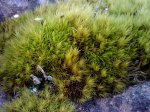
A belated post about a couple of days I spent at Abriachan Forest, just above Loch Ness, back in March, walking and writing in the forest. Day 1 was working with folk from APEX Scotland, and Day 2 was organised by Moniack Mhor Writers’ Centre. On both days we did a range of things – making ‘sixteens’ in the woods, labelling the landscape, looking close-up at the lichens on a glacial erratic, reading Boswell and Johnson, who’d ridden down the other side of Loch Ness on 30 August, 1773, and writing back at the forest ‘classroom’ over cups of tea. My thanks to Suzann, Christine, Cynthia and everyone else who joined us over the two days.

Les Citadelles


Alec Finlay and I have been working on a long poem about the journeys we made for The Road North, and two extracts have been translated into French, and published in the most recent edition of Les Citadelles. Philippe Démeron is the journal’s editor and also the translator, and he has chosen the poems ‘Loch na Tormalaich & Loch Duilleag-bhàite, Kilbride, Argyll’, and ‘The Groves of Isle Maree, Wester Ross’. Our swim among water-lilies,

shucking tangled legs
through greasy stems
I kick a lap
among the stars

becomes in Philippe’s French

pour dégager mes jambes empêtrées
dans des tiges gluantes
je donne un coup de genou
dans les étoiles

while this is our tree-list from Isle Maree and its French equivalent:

birch and chestnut
alder and beech
willow and dog-rose
sycamore and juniper

le bouleau et le châtaignier
l’aulne et le hêtre
le saule et l’églantier
le sycomore et le genévrier

We are in good company: elsewhere in the issue are poems by Kenneth White, Derek Mahon and John Montague, as well as an essay on the recent Nobel laureate Tomas Tranströmer, and poems by contemporary French poets including Armelle Leclerq and Roger Lecomte.

Armelle and Roger were my original connection to Les Citadelles. I met them in Bratislava in 2006, when we were all invited to read at the festival Ars Poetica. Roger is on the editorial board of Les Citadelles, and from that initial contact Philippe has translated and published several of poems in the magazine, for which I’m very grateful.

The magazine doesn’t have its own website, but click here for information about this issue, and here for more general information about the magazine. (Both pages are in French.)

The cover price is €10, and the ISSN is 1253-0557. (At time of writing, I have a spare copy, which I’m happy to send to the first person who requests it.)