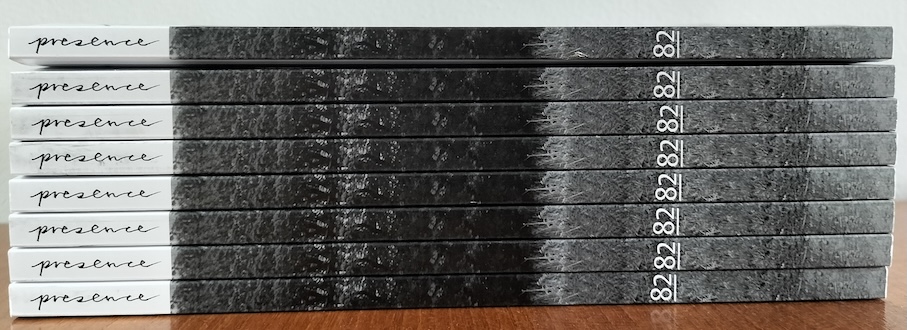
Our first issue (#82) appeared at the end of July, and we’re currently open for submissions for #83 – until the end of September, with the magazine due out towards the end of November.
We’ve changed a few things, but kept a lot the same, including the sequence of the contents – starting with tanka, having the haiku in seasonal sections (concluding with a no-season section) and interspersing these with haibun. The magazine closes with an essay and a substantial Reviews section, and we’re grateful for the continuing work of Judy Kendall and Julie Mellor in commissioning and compiling these.
Matthew Paul continues to manage the website.
As for the changes, we’re delighted that Barrie Tullett has brought his designer’s eye to bear on the parts and the whole. We’ve reduced the number of poems we publish too, so that those we do select are given more room on the page.
And Sean O’Connor will join us from #83 as Haibun Editor.
You can buy individual copies or take out an annual subscription (which buys you three copies) here.
I’ve been out taking photos of lines and stanzas from poems I read on the poetry walks, at the places where I read them.
I’ve been posting these on my Facebook and instagram pages, but thought I’d gather a few of them here.
S.T. Coleridge at the Black Bull, Grassmarket
Gavin Douglas at Gladstone’s Land, Lawnmarket. The ‘soir gled’ is the red kite; the surname of the man after whom Gladstone’s Land refers to a ‘gled stane’, or kite’s stone, hence the golden raptor on the building’s front.
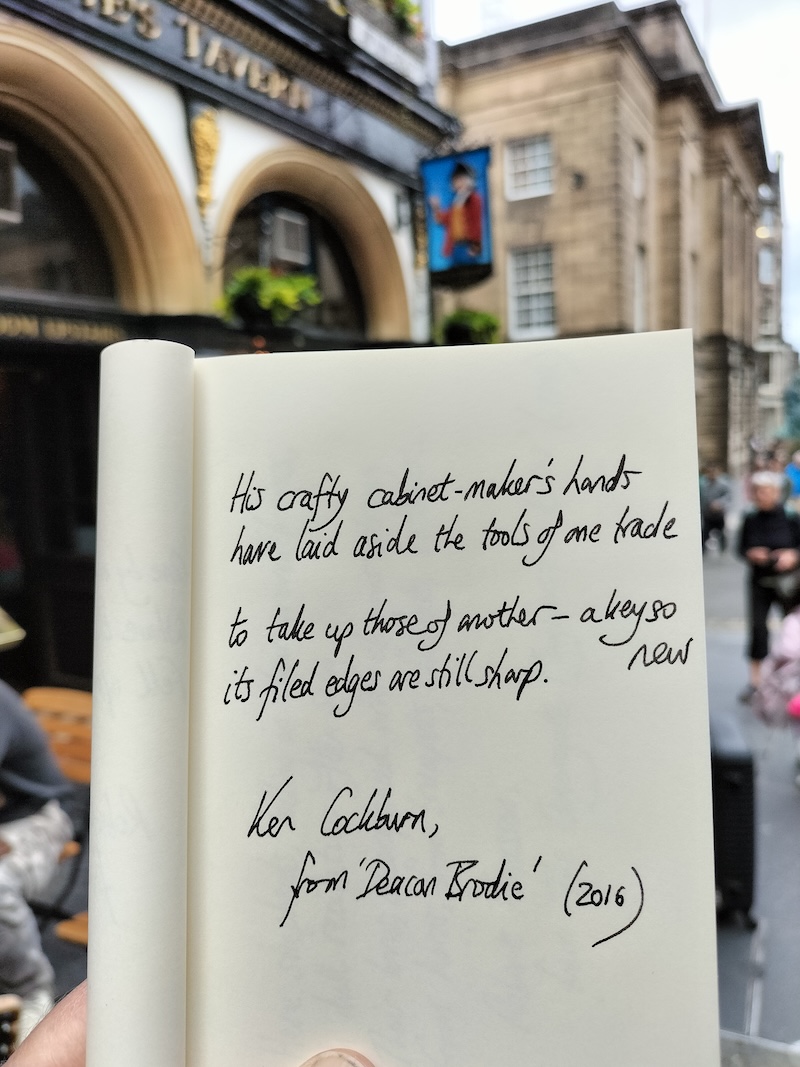
Ken Cockburn at Deacon Brodie’s pub, Lawnmarket
Angus Reid at The Scottish parliament building, Holyrood Road
Robert Fergusson at the Palace of Holyroodhouse
RLS at the High Kirk of St Giles, Parliament Square
I’m aware I haven’t posted here for quite a while, the main reason being that I’ve got into the habit of putting out my news in other ways, mainly regular posts on instagram, and an occasional newsletter sent out via Mailchimp.
You can find the last newsletter, which I sent out at the start of May, here. This is the introduction:
I’ll be leading poetry walks on the Edinburgh Fringe again this year, for the first time since 2019. – Along with Rod Burns and Becky Dwyer, I’ve become co-editor of Presence Haiku Journal, established by the late Martin Lucas and edited since 2014 by Ian Storr. – I have work in a forthcoming exhibition at MOCA Dunoon, paying tribute to Ian Hamilton Finlay whose centenary falls this year. – I’m leading a walking renga at Glasgow Botanic Gardens on Sunday 25th May, i.m Gerry Loose. – Plus a short poem published recently in Poetry Scotland.
If you want to read more about any of these, you can find the mailing here.
And if you want to sign up to receive future mailings, you can do so below.
If instagram is your thing, there I’m @kencockburnedinburgh Last year I took a different theme each month, which turned out to be a lot of work, and this year I’m posting on a more ad hoc basis.
Processing…
Success! You're on the list.
Whoops! There was an error and we couldn't process your subscription. Please reload the page and try again.
There are two prints of individual poems, both published but uncollected.
I wrote ‘Hands’ in 2014, when I was working for the first time in care homes; it’s based partly on what residents told me they’d used their hands for, and partly on my own experiences and memories.
‘Close’ dates from 1996; it’s a poem I put aside, but I rediscovered it when I used it for a poetry walk a few years ago, and now I’m very fond of it. It’s a moment that’s long passed – my daughter has grown up, the ‘newspapermen’ have gone and buses no longer run along that stretch of the Mile – so in it’s way it’s become a historical document.
There are also two books – a single-poem artist’s book, and a little Edinburgh anthology.
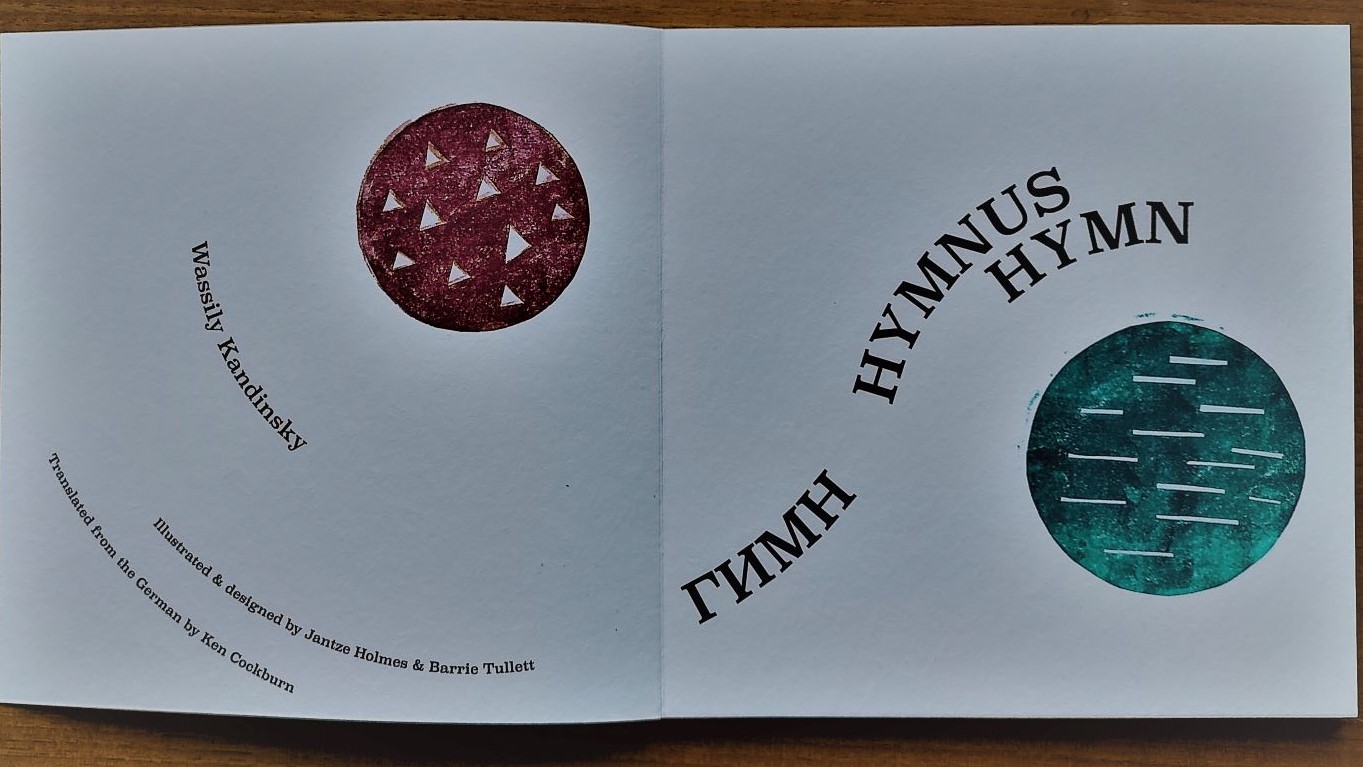
Позже / Später / Later features a single poem by Wassily Kandinsky from his 1913 book Klänge. It’s the second in an ongoing series from The Caseroom Press – the first was Гимн / Hymnus / Hymn, published in 2022. This post from the time shows that book, and gives some background about Kandinsky’s book and the current project.
Wale comprises my selection of quotes about Edinburgh from over the centuries. The title is from Robert Fergusson – ‘Auld Reikie, wale o ika toun / That Scotland kens beneath the moon!’, ‘wale’ meaning the choice, the pick, the best. The cover image shows a detail from the paving outside the Scottish parliament building.
If you’d like copies of any of these, please get in touch via the Contact page.
‘Hands’, A3, £10 ‘Close’, A4, £5 Wale, 107x107mm, £5 Позже / Später / Later, 220x220mm, £20 P&P will be added to the above prices.
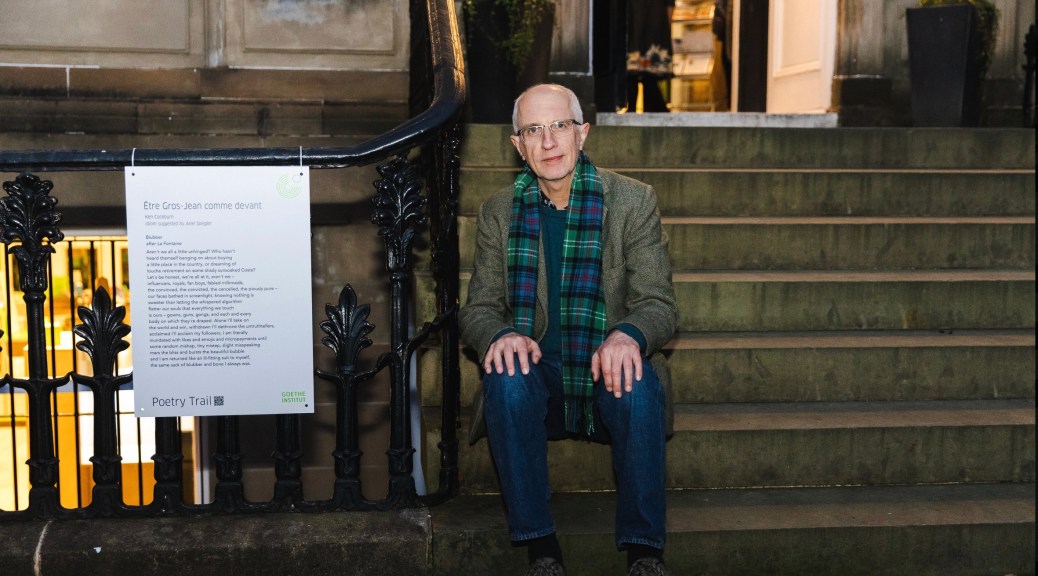
This year is the Goethe-Institut Glasgow’s 50th anniversary, and they have organised a poetry trail of poems by German, French and Scottish poets (they share their splendid building in Park Circus with the Alliance Française, itself 40 years here). The trail runs through the building itself into the garden and through the gardens outside.
The idea was that every poet (there are 12 involved, four from each country) provides an idiom from their own language, explaining both the literal as well as the idiomatic meaning, and this was then passed on to a poet writing in a different language. The commission was write a poem responding to or re-imagining that idiom.
I was given the French idiom ‘être Gros-Jean comme devant’, which came with these comments: “it’s quite archaic, and means to have had high hopes and yet to find yourself back in the same position as before. ‘Gros-Jean’ gets used to mean a common man, a boor, and literally the expression means ‘to be a common man like before’ (and of course in the French it rhymes!).”
A little online searching showed it concludes one of La Fontaine’s Fables, ‘La Laitière et le Pot au lait’, or ‘The Milkmaid and her Pail’, which also includes the memorable line about building castles in Spain. The fable – poetry, not prose – is in two parts, the first a narrative describing the milkmaid and her increasingly extravagant visions of success before she drops the milk she was going to sell and ends up with nothing, while the second part is a reflection on the narrative. I ended up writing a very loose (and expanded, 19 lines to the original 14) translation of that second part. The opening couplet,
Quel esprit ne bat la campagne? Qui ne fait chasteaux en Espagne?
Englished as
Many this fond delusion share And build such castles in the air… (trans. Thomson, 1884)
and
For, who never dreams of riches like rain, Who never builds castles in Spain? (trans. Ponsot, 1957)
becomes
Aren’t we all a little unhinged? Who hasn’t heard themself banging on about buying a little place in the country, or dreaming of louche retirement on some shady sunsoaked Costa?
And the last line, where Gros-Jean lumbers in, becomes
the same sack of blubber and bone I always was.
When I went to the Goethe Institut for the 50th anniversary celebrations it was displayed on the railings outside the gallery, where the photo above was taken, and I think it’ll remain in place for the rest of November.
My thanks to Annie Rutherford and Susanne Graaf of the Goethe Institut, and here’s to the next fifty years of a cultured German presence in Scotland.
(It was just getting dark as I arrived and took the photo…)
Almost 18 months ago Barie Tullet’s Caseroom Press published the pamphlet Edinburgh: poems and translations. The first edition – hand-sewn, with covers in a wide range of colours – is now sold out, and last month a second edition appeared, with staples and a uniform cover. The contents remain the same – poems about the city written in 1996-97 and 2016, plus translations from Victor Hugo, Theodor Fontane and the 17th century Latin of Arthur Johnston.
The first sales were at last month’s Artists Book Fair at the Fruitmarket Gallery. Also on sale there were two new pamphlets, both featuring poems that would have made the cut for Edinburgh: poems and translations had they been written a little sooner.
They were commissioned by the first Push the Boat Out festival in autumn 2021, and again refer to sites in Edinburgh’s Old Town: ‘Jacob’s Ladder’ beneath the railways bridge at the junction of Calton Road and New Street, and ‘The Ballad of William Knox’ at the poet’s memorial stone in the New Calton Burial Ground, not far from the Stevenson vault, where Robert Louis’s grandfather, father, and uncle are all buried. (There are some photos of his memorial in an earlier blog, part of An Edinburgh Alphabet – scroll down to ‘K’.)
Edinburgh: poems & translations ISBN 978-1-905821-35-8 210 x 125mm, 16 pages, soft covers
Jacob’s Ladder No ISBN 282 x 99mm, 4pp, grey endpapers
The Ballad of William Knox No ISBN 282 x 99mm, 4pp, blue endpapers
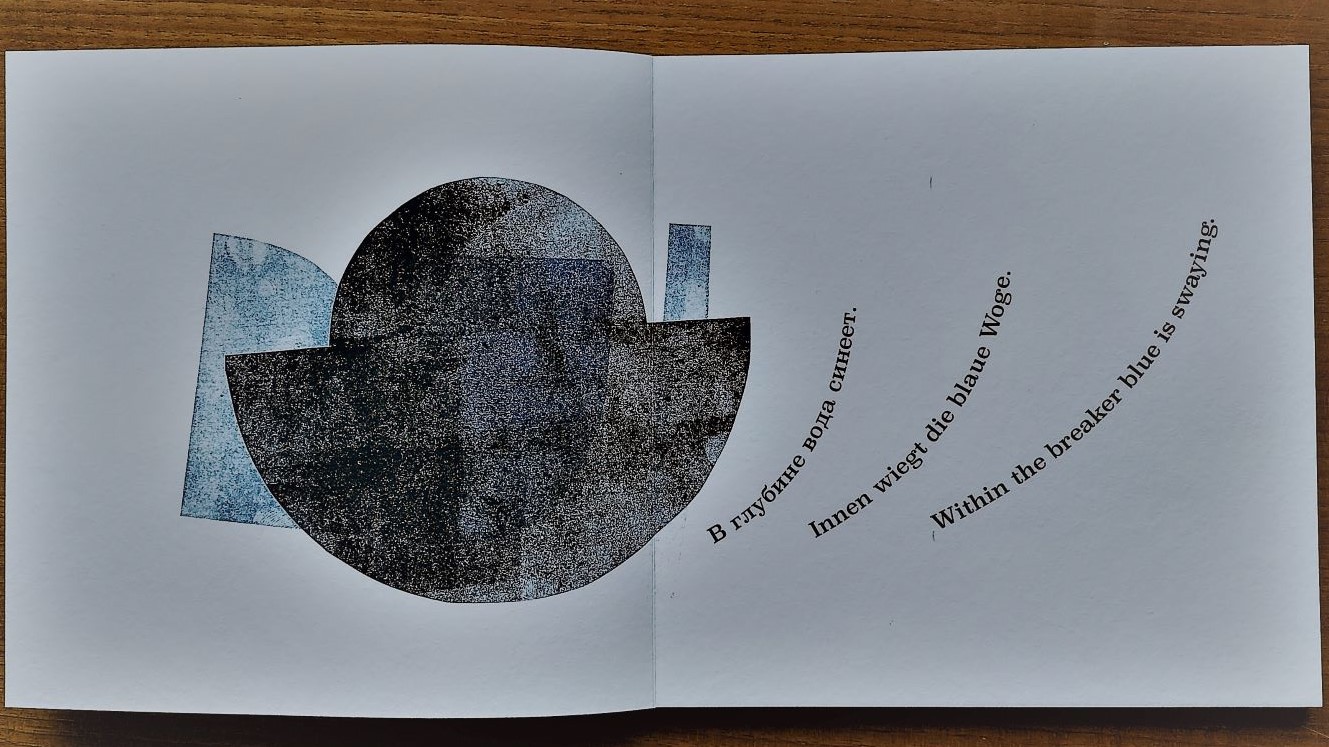
In June I was contacted by my friend Barrie Tullett. His wife Jantze had “an idea to illustrate a poem (or three) by Wassily Kandinsky, from his book Klänge, which was published in 1913”. I was asked to translate the eight-line poem from the German, which I did, and recently they sent me a copy of the finished article, a book featuring one line of the poem (in Russian, German and English), with illustrations, on each page-spread. You can read more about it here.
Apparently Kandinsky originally wrote the texts in Russian, but then found a German publisher, so translated them himself. The idea was that after the German edition, they’d make a Russian one – but the German edition didn’t sell, so it never happened.
This is the complete eight-line poem in German, followed by my translation (in which I’ve prioritised the rhythm, and to a lesser extent the rhymes):
Innen wiegt die blaue Woge. Das zerrissne rote Tuch Rote Fetzen. Blaue Wellen. Das verschlossne alte Buch. Schauen schweigend in die Ferne. Dunkles Irren in den Wald. Tiefer werden blaue Wellen. Rotes Tuch versinkt nun bald.
Within the breaker blue is swaying. Cloth that’s red is ripped and torn. Red is shredded. Blue is wavey. Padlocked shut the book that’s old. Silent look into the distance. Err in darkness in the woods. Deeper darkens blue that’s wavey. Cloth that’s red will sink down soon.
You can see the pages of the original if you search for ‘Klänge’ here.
There is a recent edition of the woodcuts available on issuu.
And if you want a bit of background, there is always wikipedia.
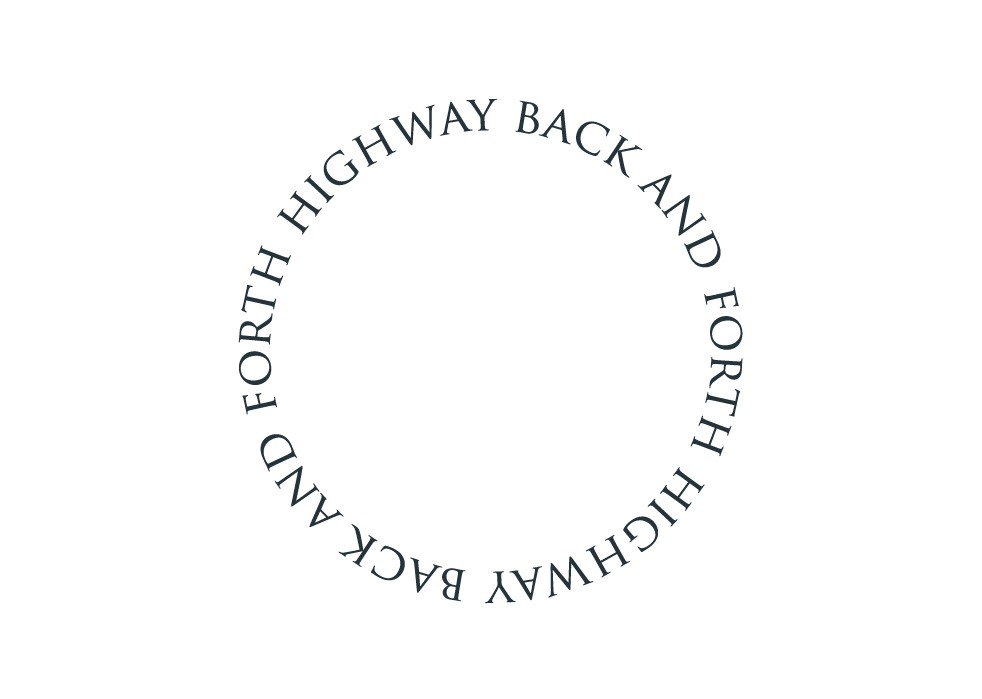
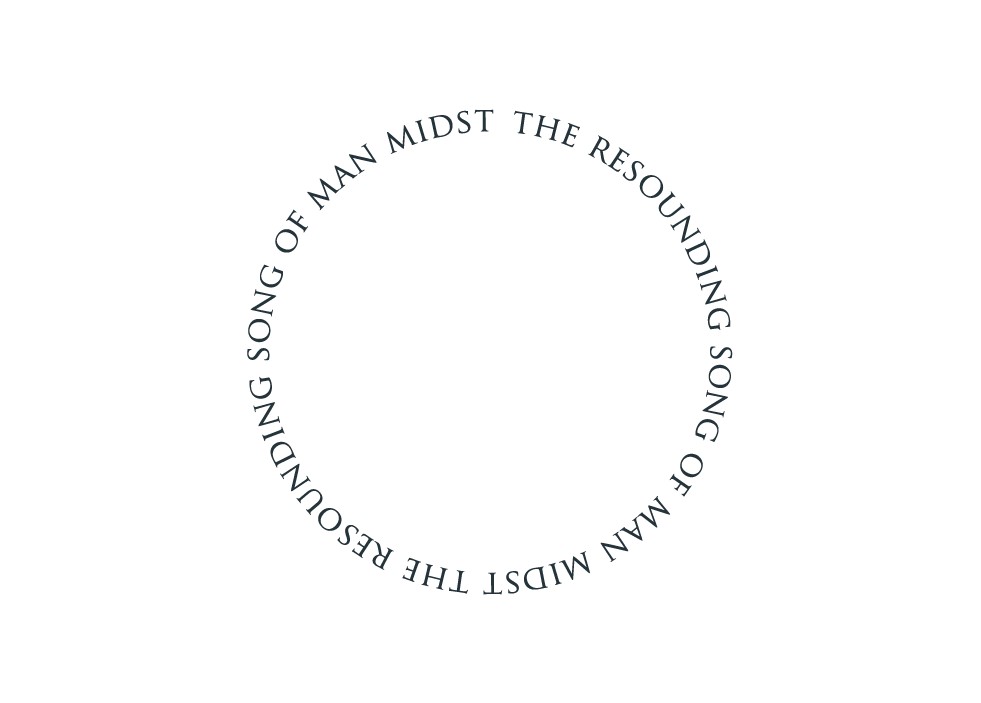
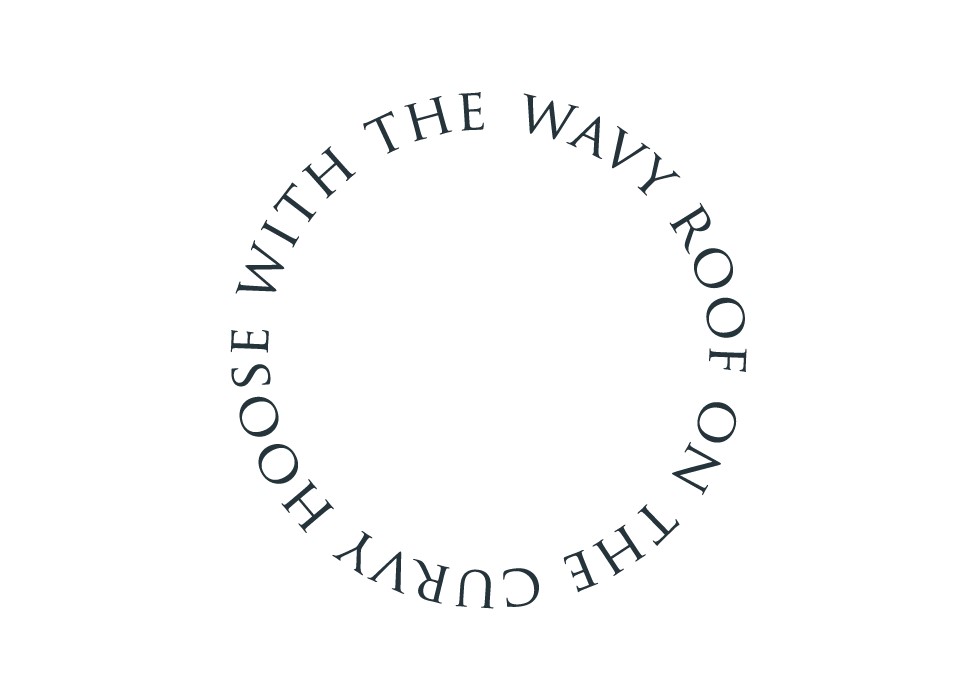
The recent post on Circle Poems reminded me of a project I did a few years ago in Inverness. The Teachers Resource includes a photograph of a circle poem carved into sandstone, and installed by the River Ness. The poem came from some circle poem workshops I led for local residents, and some of their other poems were published as postcards. For some reason I didn’t blog about them at the time, but I managed to find the files and present them here.
I was asked to write a Teachers Resource for this year’s National Poetry Day, on the theme of ‘Environment’. I decided to focus on Circle Poems, a form I’ve used occasionally over the years, as a way of thinking about sustainability and recycling, as well as highlighting the temporal cycles we all live within – days, weeks, years, the four seasons, the waxing and waning moon.
I’ve included some examples of my own circle poems within it, and I’ll add a couple more here.
The ‘moon’ circle was published in Quait, issue 2 (2015).
I’ve been reading poems into my phone and my laptop quite often over the past few months.
Earlier this year The Academy of American Poets published ‘Home’ as part of the poem-a-day series. It’s a portrait of my father in his last months of his life, and you can read and listen to it here.
Then there are three poems in edition #10 of iamb: poetry seen and heard – ‘Hands’, ‘Rodney’ and ‘Ward’. I’m in good company – Jay Whittaker, Penelope Shuttle and others.
Last year I was commissioned by Edinburgh’s Push the Boat Out poetry festival to write poems about central Edinburgh for A Poetry Mile. I wrote three new poems, and they also accepted a couple of older poems, ‘Close’ and ‘William ‘Deacon’ Brodie’.
You can find recordings of me reading them on the Poetry Map section of the website -again in good company, including Alan Spence and JL Williams – but you do have to hunt for the poems, as even if you know the city well they’re not quite where they should be.
To listen to ‘Jacob’s Ladder’, click the marker on Calton Road just west of the junction with New Street.
‘Close’ is the marker on the High Street by Filling Station.
The marker for ‘Greyfriars Bobby’ is inside Greyfriars Kirkyard.
Rather than inside his eponymous tavern, ‘William ‘Deacon’ Brodie’ can be found loitering at New College, between Mound Place and Castlehill.
‘The Ballad of William Knox’ should be in the New Calton Burial Ground, or New Calton Cemetery as it’s called on the map, which runs from Regent Road down to Calton Road. Knox’s needle stands roughly between Archibald Elliott and Robert Stevenson, but there’s no marker in the vicinity. If you manage to locate him, let me know.













 Poems on the page and in the world