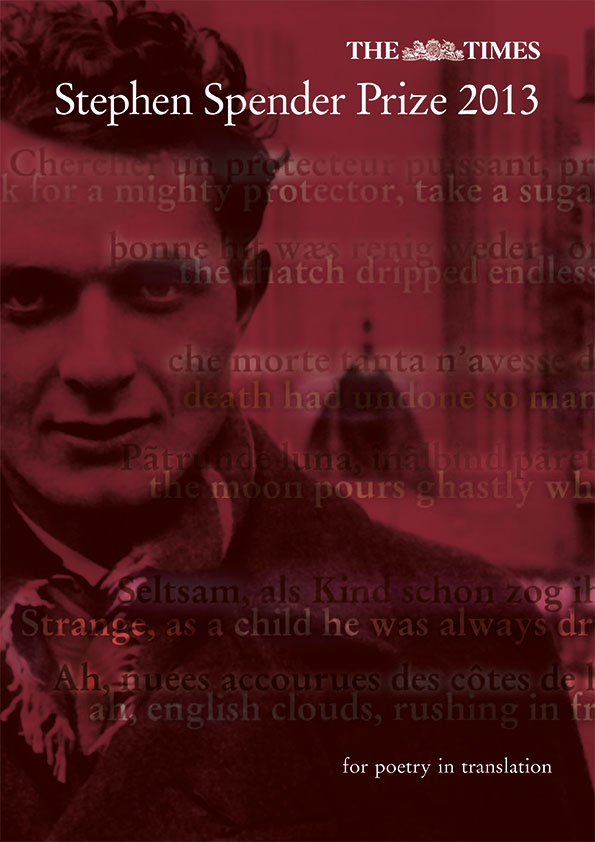
‘Bullbars’, my translation of Thomas Rosenlöcher’s poem ‘Stoßstangentiere’, has just been commended in The Times Stephen Spender Prize 2013, for poetry in translation. You can read both the orginal poem and the translation, plus a short commentary, here.
Category Archives: Translations
Gavin Douglas in London
“And, seand Virgill on ane lettrune stand,
To writ anone I hynt ane pene in hand”
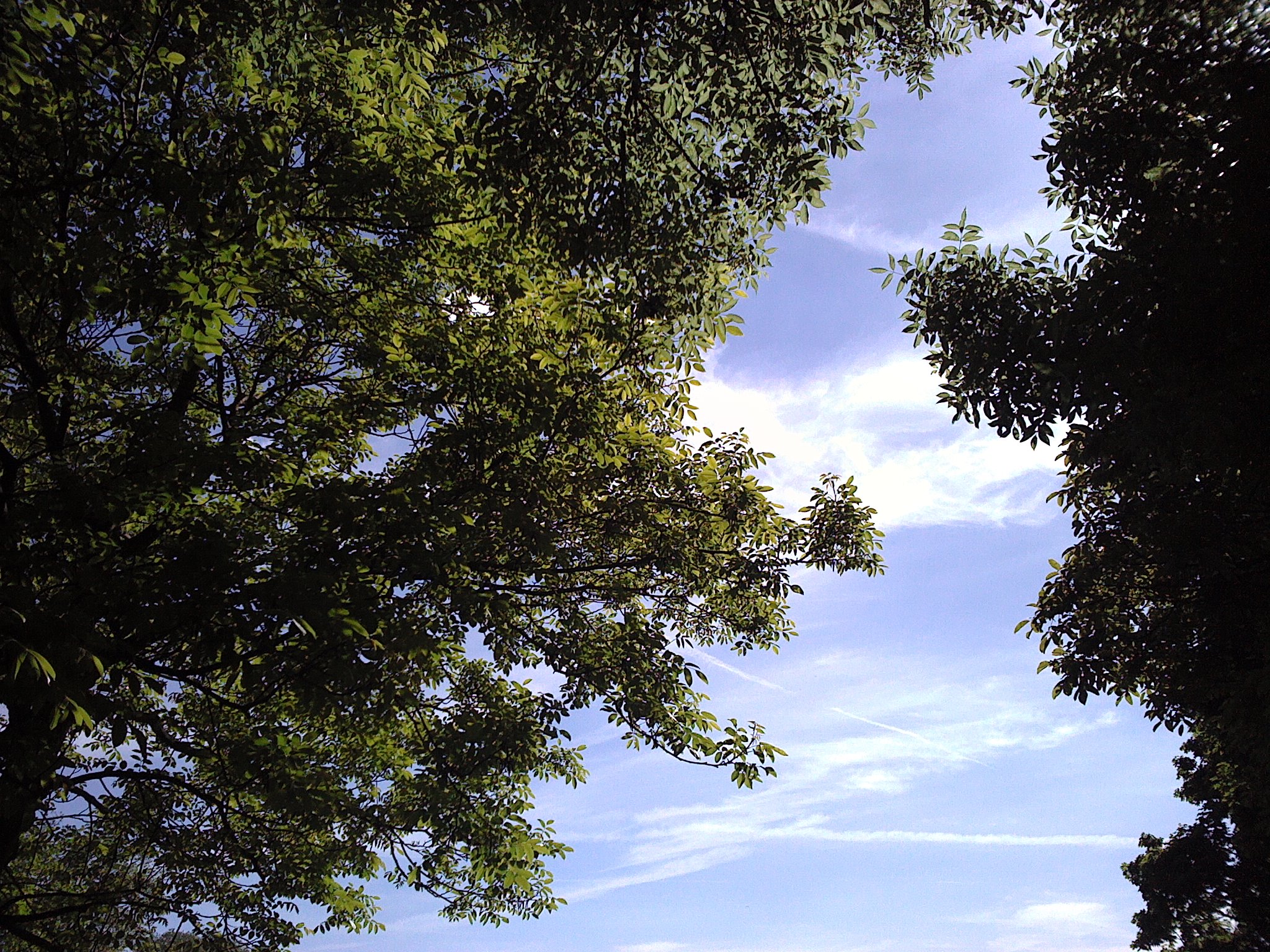
I was in London earlier this month, running a workshop for the Translators’ Association called “Translating the Translator: Gavin Douglas’s Eneados“, when five of us attempted versions of Gavin Douglas into contemporary English.
Gavin Douglas (1474–1522) was the Provost of St Giles Cathedral in Edinburgh when, exactly five hundred years ago, in June 1513, he completed Eneados, his translation of Virgil’s Aeneid into Middle Scots. He also wrote an original Prologue for each of Virgil’s twelve books – and for an additional thirteenth book, written by Mapheus Vegius in 1428. The prologues describe with immediacy Scottish landscapes and weather – a May morning, a June evening, a chill winter.
Below is a several-handed translation, of an extract (lines 51–77, & 85–88) from ‘The Proloug of the Threttene Buik of Eneados Ekit to Virgill be Mapheus Vegius’; on a bucolic June evening, Douglas encounters Mapheus. The translators are Felicity McNab (FM), Nicky Harman (NH), Susan Mackervoy (SM), and myself (KC); the original follows.
And soon every creature that came into the bay or field, flood, forest, earth or air or in the scrubland or wooded copse, lakes, marshes or their pools, lies settled down still, to sleep and rest in darkness. Also the small birds sat on their nests, with little midges and irksome fleas, hard-working moths and busy bees, both wild and tame beasts and every other great and small thing, except the merry nightingale Philomene who sat on the thorn tree singing from the spleen. (FMcN)
How I longed to hear those notes cascade
And wandered till I found a tree-filled glade
I take a seat beneath a glossy bay
So my thoughts too can wander as they may. (NH)
I could see bright stars – the Pole Star, the Bear –
a crescent moon (quite dim in the summer skies)
and Venus and Jupiter (what a pair!)
beaming down. So, lying there – what with the
calm night, what with the birdsong – pretty soon
I nodded off.
And saw an old man standing there,
under my tree. I asked him why he’d come,
and if he harboured ill intent towards me. (SM)
His figure-hugging outfit, trim and neat,
was long enough to cover up his feet
while on his brow the laurel-wreath he wore
put me in mind of ye olde bards of yore. (KC)
And schortlie, every thing that dois repare
In firth or feyld, flude, forest, erth or ayr,
Or in the scroggis or the buskis ronk,
Lakis, marrasis, or thir pulis donk,
Astabillit liggis still to slepe and restis;
Be the small birdis syttand on thar nestis,
The litill midgeis, and the urusum fleyis,
Laboryus emmotis, and the byssy beyis ;
Als weill the wild as the taym bestiall,
And every othir thingis gret and small,
Owtak the mery nychtgaill Philomene,
That on the thorn sat syngand fra the splene.
Quhais myrthfull notis langing for to heyr,
Ontill a garth vndir a greyn lawrer
I walk onon, and in a sege down sat,
Now musand apon this and now on that.
I se the Poill, and eik the Ursis brycht,
And hornyt Lucyne castand bot dym lycht,
Becaus the symmyr skyis schayn sa cleyr ;
Goldin Venus, the mastres of the yeir,
And gentill Jove, with hir participate,
Thar bewtuus bemis sched in blyth estayt :
That schortly, thar as I was lenyt doun,
For nychtis silens, and this byrdis sovn,
On sleip I slaid ; quhar sone I saw appeyr
Ane agit man, and said: quhat dois thou heyr
Undir my tre, and willist me na gude ?
(…)
Syde was his habyt, round, and closing meyt,
That strekit to the grund doun our his feyt ;
And on his hed of lawrer tre a croune,
Lyke to sum poet of the auld fassoune.

And here are a few lines describing a storm at sea in the words of Virgil, Douglas and (based on Douglas’s second stanza) Robert Chandler.
Talia iactanti stridens Aquilone procella
velum adversa ferit, fluctusque ad sidera tollit.
Franguntur remi; tum prora avertit, et undis
dat latus; insequitur cumulo praeruptus aquae mons.
Hi summo in fluctu pendent; his unda dehiscens
terram inter fluctus aperit; furit aestus harenis.
Virgil Aeneis, I, ll.102–7
Ane blusterand bub, out fra the northt braying,
Cane our the foirschip in the bak sail dyng
And to the sternys up the fluide can cast;
The ayris, hachis, and the takillis brast,
The schippis stevyn frawart hir went can writhe
And turnit hir braid syide to the wallis swithe.
Heich as ane hill the jaw of watter brak
And in ane help come on thame with ane swak.
Sum hesit hoverand on the wallis hycht
And sum the sownschand see so law gart lycht
Thame semit the erd oppinnit amyd the flude;
The stowr wp bullerit sand as it war wuid.
Gavin Douglas, Eneados, I.iii, ll.14–25
Hill high hung the well of water,
then dropped down on the ships with one swift blow.
Wave-winged, one boat stood hovering in the sky
while other boats were drawn down to such depths
it seemed earth’s jaws had sucked all sea away
and left just one wild swirl of sand and spray. (RC)
According to Ezra Pound, “Gavin Douglas was a great poet… I am inclined to think that he gets more poetry out of Virgil than any other translator”.
The 1874 edition of Douglas’s Eneados is available online here. This link is to volume 2 of a 4-volume edition of his ‘Poetical Works’ published in 1874, which contains Books I–V of Eneados – if you click on the ‘Author’ text – ‘Gawin Douglas , Maffeo Vegio, Virgil’ you can find volumes 3 and 4, which contain the rest of the work.
A new edition was published recently: The Aeneid (1513), Volumes I-II / Gavin Douglas ; edited by Gordon Kendal (London : Modern Humanities Research Association, 2011).

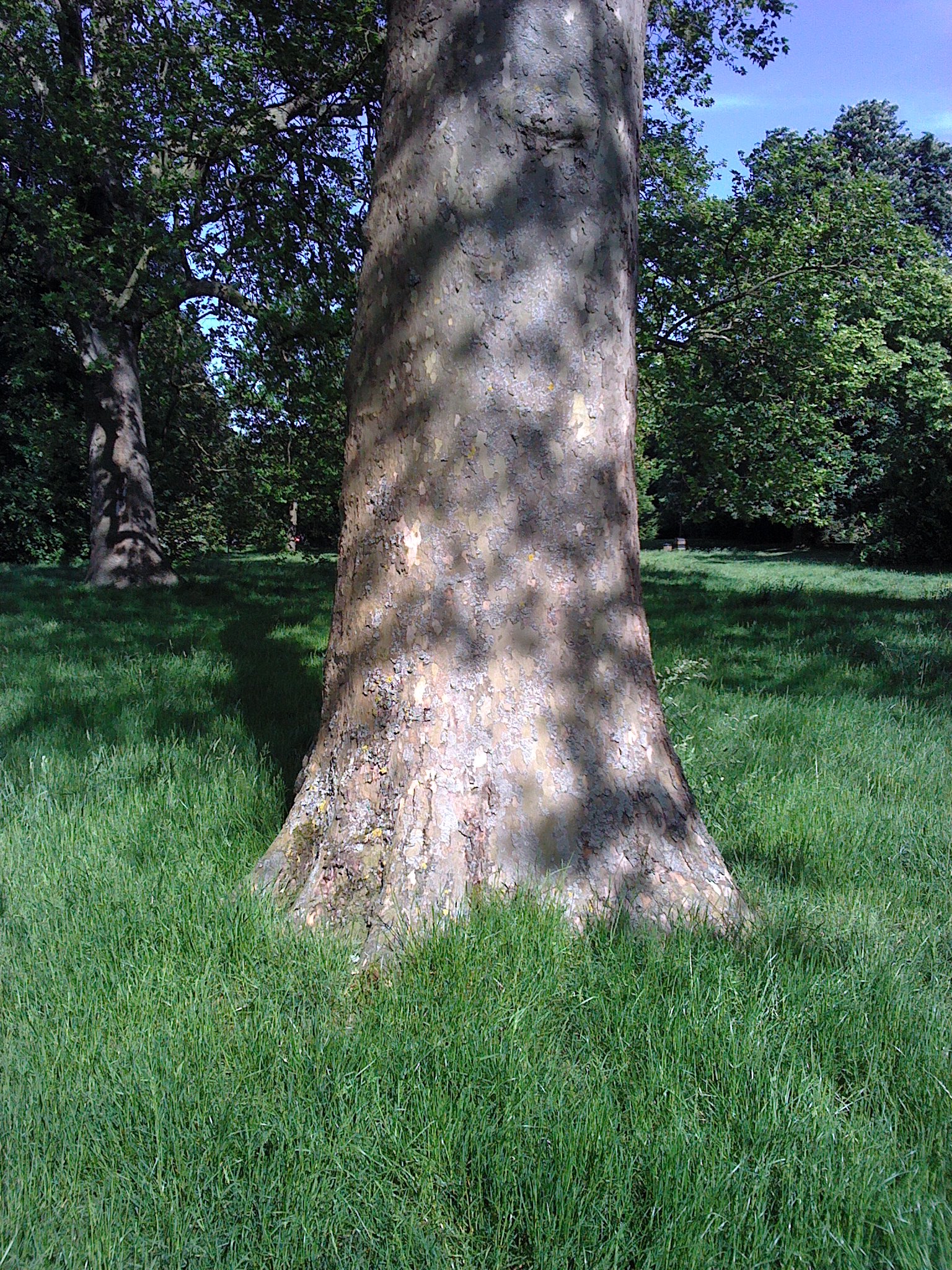
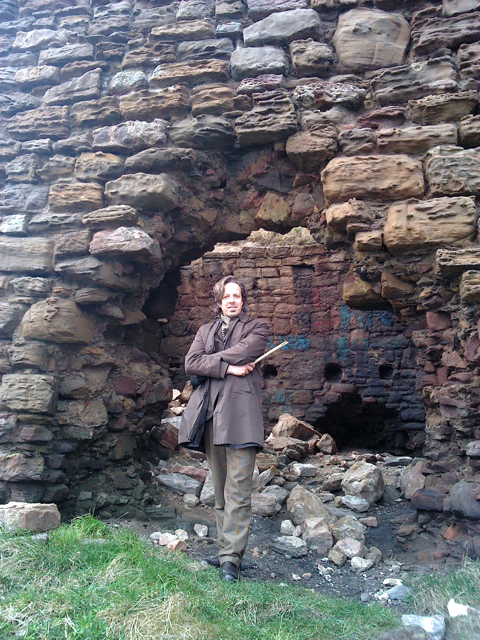
The photographs were taken on 4 June in Kensington Gardens, except the seascape which shows the Firth of Forth from Kinghorn, last April.
Arne Rautenberg
The German poet and artist Arne Rautenberg visited me in Edinburgh recently. We read together at the Goethe Institut Glasgow, and at the Edinburgh Bookshop – along with Peter Manson, presenting his fine Mallarmé translations – so thanks to everyone who came on those evenings.
I made some new translations for the readings, of poems from Arne’s most recent book, Mundfauler Staub (Taciturn Dust). This is a translation of ‘abspann’.
Credits
the man: my grandfather
the woman: my grandmother
the child: my mother
war
the man: my father
the woman: my mother
the child: me
reconstruction
the man: me
the woman: my wife
the child: my daughter
happiness

Arne and I, accompanied by Angus Reid, also walked part of the Fife Coastal Path, between Kirkcaldy and Aberdour.


Autumn leaves

Autumn seems to be the time translations appear – a smaller crop than last year’s, but there are two publications to mention. No Man’s Land, the online journal for German writing in English, has published my translations of Arne Rautenberg – several haiku, and ‘gingko leaf fairy tale’, about coming across a pressed leaf in a copy of Grimm’s Fairy Tales. Those poems, and many more, are included in Snapdragon.
The recent issue (3:18) of Modern Poetry in Translation is on the theme of Transitions. It’s the last to be edited by David and Helen Constantine, who share this issue with their successor, Sasha Dugdale. I’ll be sad to see them go – they have consistently published work of interest from a generous range of poets and translators, and have been very supportive of my work, taking versions of Thomas Brasch, Thomas Rosenlöcher and Heiner Müller. This issue features translations of three poems by Heinz Czechowski (1935–2009), a writer I’ve just discovered this year, and who skillfully interweaves his private and public selves, the historical and the contemporary, the literary and the mundane. You can read one of the poems here.

Beside them are other translations of Czechowski by Ian Hilton, a former professor of Germany at Bangor University, who has known his work for much longer than I have, and who many years ago met the poet on the eastern side of the Berlin Wall.
Snapdragon

Snapdragon is a newly published collection of my translations of poems by the German writer Arne Rautenberg, made over the past decade. Arne lives in Kiel, where I’ve visited him on several occasions, and he has been to Scotland twice, in 2003 and 2007.

As all books are, it is a collaborative effort. I was introduced to Arne by Alec Finlay, who has written the cover blurb above; Stewart Conn heard Arne and me read in Edinburgh and 2003, and his poem ‘Translations’ describing that occasion is included; the book is designed and laid out by Barrie Tullett, with whom I’ve worked on many projects over the years; and the cover was designed by Jantze Tullett, Barrie’s wife.
The ladybird
On the hibiscus flower
In the ashtray
(Haiku)
The poems are fomally varied: monologues, lists and fairy tales – haiku, double haiku and football haiku – one-word poems, nudges and inversions. They are presented as parallel text, German on the left and English on the right.
Between turbulence
And the monstrous rivets
A beckoning home.
His gaze deep in the
Rear wheel of a juggernaut
Thundering on by.
(from ‘Kiel After Rain’)
I mention my choice of title in the Afterword: “I settled on Snapdragon as it seemed to sum up much of Arne’s work: a flower-name, so a word that’s rooted in the real, something delicate and beautiful; yet also with outlandish and unsettling associations.”
The formal details are:
published by The Caseroom Press, 180 x 125 mm, 64 pages, ISBN 978-1-905821-21-1, cover price £5.00.
A review by Lesley Harrison has appeared in Northwords Now, no.22 (if you download the pdf, it’s on p.22). “I don’t speak German, but the English versions conjured very clearly a city-world still recovering from war, and Cockburn’s clipped, wry translations seem to be a perfect window to it, both clever and compelling.”


The Fourth Wound in Fras 16
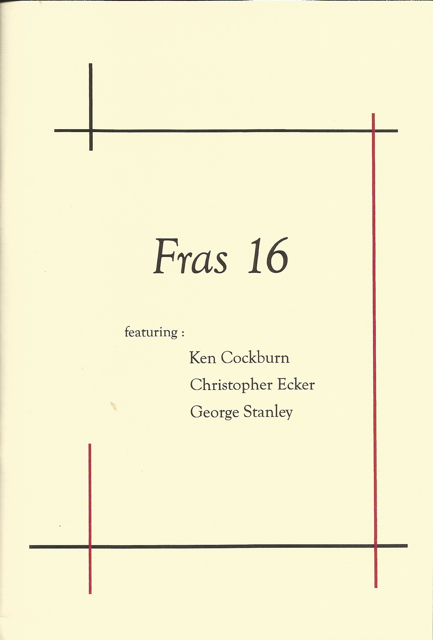
My translation of the opening of Christopher Ecker‘s compelling novella The Fourth Wound (Die vierte Kränkung is the original German title) has just appeared in the magazine Fras, no. 16.
Set in Brittany during World War Two, it tells the unsettling tale of a non-combattant German living there in a state of increasing uncertainty – emotional, psychological, social and moral – and of the shadowy local figures he must reluctantly engage with. Its thriller elements remind me of John Buchan, and it draws eloquently on Breton myth, history and landscape.
Christopher – who I met through the poet Arne Rautenberg, who I’ve also translated – lives in Kiel. His novel Madonna won the Book of the Year (Rheinland-Pflaz) in 2007, and his new novel, Fahlmann, has just been published.
Copies of Fras 16 are available for £4 each from FRAS Publications, 10 Croft Place, Dunning PH2 0SB, Scotland, UK.



From the German
I’ve had translations of German-language poems published in several magazines this autumn.
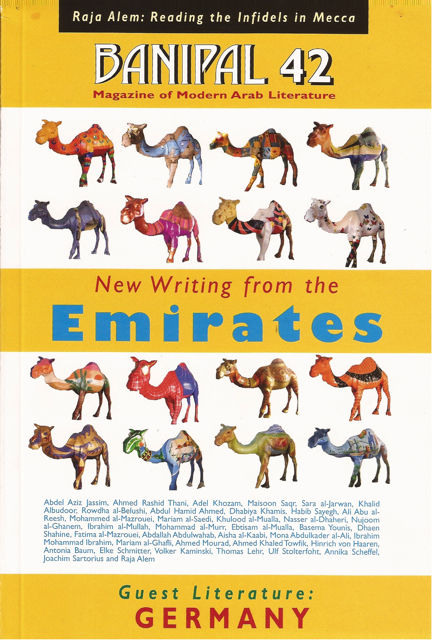
Banipal describes itself as a ‘magazine of modern Arabic literature’. Some years ago I translated for it poems by Adel Karasholi, a Syrian Kurd long exiled in Germany, who now writes in German. The magazine has now started to feature a ‘Guest Literature’ in each issue, and Banipal 42 features Germany. The editors asked me to translate six poems by Ulf Stolterfoht. He’s not an easy writer to translate – he himself has translated J.H. Prynne and Tom Raworth into German, and his work is similar to theirs in its slipperiness. I approached task with some trepidation, but was helped by Ulf’s patient responses to my questions, and I came to enjoy their unexpected twists and turns, their extravagant playfulness. There’s a good interview with him (in English) here.

Modern Poetry in Translation has published a poem each by Thomas Brasch, Thomas Rosenlöcher and Heiner Müller. It’s taken my translations of poems by Brasch and Rosenlöcher previously (issues 3/6 and 3/11 respectively). Heiner Müller I knew of as a playwright, until I discovered a volume of his poems when visiting Berlin in 2009. ’Napoleon at Wagram’ uses the dialectical method – like musical counterpoint – two very different narratives, about Napoleon and Lenin, are juxtaposed, and the reader is invited to make the connection.

Poems by Christine Marendon are in Feathers & Lime (2007); earlier this year I began working on her poems again, and four have just been published in Shearsman 89/90, and another two in the on-line journal no man’s land. I like the enigmatic imagery of her work: tantalising hints and glimpses of characters, situations and narratives.

ctrl+alt+del
ctrl+alt+del describes itself as ‘a contemporary poetry foldable/printable ezine’. You can find it here. You print it out on a single sheet of A4 and there is a natty video that shows you hold to fold it. Issue 1 has work by Peter Hughes, whose pamphlet ‘Paul Klee’s Diary’ I enjoyed back in the mid-90s. Issue 3 has some mesostics by myself, and ‘twelve switches’, a translation I made of a poem by Arne Rautenberg (though as you may notice I can’t always count accurately). I like what CAD is doing visually – it reminds me of the late Duncan Glen’s magazine ZED 2 O, with its zany but thoughtful design.
 Poems on the page and in the world